

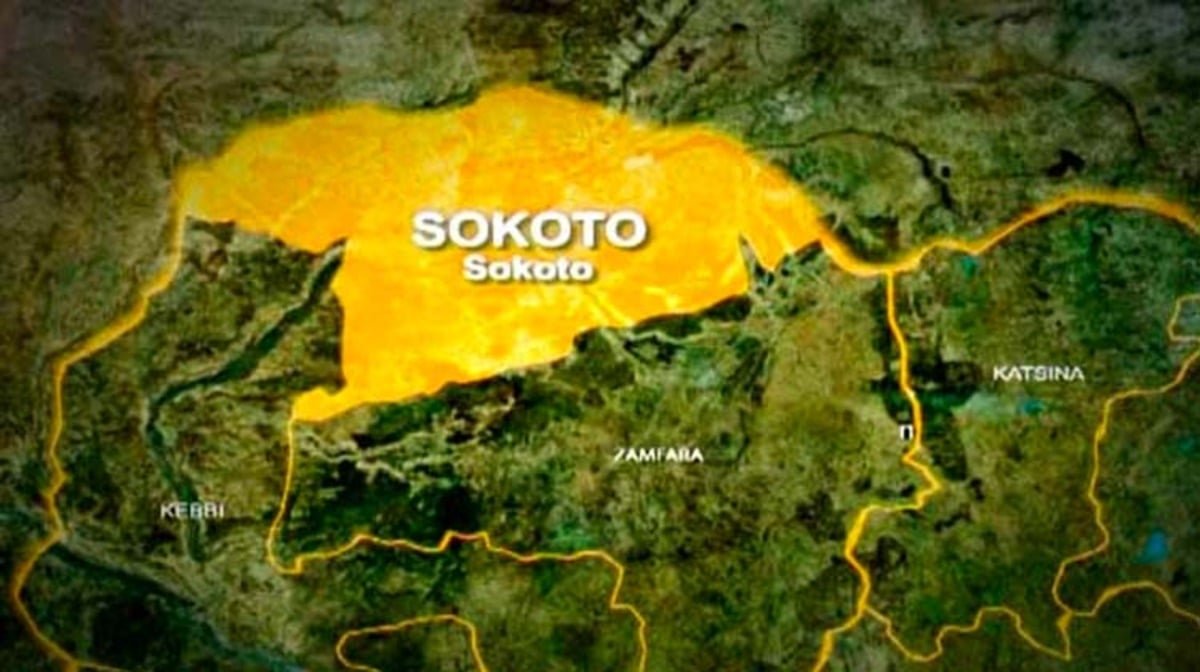
The Sokoto State Government has strengthened disease surveillance and emergency preparedness against the possible spread of Ebola Virus Disease (EVD), assuring residents that the state remains classified as low-risk by the Nigeria Centre for Disease Control and Prevention (NCDC).
The Commissioner for Health, Dr Faruk Umar Abubakar Wurno, gave the assurance on Tuesday after a stakeholders’ meeting in Sokoto to assess the state’s preparedness and strengthen measures for the early detection and containment of suspected Ebola cases.
Wurno said epidemiologists and disease surveillance personnel had been placed on alert, while emergency response mechanisms had been strengthened to ensure prompt intervention if a suspected case was reported.
“I want to inform you that Sokoto is a low-risk state, as declared by the NCDC. There is no cause for alarm,” he said.
He, however, stressed the need for continued vigilance, noting that Sokoto’s geographical location and international entry points required constant monitoring to guard against possible disease transmission.
ALSO READ: Ebola outbreak: NSCIA expresses concern, calls for vigilance
The commissioner identified the Illela international border and the state airport as key points requiring attention, although the airport currently handles domestic flights.
“We have a very good surveillance system, and our epidemiologists are also active. We have put all of them on alert so that, in case of any alert, we are able to switch into action,” he said.
According to him, the stakeholders’ meeting brought together officials responsible for disease surveillance, prevention, case management and public awareness to review existing arrangements and identify areas requiring further intervention.
He said the government was committed to maintaining adequate preparedness and ensuring that relevant health institutions could respond swiftly to any eventuality.
“The level of readiness is intact and ready for any eventuality,” Wurno added.
On isolation arrangements, the commissioner said the Infectious Disease Hospital (IDH) in Amanawa had been prepared to accommodate and manage suspected Ebola cases if necessary.
“Our Infectious Disease Hospital is ready. We have prepared it for isolation where there is need,” he said.
Wurno explained that the facility had been equipped with personal protective equipment (PPE) and other essential materials for infection prevention and control.
He added that the hospital’s Chief Medical Director attended the stakeholders’ meeting and briefed participants on its readiness to support the state’s emergency response.
Meanwhile, the commissioner said the diphtheria outbreak in Sokoto was showing signs of improvement, with fewer than 20 patients receiving treatment across three designated centres.
He identified the centres as Specialist Hospital Sokoto, with a 45-bed capacity; Amana, with 100 beds; and another facility with five beds.
According to him, each centre currently has fewer than 10 patients on admission, indicating a decline in the number of people requiring treatment.
“As it is, we have less than 20 patients on admission in all the three centres, and the case management is going very well, excellently,” he said.
The commissioner said the progress in managing diphtheria had encouraged the government to sustain its public health interventions while strengthening preparedness against other infectious diseases.
He urged residents to remain calm, rely on credible sources for health information and promptly report suspected cases to the appropriate authorities.
The state government said continuous surveillance, early detection and effective coordination among health agencies remained essential to preventing disease outbreaks and protecting residents.
WATCH TOP VIDEOS FROM NIGERIAN TRIBUNE TV