

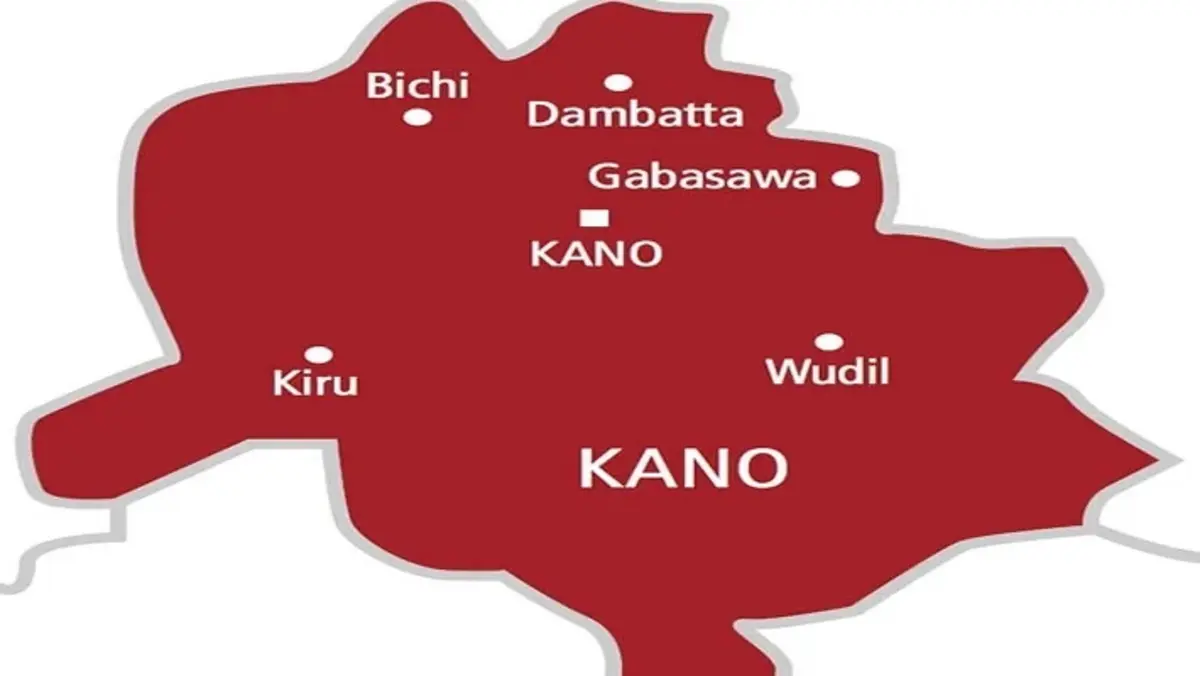
The Kano State Coordinator of the National Human Rights Commission (NHRC), Shehu Abdullahi, has identified drug abuse, forced marriages, domestic conflicts, and the activities of violent youth gangs as major drivers of the increasing cases of extrajudicial killings and violent crimes in Kano State.
Speaking during a review of the human rights situation in the state, Abdullahi said incidents of extrajudicial killings are no longer confined to encounters involving security agencies but are increasingly occurring within communities and households.
According to him, cases of violence resulting in loss of lives have become more frequent in homes, particularly among spouses and intimate partners. He attributed many such incidents to forced marriages and unresolved marital disputes.
Abdullahi explained that some young women are compelled into marriages against their wishes, creating long-term tensions that can escalate into violence if not properly addressed by families and community leaders.
The NHRC official also raised concerns over the growing menace of violent youth gangs, popularly known as “Daba,” describing their activities as a significant security challenge in parts of Kano State.
He linked the rise in gang-related violence to widespread drug abuse among young people, noting that many youths involved in criminal activities often engage in attacks, theft and other offences to sustain their addiction.
The commission, he said, has received and monitored several complaints involving spousal killings and other violent crimes, underscoring the need for proactive measures to tackle the root causes of such incidents.
Providing an overview of cases handled by the commission, Abdullahi disclosed that the Kano office recorded 452 complaints across various thematic areas during the review period.
Children’s rights violations accounted for the highest number, with 269 complaints, a trend he described as evidence of growing challenges affecting families and child welfare in the state.
ALSO READ: Kano: APC sweeps Dawakin Kudu/Warawa’s by-election
The commission also documented 39 cases of domestic violence involving both women and men, while 34 complaints related to economic, social and cultural rights.
In addition, the NHRC recorded 12 complaints concerning violations of the right to life and 10 cases involving allegations against state actors. Labour rights and entitlement-related matters, alongside other complaints, accounted for 88 cases.
Abdullahi identified poverty as a major factor behind child rights violations, explaining that many parents struggle to provide adequate food, shelter, healthcare and education for their children.
He further noted that rising divorce rates, family neglect and the gradual erosion of traditional communal values have worsened the situation, leaving many children vulnerable to abuse, abandonment and other forms of rights violations.
To address the challenges, he said the commission has intensified human rights awareness campaigns across Kano State and trained security agencies, civil society organisations and community groups on human rights principles and reporting mechanisms.
Abdullahi added that the commission has expanded access to its services through digital platforms, enabling residents, including those in remote communities, to report cases of human rights abuses for prompt intervention and referral.
Meanwhile, the Executive Secretary of the National Human Rights Commission, Tony Ojukwu, and other stakeholders have expressed concern over rising cases of killings and insecurity across the country, calling on government authorities to adopt sustainable measures to curb the trend.
Ojukwu warned that persistent violence creates fear, fuels instability and undermines democratic governance, stressing the need for coordinated efforts to protect lives and strengthen human rights protections nationwide.
WATCH TOP VIDEOS FROM NIGERIAN TRIBUNE TV