

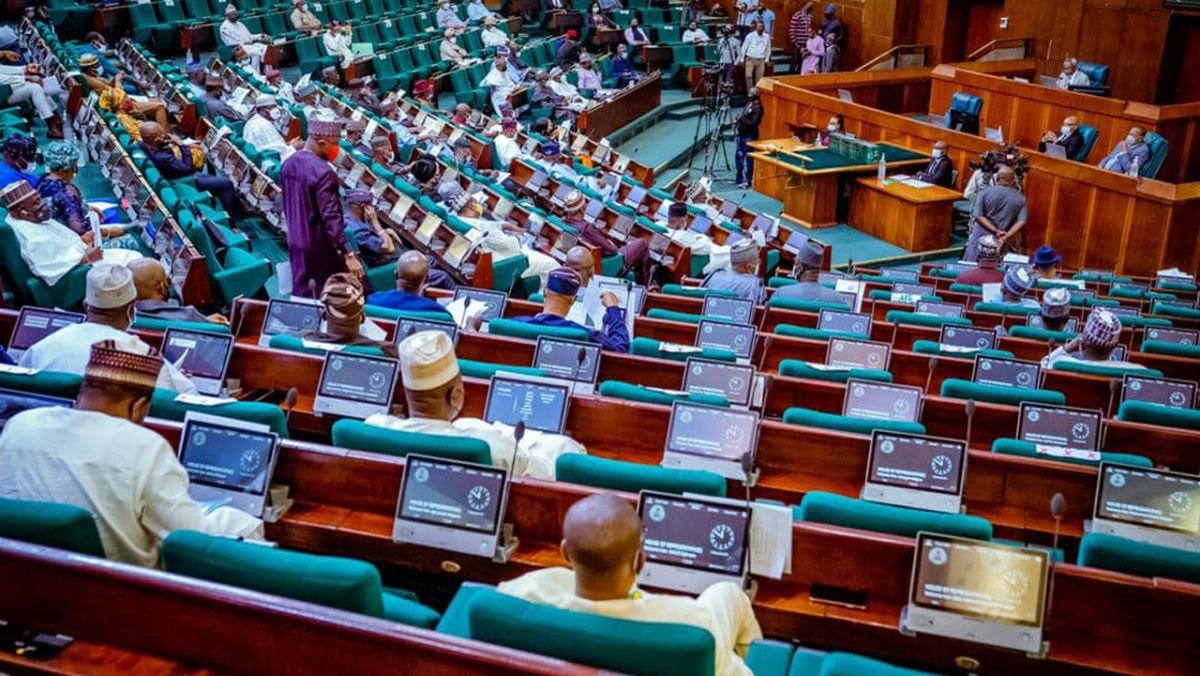
The House of Representatives on Thursday called for a review of the implementation of the Nigerian Communications Commission’s (NCC) mobile phone device verification requirements over concerns that the policy could increase handset prices and restrict access to affordable mobile phones.
The resolution was passed following the adoption of a motion sponsored by Hon. Sani Wakili, who urged the Commission to strengthen enforcement of Type Approval and device verification requirements for mobile phones and other SIM-enabled devices without imposing unnecessary burdens on legitimate businesses and consumers.
In his lead debate, Wakili explained that the verification framework operates through the Device Management System (DMS) and the Central Equipment Identity Register (CEIR), which facilitate the identification and verification of mobile devices through their International Mobile Equipment Identity (IMEI) numbers.
The lawmaker noted that the enhanced verification framework, which took effect on 7 October 2026, introduced compliance requirements for newly imported devices. He warned that the additional obligations could increase operating costs for importers and retailers, potentially leading to higher mobile phone prices for consumers.
He further cautioned that technical errors, database mismatches and limitations in the NCC’s scanning and verification systems could result in legitimate new and second-hand mobile phones being wrongly rejected or blocked, creating difficulties for lawful users and businesses.
According to him, while the policy is intended to combat counterfeit, cloned and stolen devices, its implementation must not undermine legitimate trade or deny Nigerians access to affordable communication devices.
Wakili also expressed concern that the cost and complexity of compliance could disproportionately affect small-scale importers and retailers, potentially disrupting their businesses and limiting access to mobile phones for low-income and less privileged Nigerians who depend on them for communication, education and commercial activities.
To address these concerns, the House urged the NCC to review the implementation of the device verification framework in consultation with relevant stakeholders, with a view to simplifying compliance procedures, reducing associated costs and ensuring that the policy achieves its objectives without imposing avoidable economic hardship.
The lawmakers further called on the Commission to establish a fair, transparent and accessible verification process for used and second-hand mobile phones to prevent legitimate devices from being unfairly rejected or blocked.
The House subsequently mandated its joint Committees on Communications and Commerce to engage the NCC and relevant stakeholders and report back within four weeks for further legislative action.
In addition, the House mandated its Committee on Legislative Compliance to ensure the implementation of the resolution, signalling the lawmakers’ determination to balance the fight against counterfeit and stolen devices with consumer protection, affordable access to mobile phones and the sustainability of legitimate businesses.
WATCH TOP VIDEOS FROM NIGERIAN TRIBUNE TV