

The Cross River State Government has called for a reduction in the cost of Zipline’s drone-enabled medical logistics services, even as it acknowledged the significant impact of the initiative in delivering vaccines and other essential health commodities to hard-to-reach communities across the state.
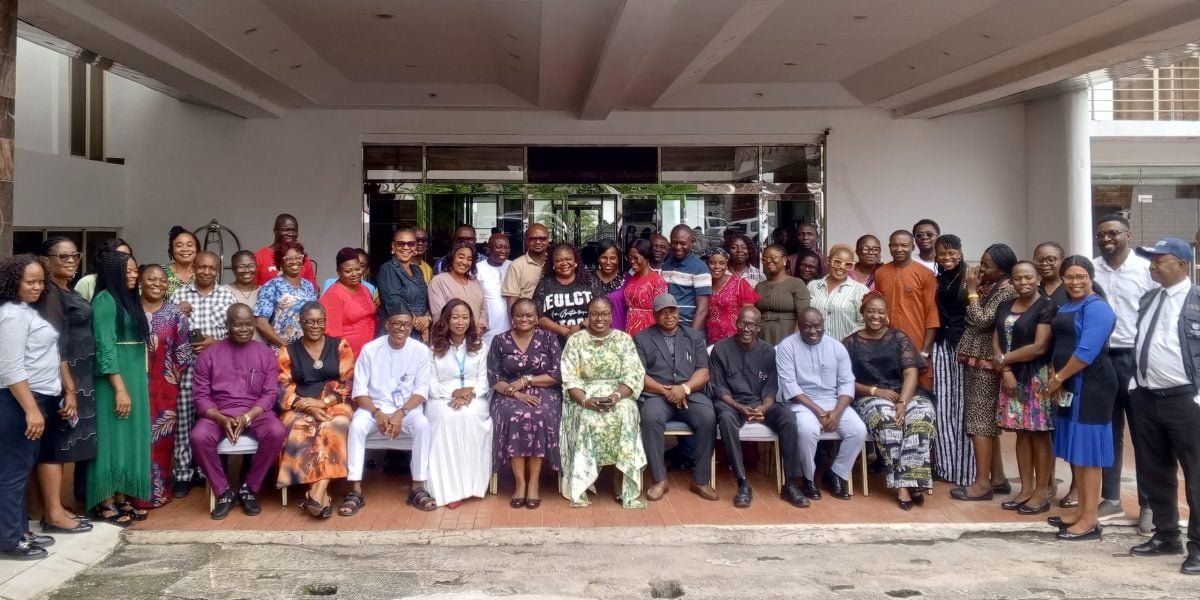
The Director-General of the Cross River State Primary Healthcare Development Agency (CRSPHCDA), Dr Vivian Mesembe Otu, made the call at the close-out ceremony of the Zipline Zero-Dose Intensification Project in Calabar.
Otu said although the intervention had significantly improved access to vaccines in difficult-to-reach communities, its cost remained a major concern for the state government and other stakeholders.
According to her, the state was currently in discussions with Zipline and its partners, including Gavi, Pfizer and UPS, on how to reduce the cost of the service to make it more affordable and sustainable.
She said, “Zipline is very good, but in Cross River State and all over, we keep telling them that the project is good, but it is very, very expensive.”
The CRSPHCDA boss explained that the current Zipline hub serves nine local government areas, particularly communities in the central and northern parts of the state, while plans were underway to establish a second hub to cover more areas.
She, however, said the proposed expansion would depend largely on an agreement on the cost of the service.
“We need to settle on the cost first, before we think about creating another hub that will cover the remaining part of Cross River State,” she said.
Otu said the Zero-Dose Intensification Project was designed to identify and immunise children who had not received essential vaccines, particularly those living in riverine settlements and other communities where poor roads and difficult terrain had made conventional vaccine delivery challenging.
She explained that a zero-dose child was one who had not received the first dose of the pentavalent vaccine or other routine immunisation antigens.
According to her, Zipline’s drone delivery system enabled vaccines to be transported directly to health facilities and communities that were previously difficult for health workers to reach.
She said the project engaged more than 160 teams comprising vaccinators, recorders and mobilisers, who were trained and deployed across the nine participating local government areas.
Otu added that the intervention had also gone beyond vaccination by facilitating the delivery of nutrition commodities and other healthcare services to vulnerable children in remote communities.
“Some of these children are not just poorly vaccinated; they also have other challenges like malnutrition and lack of deworming. What Zipline does is that when we get these children, we give them all the packages that they have missed,” she said.
The CRSPHCDA boss said the intervention had contributed to efforts to reduce the number of zero-dose children and improve the health of under-five children in the state.
Also speaking, Zipline Commercial Director, Hanatu Adeboyega, said the company had been operating in Cross River since 2023 and had delivered more than 13 million vaccines and other medical commodities through its logistics system.
Adeboyega said the company was interested in sustaining and expanding its partnership with the state government, noting that its services also covered essential medicines, storage, logistics and data collection.
She said the company had witnessed the difficulty of reaching some communities in Cross River because of poor roads, flooded riverbanks and challenging terrain.
According to her, the ability of Zipline drones to deliver medical commodities to such communities had made a significant difference in healthcare access.
Adeboyega said Zipline was also operating similar services in Kaduna and Bayelsa states.
The State Coordinator of the National Primary Health Care Development Agency (NPHCDA), Mr Christian Okechukwu, described the Zipline intervention as a major support to government efforts to reach zero-dose children.
Okechukwu, who represented the Executive Director of the agency, Professor Muyi Aina, said many zero-dose children lived in remote communities where conventional transportation systems often failed to deliver vaccines on time.
He said the drone system had helped to bridge the gap by transporting vaccines to locations that health workers found difficult to access by road or water, stressing that immunisation remained critical to preventing vaccine-preventable diseases and protecting children in vulnerable communities.
A representative of the Cross River State Ministry of Health, Mrs Otu Mary, also commended the initiative, describing the state’s participation in the programme as a welcome development.
Mary, the Director of Administration in the ministry, said the experience had demonstrated the potential of technology to improve healthcare delivery, while urging that more local government areas be brought into the programme.
Similarly, participants and stakeholders said the intervention had transformed vaccine delivery in hard-to-reach communities, where health facilities previously struggled to obtain vaccines regularly.
They added that the programme had also strengthened the capacity of health workers and improved community participation in immunisation activities.
The stakeholders called for sustained collaboration between the state government, Zipline and development partners to consolidate the gains recorded in reaching zero-dose children and other vulnerable populations in hard-to-reach communities.
WATCH TOP VIDEOS FROM NIGERIAN TRIBUNE TV