

Schools bring hundreds of students and staff together in shared spaces every day. With so many people touching the same surfaces, germs can spread quickly, especially during cold and flu season. Although respiratory infections often spread through the air, contaminated surfaces can also contribute to certain illnesses. Identifying high-touch areas and maintaining consistent hygiene practices can help schools reduce exposure and create healthier learning environments.
Classroom Desks And Shared Supplies
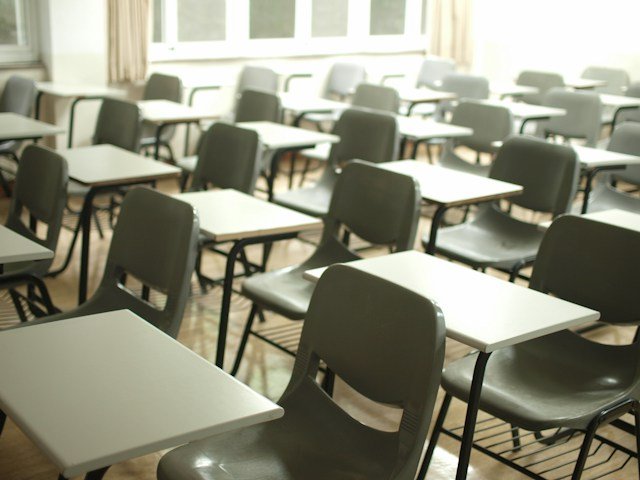
Students frequently touch desks, chairs, pencils, and classroom materials throughout the school day. Shared supplies, particularly in elementary classrooms, may pass between several children during a single lesson.
Teachers can reduce contamination by encouraging handwashing before meals and after messy activities. Frequently handled surfaces should be cleaned regularly, while shared items that children place in their mouths require additional attention. Cleaning schedules should reflect how often materials are used.
Door Handles And Light Switches
Door handles, push plates, and light switches receive constant contact from students, teachers, and visitors. These surfaces can collect microorganisms from hands throughout the day.
Schools should include them in routine cleaning schedules, especially in busy hallways and common areas. During illness outbreaks, additional disinfection may be appropriate. Staff should follow product instructions, including required contact times, to achieve effective disinfection.
Restrooms And Handwashing Stations
School restrooms contain several high-touch surfaces, including faucet handles, toilet flushers, stall locks, and soap dispensers. Poor hand hygiene can allow gastrointestinal and respiratory pathogens to spread between students.
Facilities should maintain adequate supplies of soap, paper towels, and toilet paper. Regular cleaning and appropriate disinfection are essential, particularly around toilets and sinks. Schools should also encourage students to wash their hands with soap and water for at least 20 seconds.
Cafeteria Tables And Food Service Areas
Cafeterias experience heavy traffic during relatively short periods. Students touch tables, chairs, serving counters, and shared equipment while eating and socializing.
Tables should be cleaned between lunch periods, with food-contact surfaces sanitized according to applicable requirements. Employees handling food must follow established food safety procedures. Encouraging handwashing before eating also helps reduce the transfer of germs.
Computer Labs And Shared Technology
Keyboards, computer mice, tablets, and touchscreens are frequently shared between students. These devices can accumulate dirt and microorganisms, particularly when used without regular cleaning.
Schools should follow manufacturer recommendations when cleaning electronic equipment. Appropriate disinfectant products may be used when compatible with device surfaces. Students should also avoid sharing headphones or other personal accessories whenever practical.
Building A Consistent Cleaning Strategy
Effective school hygiene requires coordination between administrators, teachers, and custodial teams. Cleaning schedules should prioritize frequently touched surfaces while accounting for classroom activities and student traffic.
A commercial cleaning company may assist schools with scheduled maintenance, specialized cleaning tasks, and staff coverage during demanding periods. However, schools should verify that cleaning procedures follow applicable health guidance and product safety instructions.
Reducing germ exposure requires consistent habits throughout the school community. Schools should also maintain ventilation systems and encourage sick students and employees to stay home according to current health guidance. Look over the infographic below to learn more about school germs and their hotspots.
