Long flights can take a greater toll on the body than travelers realize. Spending hours in a cramped seat, breathing dry cabin air, and crossing multiple time zones can affect circulation, sleep, and overall comfort. While most passengers arrive without serious complications, certain health risks deserve attention. Knowing what happens to the body during extended air travel can help passengers prepare and recognize potential warning signs.
Blood Clots And Poor Circulation
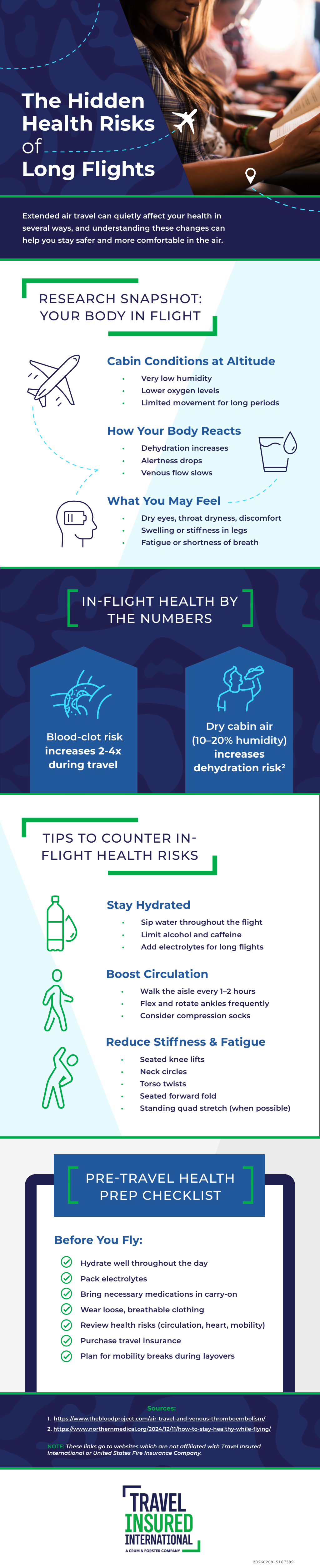
Prolonged sitting can slow blood flow through the legs, increasing the risk of deep vein thrombosis (DVT). This condition occurs when a blood clot forms in a deep vein, usually in the leg.
Although the overall risk is low for healthy travelers, pregnancy, recent surgery, previous blood clots, and certain medical conditions can increase susceptibility. Standing periodically, moving the ankles, and avoiding prolonged immobility may help reduce risk. Sudden shortness of breath or chest pain after travel requires emergency medical attention because it may indicate a pulmonary embolism.
Dehydration And Cabin Air
Airplane cabins typically have low humidity, which can cause dry eyes, irritated nasal passages, and uncomfortable skin. Travelers may also drink less water than usual to avoid frequent bathroom visits.
Although dry air does not automatically cause significant dehydration, inadequate fluid intake can contribute to headaches and fatigue. Drinking water regularly and limiting excessive alcohol consumption can help maintain comfort. Contact lens wearers may benefit from lubricating eye drops or switching to glasses during extended flights.
Sleep Disruption And Jet Lag
Crossing several time zones disrupts the body’s internal clock, affecting sleep patterns, alertness, and digestion. Travelers may experience difficulty sleeping at night or staying awake during daytime activities.
Adjusting bedtime gradually before departure can make the transition easier. Exposure to daylight at the destination also helps the body adapt to a new schedule. Avoiding excessive caffeine late in the day may improve sleep quality during the adjustment period.
Muscle Stiffness And Joint Discomfort
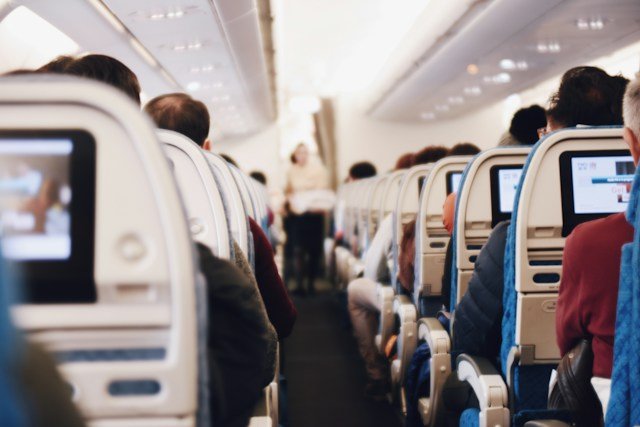
Remaining seated for extended periods can cause stiffness in the lower back, hips, knees, and neck. Limited legroom and awkward sleeping positions may worsen existing musculoskeletal problems.
Changing positions frequently and performing gentle seated stretches can reduce discomfort. When permitted, walking through the cabin provides an opportunity to move larger muscle groups. Travelers with chronic joint conditions may benefit from discussing mobility strategies with their healthcare providers before departure.
Preparing For Unexpected Medical Problems
Passengers with existing health conditions should carry necessary medications in their hand luggage. Keeping prescriptions accessible helps prevent interruptions if checked baggage is delayed.
Travelers may also consider single-trip travel insurance with emergency medical coverage, especially when visiting countries where their regular health insurance offers limited protection. Reviewing exclusions and coverage limits before departure helps prevent unexpected expenses.
Long flights introduce several health concerns, but simple precautions can reduce many associated risks. Individuals with elevated clotting risks or serious medical conditions should seek personalized advice before flying. Recognizing symptoms that require medical attention is equally important for protecting health during and after extended travel. Check out the infographic below for more information.