

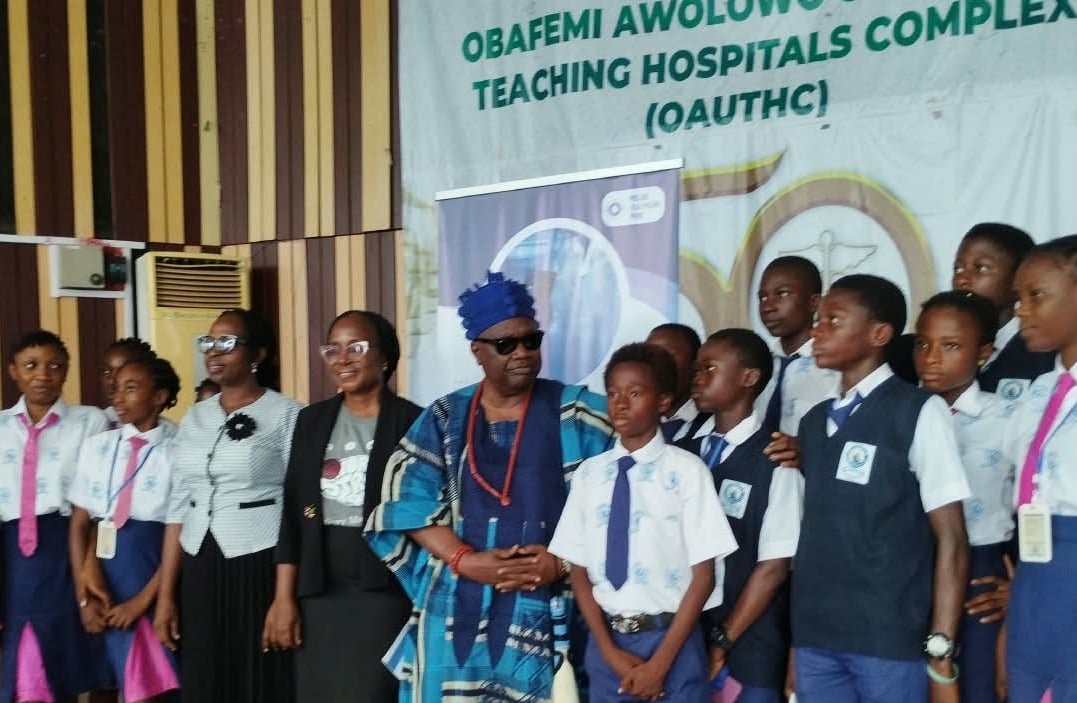
A Consultant Radiologist at the Obafemi Awolowo University Teaching Hospitals Complex (OAUTHC), Ile-Ife, Dr Adeniyi Aderibigbe, has raised concerns over limited access to CT scanners in Osun State, disclosing that only four were installed across the state as of the 2026 Stop Stroke Initiative Conference.
He urged the government to provide scanners in general hospitals, warning that inadequate access could delay diagnosis and life-saving treatment.
Aderibigbe spoke at the conference at OAUTHC, where he presented a paper titled “Understanding and Beating Stroke: Fast-Tracking Imaging for Early Treatment”, under the theme “Every Minute Counts.”
He estimated that a CT scanner could cost less than N250 million and said OAUTHC needed at least two, including one close to its Accident and Emergency Department.
Explaining that stroke occurs in two major forms — ischaemic, caused by blocked blood vessels, and haemorrhagic, resulting from ruptured vessels — he stressed that urgent CT imaging was essential to distinguish between them because their treatments differ.
He proposed that radiographers acquire CT images within five minutes, with radiologists providing preliminary findings immediately and written reports within 15 minutes.
ALSO READ: N10bn emergency fund to tackle Lassa fever, cholera, Ebola, others – NCDC
Identifying late hospital presentation, poor public awareness and delays within healthcare facilities as major barriers, he urged Nigerians to recognise sudden facial drooping, weakness on one side of the body, speech difficulties and sudden collapse as warning signs requiring immediate medical attention.
He noted that eligible patients with ischaemic stroke could receive clot-busting treatment within 4.5 hours, while selected patients could benefit from mechanical clot removal within 24 hours, depending on clinical and imaging assessments.
Also speaking, a Senior Registrar in Neurology at OAUTHC, Dr Toyib Anifowose, identified hypertension as the leading stroke risk factor, alongside diabetes, high cholesterol, smoking, excessive alcohol consumption, obesity and physical inactivity.
He advised Nigerians to monitor their blood pressure, blood sugar, cholesterol and weight, take prescribed medications, reduce salt intake, eat more fruits and vegetables, exercise regularly and avoid tobacco.
Anifowose also urged the public to learn the “BE FAST” warning signs: sudden balance problems, eye or vision changes, facial drooping, arm weakness and speech difficulties. He warned against waiting for symptoms to improve or giving suspected stroke patients food.
Expressing concern over delayed treatment, he said stroke patients presenting at OAUTHC took an average of two days to reach the hospital. He added that about five per cent of the more than 100 stroke patients admitted during the year had died.
He identified delayed presentation, limited CT scan access, inadequate stroke units and treatment costs as major challenges.
In her remarks, the Chairman of the Stop Stroke Initiative at OAUTHC, Professor Morenikeji Komolafe, called on the government to include stroke in Nigeria’s emergency healthcare policy and provide free initial treatment to reduce deaths and disabilities.
She urged the government to guarantee at least the first 24 hours of emergency stroke care without out-of-pocket payments, warning that delays caused by families searching for money could cost patients millions of brain cells.
Presenting Nigerian Stroke Registry figures, Komolafe disclosed that 1,972 new cases had been recorded across 32 participating centres since October 29, 2025. Of these, 56.1 per cent were male and 43.9 per cent female. Ischaemic stroke accounted for 52.2 per cent, while haemorrhagic stroke represented 28.5 per cent.
She said 45.4 per cent of patients arrived at hospitals more than 24 hours after symptoms began, while fewer than 1.5 per cent arrived within one hour.
Komolafe attributed the delays partly to inadequate ambulance services, particularly in rural communities, and called for improved emergency transportation, more CT scanners in general and teaching hospitals, and readily available stroke treatment drugs in tertiary centres.
She stressed that public awareness, prompt hospital presentation and better-equipped healthcare facilities were essential to reducing Nigeria’s stroke burden.
WATCH TOP VIDEOS FROM NIGERIAN TRIBUNE TV