

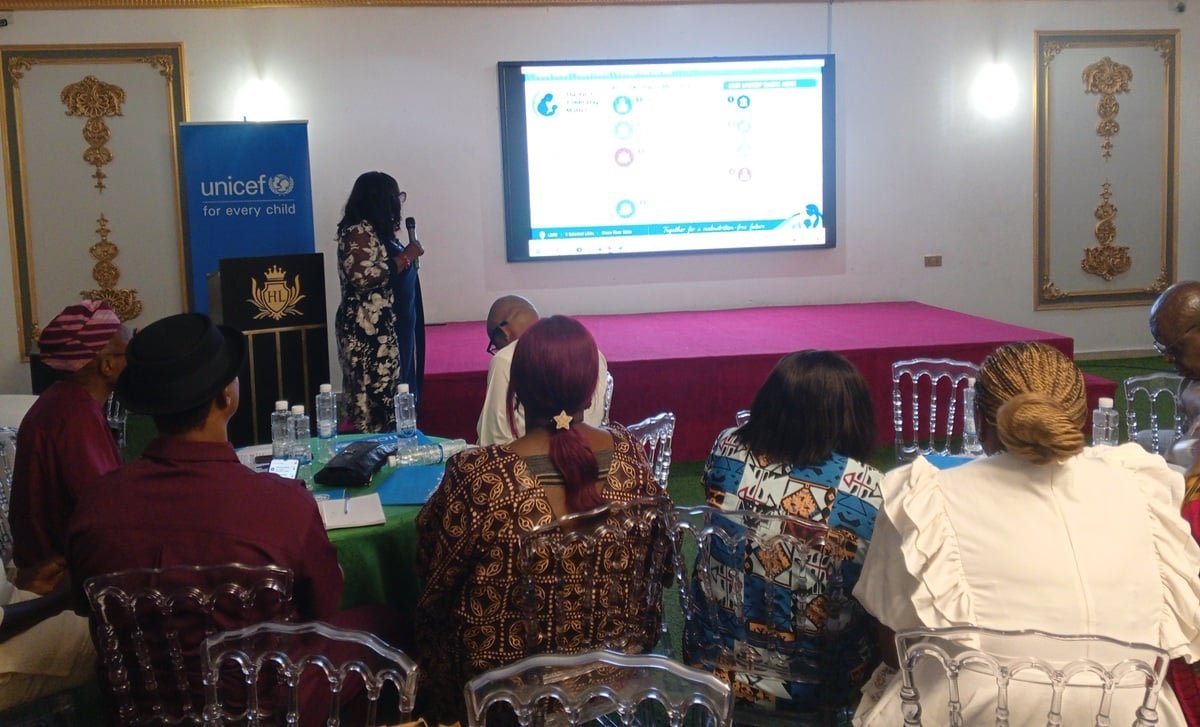
Stakeholders in Cross River State have called for coordinated action across health, agriculture, education, water and sanitation, and social protection to tackle malnutrition and improve child nutrition outcomes.
They made the call in Calabar during a one-day high-level engagement involving the Association of Local Governments of Nigeria (ALGON), state policymakers and other stakeholders on a project aimed at preventing malnutrition during the first 1,000 days of life.
The stakeholders said malnutrition could not be addressed by the health sector alone, as it was also linked to household food security, poverty, maternal education, childcare practices, sanitation, access to healthcare and government investment.
They urged the state and local governments to take greater ownership of nutrition programmes by increasing funding and incorporating interventions into their budgets and development plans.
ALSO READ: DHQ reaffirms continued support for ECOWAS security initiatives
Speaking at the event, UNICEF Nutrition Specialist at the Enugu Field Office, Ngozi Onuora, described the first 1,000 days, from conception to a child’s second birthday, as a critical period for preventing malnutrition and supporting healthy growth and development.
Onuora said Cross River had recorded some improvement in nutrition indicators, with stunting prevalence declining from 23 per cent in the 2018 National Demographic and Health Survey to 21 per cent in the 2024 survey.
However, she said the figure remained high, meaning approximately one in every five children in the state was shorter than expected for their age.
She identified poor infant and young child feeding practices as a major contributor to malnutrition and called for coordinated interventions across relevant sectors.
Onuora said the project, supported by the Latter Days Saints Charity (LDSC) and implemented by UNICEF in collaboration with relevant government institutions, covered nine local government areas in the state.
She said the intervention would build the capacity of healthcare workers and caregivers on exclusive breastfeeding, timely complementary feeding and dietary diversity.
The project would also promote household and community gardens, small livestock production and other initiatives to improve access to nutritious food.
Onuora noted that increased food production did not automatically translate into better nutrition, identifying poverty, limited maternal education, inadequate knowledge of child feeding and insufficient government investment as challenges to tackling malnutrition.
An independent consultant and nutrition specialist, Ada Ezeogu, also said the state’s abundant food production was not enough to eliminate malnutrition.
She identified access to nutritious food, appropriate caregiving practices and a healthy environment supported by healthcare, sanitation and hygiene as essential components of effective nutrition interventions.
Ezeogu said caregivers needed guidance on combining locally available foods to prepare balanced meals suitable for children’s ages.
“Malnutrition is not just about availability of food,” she said, explaining that caregivers needed to understand what foods to give children, the appropriate quantities, feeding frequency and hygienic preparation methods.
She stressed the importance of exclusive breastfeeding during the first six months of life, followed by appropriate complementary feeding while breastfeeding continued.
Representing the Chairman of Ogoja Local Government Council, Chief Chris Agbeh, the council’s Secretary, Chief Alex Atem, said stronger collaboration between local government officials and programme coordinators was necessary to achieve the objectives of nutrition interventions.
Atem said local government chairmen needed adequate information about the programmes to enable them to understand and support initiatives aimed at improving residents’ welfare.
He also identified a shortage of healthcare personnel as a major challenge in Ogoja, despite the availability of functional health centres across its 10 wards.
According to him, some health centres operated with only one or two workers, making it difficult to provide adequate services to their communities.
He called for increased recruitment of healthcare workers, particularly at the primary healthcare level.
WATCH TOP VIDEOS FROM NIGERIAN TRIBUNE TV