

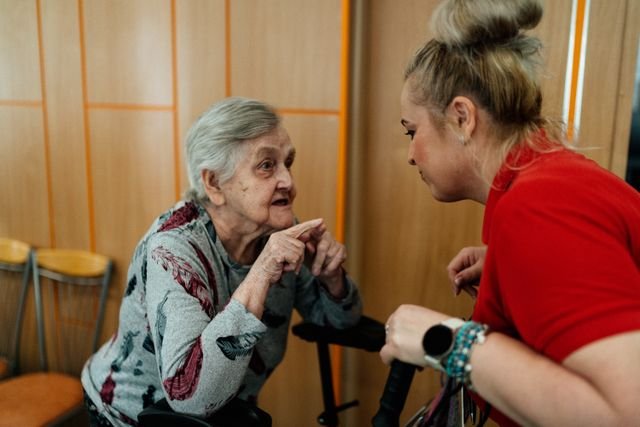
A community can have skilled doctors and modern hospitals and still struggle with poor health outcomes. Medical treatment is only one part of what keeps people well. A patient may understand a treatment plan but have no reliable transportation to appointments. A family may know what healthy food looks like while living with food insecurity. Someone recovering from illness may return to unsafe housing, financial stress, or social isolation. Social workers operate in the space between healthcare and these everyday realities, helping individuals while also addressing the conditions that make entire communities healthier or more vulnerable.
Health Problems Often Begin Outside The Clinic
Community health becomes easier to understand when health is viewed as more than the absence of disease. Housing, income, education, transportation, food access, employment, family circumstances, and neighborhood conditions can all affect whether someone stays healthy or successfully manages an existing condition.
This wider perspective helps explain the purpose of a social worker within community health. Social workers assess individual and environmental needs, connect people with appropriate resources, advocate for access to services, coordinate care, and identify barriers that may prevent people from improving their well-being. Their work can occur at the individual, organizational, or community level.
That makes social work an important bridge between what healthcare professionals recommend and what patients can realistically accomplish once they return to everyday life.
Social Determinants Can Undermine Good Medical Advice
Consider a patient with diabetes who has been given clear instructions about medication, diet, and follow-up appointments. On paper, the treatment plan may be excellent. In practice, the patient might be choosing between groceries and utility bills, lack transportation to the clinic, or live somewhere without easy access to nutritious food.
Calling that patient “noncompliant” misses much of the problem.
Social workers can identify these nonmedical barriers and help people navigate available support. That might involve food assistance, transportation programs, housing resources, financial services, or coordination with community organizations.
Solving every structural problem is beyond the ability of one professional. Recognizing those problems, however, prevents healthcare systems from assuming that information alone is enough to produce healthier behavior.
Mental Health Belongs Inside Community Health
Physical and mental health frequently influence each other. Chronic illness can contribute to anxiety or depression, while untreated mental health conditions can make medication routines, appointments, employment, relationships, and everyday self-care more difficult.
Social workers can play several roles in this area. Licensed clinical social workers may diagnose and treat mental and behavioral health conditions, while other social workers can screen for needs, provide case management, coordinate services, or connect people with appropriate professionals.
Community-based work is especially valuable when stigma, cost, transportation, or shortages of providers make mental healthcare difficult to access.
Integrating mental health into broader community services can also reach people who might never independently approach a specialist but are already interacting with schools, hospitals, nonprofits, shelters, or social-service agencies.
Hospitals Need A Plan For What Happens After Discharge
Leaving the hospital does not mean a person’s health problem has disappeared. Recovery often depends on what happens during the days and weeks afterward.
A patient may need medications, rehabilitation, medical equipment, home healthcare, follow-up appointments, or help from family members. Older adults and people with complex conditions may face additional challenges navigating insurance, long-term care, or community programs.
Social workers can help coordinate these moving pieces and identify potential problems before discharge. Does the patient have somewhere safe to recover? Can prescriptions be obtained? Is a caregiver available? Are follow-up services accessible?
These questions may appear administrative compared with surgery or medication, but their answers can influence whether a patient recovers successfully or quickly returns to the healthcare system.
Schools Can Reveal Health Problems Early
Community health work does not begin when someone enters a hospital. Schools are often among the first places where changes in a child’s well-being become visible.
Frequent absences, sudden behavioral changes, declining grades, hunger, anxiety, family instability, or difficulty concentrating can signal problems extending beyond the classroom. School social workers can work with students, families, teachers, and outside services to understand what is happening.
Sometimes the appropriate response involves counseling. In other situations, a family may need housing assistance, food support, healthcare access, or another community resource.
Early intervention matters because problems rarely remain neatly categorized. Housing instability can affect attendance; family stress can influence mental health; untreated health concerns can interfere with learning. Addressing those connections can improve both educational and health outcomes.
Strong Communities Need Better Connections Between Services
Many communities already contain organizations addressing food insecurity, housing, mental health, employment, aging, substance use, domestic violence, and other needs. The difficulty is that people experiencing several problems simultaneously may have to navigate those systems on their own.
A person facing eviction and depression should not need expert knowledge of local bureaucracy simply to discover which programs can help.
Social workers often function as navigators between individuals and complicated service networks. Case management can involve assessing needs, creating a plan, making referrals, communicating with providers, and following progress.
Coordination also reveals gaps. When professionals repeatedly encounter people who cannot find affordable transportation or mental health treatment, those individual cases begin to expose a broader community problem requiring organizational or policy-level attention.
Crisis Response Requires More Than Immediate Relief
Natural disasters, domestic violence, mental health emergencies, displacement, and other crises create urgent needs, but the consequences often continue after the immediate danger has passed.
People may require temporary shelter, counseling, financial assistance, replacement documents, insurance support, medical care, or help reconnecting with community services. Families already experiencing economic or health difficulties can be particularly vulnerable when a crisis removes the limited stability they had.
Social workers can contribute both during emergencies and throughout recovery. Their knowledge of local resources and human behavior helps connect practical assistance with emotional support.
Community resilience is partly the ability to recover without allowing temporary disruption to become long-term instability. That requires planning for what people will need after emergency responders and news coverage have moved on.
Healthier Communities Are Built By Fixing Repeated Barriers
Helping one person obtain transportation to a medical appointment matters. Discovering that hundreds of residents repeatedly miss healthcare because transportation is unavailable points toward a different level of problem.
This is where social work can move from individual intervention toward community change. Professionals who see recurring barriers can contribute to program development, research, advocacy, organizational planning, and policy discussions designed to address their underlying causes.
The strongest community health strategies therefore operate at several levels simultaneously. Individuals still need immediate assistance. Organizations need effective systems for delivering services. Communities need to understand why the same problems keep appearing.
Social workers occupy an unusual position across those levels because their work connects personal circumstances with larger social conditions. They can see how a missed appointment relates to transportation, how housing instability affects mental health, or how food insecurity complicates chronic disease management.
Better community health depends on making those connections visible. Medicine can treat illness, but healthier communities also require people who understand what happens beyond the examination room, and who can help remove the practical barriers standing between available care and the people who need it.