

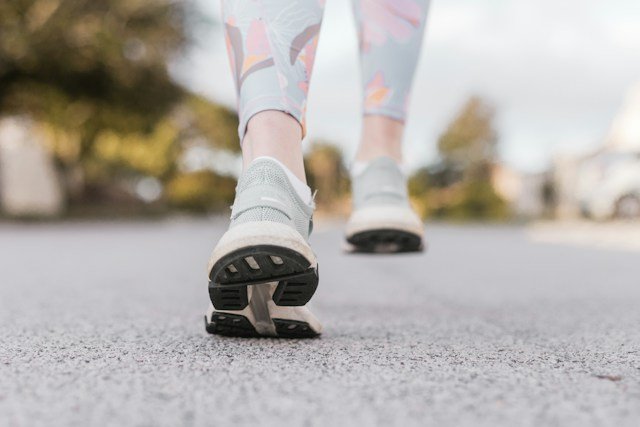
The way you walk is much more than just a way to get around. Your gait, or your personal walking pattern, involves a complex process with your brain, nerves, and musculoskeletal system. It acts as a daily diagnostic, offering clues about your overall body health. An inefficient or abnormal gait can cause aches and pains in seemingly unrelated parts of your body, from your knees and hips all the way to your neck and shoulders.
Understanding Your Walking Pattern
Your gait is as unique as your fingerprint. It’s the coordinated series of movements your body makes to propel you forward. A typical walking cycle involves one leg supporting your body weight while the other swings forward for the next step. This cycle includes phases like the heel striking the ground, the foot rolling flat to support your weight, and finally pushing off from the toes. While some variations are normal, a healthy gait is generally smooth, symmetrical, and efficient, requiring minimal effort. Any significant change from this pattern can point to an underlying issue that needs attention.
The Chain Reaction Of Poor Gait
A problem with your gait creates a kinetic chain reaction that travels up your body. Imagine a slight imbalance in one foot, such as overpronation, where the foot rolls too far inward. This small deviation forces the ankle to compensate. To stabilize the ankle, the knee must adjust its alignment, which then affects the hip. Before you know it, this seemingly minor foot problem is contributing to hip pain or even lower back stiffness. These compensatory movements are your body’s attempt to maintain balance, but over time they lead to strain, inflammation, and chronic pain. Identifying the source of the problem is key, and a specialist at a facility like the Footmechanix Podiatry Clinic can perform a detailed analysis to pinpoint the root cause.
Beyond Foot Pain To Back And Hip Health
Many people suffer from knee, hip, or back pain without ever suspecting their feet are the problem. The connection is direct and biomechanical. For example, if your feet don’t absorb shock properly, that force transfers up to your joints. This can speed up wear and tear on the cartilage in your knees. Similarly, an uneven gait can cause a pelvic tilt, leading to muscle imbalances in your hips and strain on your lumbar spine. Over time, these issues can develop into more serious conditions. Understanding the different types of gait abnormalities is the first step in connecting these distant symptoms to their source. Addressing the foundational issue in your feet can often provide lasting relief for pain felt elsewhere.
Analyzing Your Movement For Wellness
You can start to analyze your own gait with a few simple observations. Take a look at the soles of a well-worn pair of shoes. Is the wear pattern even? Excessive wear on the inside edge might suggest overpronation, while heavy wear on the outside edge could indicate supination. You can also ask a friend to record a short video of you walking from behind. Watch for any asymmetry, such as one shoulder or hip dipping lower than the other. While these self-checks are useful, a professional evaluation provides a much clearer picture. Experts use tools like pressure plates and video analysis to get precise data on your movement patterns and identify the specific type of abnormal gait you may have.
Simple Ways To Improve Your Stride
Improving your gait doesn’t always require intensive intervention. Often, simple adjustments can make a significant difference in your comfort and long-term joint health.
- Focus on Footwear: Wear shoes that provide adequate support and cushioning for your foot type. Avoid wearing worn-out shoes, as they can worsen existing imbalances.
- Stretch Regularly: Tight muscles, particularly in the calves and hamstrings, can restrict your range of motion and alter your gait. Incorporate daily stretching to maintain flexibility.
- Strengthen Your Core and Hips: A strong core provides stability for your entire body. Exercises that target the hips and glutes, like bridges and clamshells, help maintain proper pelvic alignment during walking.
- Practice Mindful Walking: Pay attention to your posture. Walk tall with your head up, shoulders back, and core engaged. Try to land on your heel and roll through your foot to push off with your toes.
Paying attention to how you walk is a simple yet powerful way to invest in your long-term health. By understanding your gait and making small, consistent improvements, you can reduce pain, prevent injury, and move more comfortably through life.