

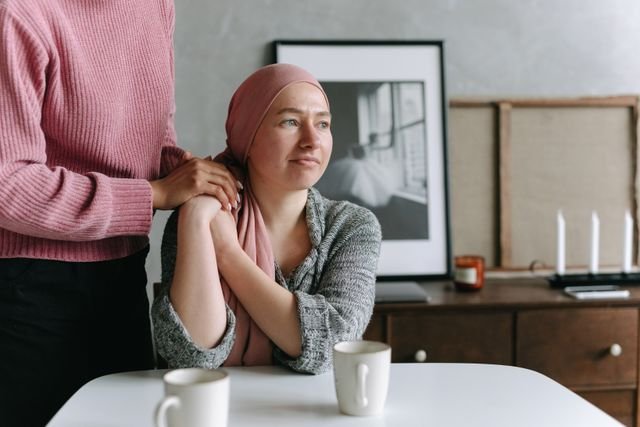
Patients diagnosed with esophageal cancer can experience significant changes to their way of life, in terms of eating, energy, physical strength, emotions, work, relationships and daily activities. Each patient’s experience and recovery from esophageal cancer can vary.
It is important to understand the conditions, and how to deal with the subsequent physical and emotional changes. It is also important to seek appropriate support from healthcare professionals and other patients with similar experiences, both during and after treatment.
Understanding The Treatment Journey
There are several different ways to treat esophageal cancer. Sometimes a single treatment is used but often a combination of different treatments is used. Many people with esophageal cancer are treated with surgery but in addition to this they may also have chemotherapy, radiotherapy or targeted therapy. More recently other treatments have become available, such as immunotherapy.
Different treatments are used at different stages of a patient’s care. They are explained to the patient and their family members and reasons behind giving different treatments and the objectives of the different treatments are also explained by the healthcare team.
Patients can ask the doctor a number of questions about esophageal cancer treatment, like what can be expected from the treatment, typical side effects, impact on daily activities, and which symptoms need to be reported.
Another point that patients may want to raise with their doctor is whether they would consider getting a second opinion. Depending on the individual’s circumstances, patients may also wish to ask whether they are offered the opportunity to enter into clinical trials in order to benefit from the emerging treatments for esophageal cancer.
Managing Physical Changes
In addition to the symptoms of the cancer itself, there are also a number of changes that the body of the patient with cancer can go through as a result of their treatment. These include difficulty swallowing, nausea, feeling tired, loss of appetite, weight loss, and mouth and throat problems.
Symptoms may change from time to time. Some symptoms may disappear while others may aggravate. They must be reported to the healthcare team. Many symptoms of cancer and cancer treatment, such as pain difficulty swallowing, dry mouth, or sore mouth, may be managed with timely reporting to the healthcare team.
Keeping a record of symptoms and their duration can be very helpful when speaking with members of the cancer treatment team. Keeping track of time of day, how long each symptom lasts, the severity of each symptom and whether each symptom gets better or worse with anything, can be very helpful when speaking with the healthcare team.
Information from symptoms recorded can be used to look for trends and to monitor change over time. It can also be used to decide if further investigation or support is required.
Supporting Nutrition
Many factors can affect a person’s eating and drinking when they have esophageal cancer. The difficulty in swallowing (dysphagia) can affect the type of food and drinks that can be swallowed. Other symptoms, such as nausea, loss of appetite, mouth problems (oral symptoms) and throat problems (pharyngeal symptoms), can also make eating and drinking uncomfortable.
While fighting cancer, the body also needs to have the appropriate amount of calories, protein, and fluids to help recover from cancer treatment and build back strength.
A registered dietitian or other healthcare team member can give personalized advice on how to eat to meet nutritional needs while dealing with cancer symptoms. Sometimes, even foods of normal texture can be a problem. In addition to some suggestions for foods, meals and drinks that contain calories and nutrients, the dietitian may also recommend some nutritional supplements to take.
Some patients with appropriate nutrition still require more nutritional support. This can be provided through a feeding tube, and the patient and their family can find out why this is recommended and how it can be managed as part of their overall treatment.
Managing Fatigue And Physical Strength
Fatigue is a common symptom of people with cancer. In addition to affecting their ability to complete daily activities, cancer can also stop people doing work, exercise and other activities that they enjoy, as well as spending time with family and friends doing things of interest to them.
There are ways to complete important tasks during treatment and recovery. Patients can complete the most important tasks during the time they have the most energy. Tasks may be divided into smaller tasks to complete in between rest periods.
Support from family and friends is also important for people with cancer. In many cases, family and friends may be able to help with shopping for food, travelling to and from treatment, and with other household and care activities. Patients with cancer should not be afraid to ask for help from family and friends in order to conserve energy for other activities that are of importance to them.
Persistent or severe fatigue can be an indicator of an underlying problem and needs to be investigated and supported by the healthcare team.
Caring For Emotional Wellbeing
Dealing with the diagnosis of esophageal cancer is more than dealing with the physical effects of cancer and its treatment. There are also emotional effects on patients and their families. Patients can experience fear, anxiety, sadness, anger, frustration and uncertainty for the future.
Everyone deals with cancer in a different way. Patients need to express their concerns to their healthcare team during their treatment, and even after their treatment has finished. There are also many cancer support groups for people with cancer and their families to speak to others who have experienced similar things.
In addition to family and friends, there are many people that cancer patients and their families can turn to for support, for example other cancer patients and their families, individual therapists and groups of people with similar problems and experiences in all parts of the world. For this reason, many support groups for cancer patients and their families have already been set up in many countries of the world.
Communicating feelings and any emotional concerns to the healthcare team is crucial. These concerns can often interfere with daily activities, as well as affect a patient’s ability to continue treatment.
Staying Connected With Everyday Life
Cancer treatment can affect a person’s ability to participate in regular activities and may require some activities to be reduced or paused. However, many people are able to continue engaging in some activities during treatment, which can help them maintain social life and a sense of involvement in everyday life.
There are many activities to choose from in order to maintain interest and focus during long and challenging periods of treatment and from cancer.
Patients returning to their normal daily activities following their cancer treatment can find that there are some modifications required. For example, someone who was fit prior to their illness may now require rest after short walks.
Preparing For Recovery
However, after active treatment for esophageal cancer has finished, patients are left to recover from their treatment. Some patients may take longer than others to regain their strength. There are also patients who have problems with eating in the long term. Other symptoms from treatment can also remain. Patients can return to work and to other activities of daily life.
Follow-up appointments with the patient’s healthcare provider are necessary for the patient’s recovery. At these appointments, the patient and their healthcare provider can discuss the patient’s recovery. The patient can inform their healthcare provider of any new or ongoing symptoms. The patient can also ask their healthcare provider when they can return to work, go back to exercising, travel, etc.
Importantly, patients should not measure their own recovery against others who have been through the same thing. Recovery can be a long and grueling process for some and much quicker for others.
Building Support During Recovery
Support for people with esophageal cancer and their families can come from a variety of sources including healthcare professionals, family and friends, caregivers, registered dietitians, counselors and cancer support groups.
Some people may need support with tasks such as attending hospital appointments, traveling to and from hospital, preparing meals and going shopping for food and doing household chores. Others may need someone to be with them and to listen to them.
Patients need to let others know the extent of support needed, and when they need some space and time to rest.
Living well with esophageal cancer is more than finishing treatment and returning to normal life. Patients can try to improve their overall health and well-being by maintaining physical health, by proper nutrition, by maintaining emotional wellbeing, by maintaining relationships and by returning to daily activities. Recovery experiences might vary among different patients.
Medical Disclaimer: The information provided in this article is intended for educational purposes only and should not be interpreted as medical advice, clinical guidelines, or a recommendation for any specific treatment.