

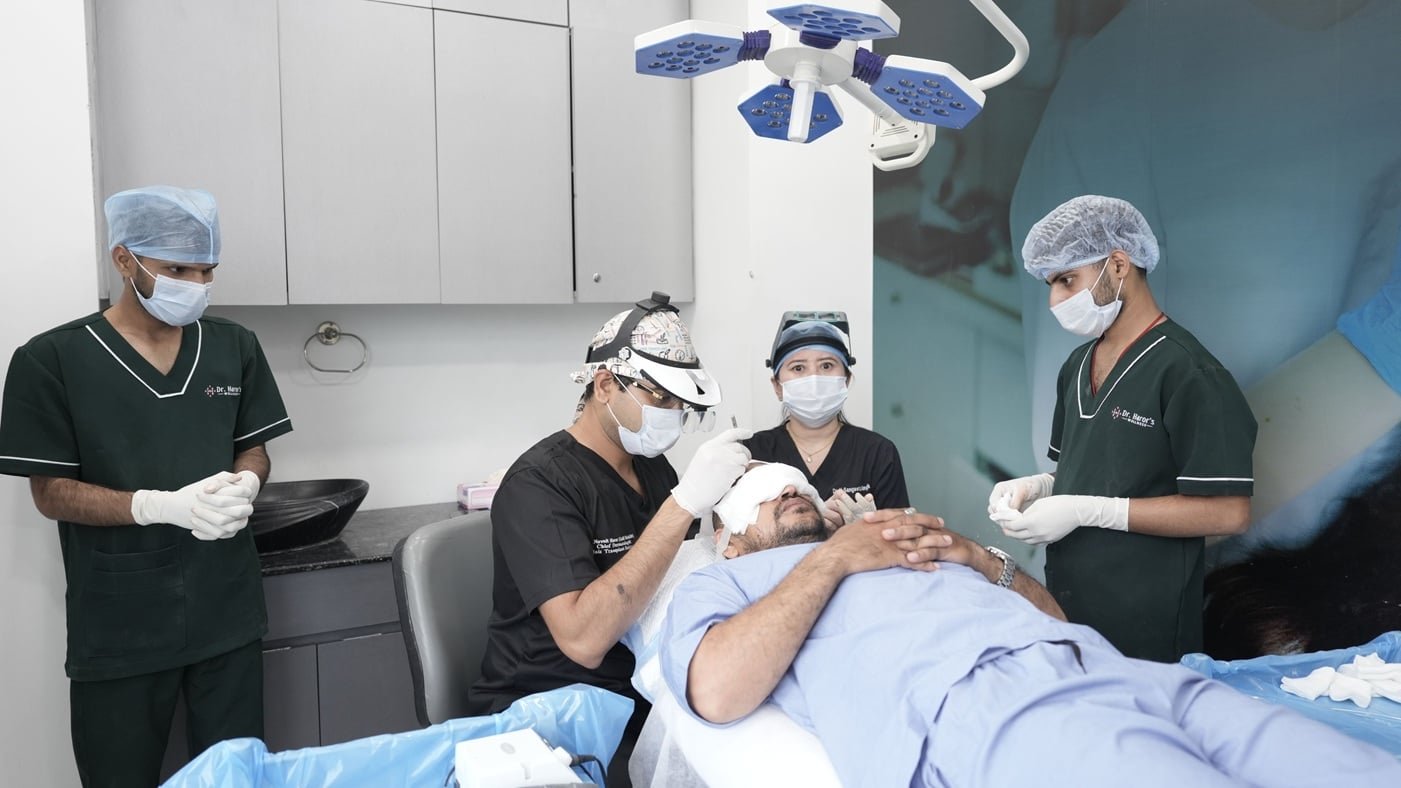
Turkey, and Istanbul in particular, has become one of the most common destinations in the world for hair transplant surgery. Patients from the US, the UK, and across Europe regularly fly in specifically for the procedure, and the trend has only grown over the past decade. The reasons behind it are less about marketing and more about a combination of cost, volume, and specialization that’s hard to match elsewhere.
Is It Really Cheaper in Turkey?
Cost is the most commonly cited reason, and it’s a significant one. A hair transplant in the US or UK can run several times higher than the same procedure in Turkey, even after factoring in flights and accommodation. The price difference is largely explained by operating costs, clinic overhead, labor expenses, and broader differences in healthcare markets rather than the procedure itself.
Many patients find that even with travel expenses included, the total cost is still notably lower than getting the procedure done at home.
Why Does Turkey Have So Many Hair Transplant Clinics?
Volume plays a big role here. Turkish clinics collectively perform a very high volume of hair transplant procedures each year, giving many surgical teams extensive experience with a wide range of cases. That volume means surgeons and technical teams get repeated, concentrated experience with a wide range of hair types, hairline designs, and donor area challenges.
In fields where technique improves with repetition, that kind of volume tends to translate into refined, well-practiced methods, particularly with newer techniques like DHI and advanced FUE approaches.
Are Turkish Surgeons Specialized in This Procedure?
Many are, and this is part of what draws international patients in the first place. In several clinics, hair restoration is the core focus of the practice rather than one offering among many. That kind of specialization is less common in some other countries, where hair transplants might be one of several cosmetic procedures a clinic offers rather than its main area of expertise.
What About the All-Inclusive Packages?
Most clinics catering to international patients offer packages that bundle the surgery with hotel stays, airport transfers, and sometimes translation services. This isn’t unique to hair transplants; medical tourism in general has built around this model. For patients traveling from abroad, it removes a lot of the logistical stress of coordinating everything separately, which is part of why the country has become such a convenient option for a procedure that requires very little actual downtime.
Is the Quality of Care Comparable?
Quality varies by clinic, just as it does anywhere else in the world. Reputable Turkish clinics are staffed by licensed medical doctors, follow established surgical protocols, and often have accreditations recognized internationally. As with any country, patients benefit from doing their own research into a specific clinic’s credentials, doctor qualifications, and patient outcomes rather than assuming quality based on location alone.
Do Turkish Clinics Have Experience with Afro-Textured Hair?
This is a question that comes up often among patients researching the trip, and it’s a fair one to ask. Because Turkish clinics see such a high volume of international patients, some have also developed specialized approaches for Afro-textured hair. Clinics such as Istanbul Vita, for example, use an Afro Technique® designed specifically for curly and coily hair, adapting extraction angles, graft handling, and implantation to the natural curvature of Afro follicles. These modifications reflect the different technical demands of Afro hair transplantation compared with straight or wavy hair.
That said, experience with textured hair still varies significantly from one clinic to another, just as it does anywhere in the world. Patients with Afro-textured hair are generally better served by asking directly about a clinic’s specific case history with curly hair, rather than assuming it’s covered simply because the clinic handles a large number of patients overall.
Are There Any Downsides to Traveling for the Procedure?
A few things are worth planning around:
- Aftercare and follow-up appointments are harder to manage in person once you’ve returned home, so clinics that offer remote follow-up support are worth prioritizing
- Language differences can occasionally complicate communication, though most clinics working with international patients have English-speaking staff
- Recovery in an unfamiliar city adds a layer of logistics that a local procedure wouldn’t require
Common Questions
Is it safe to get a hair transplant in Turkey? It can be, provided the clinic is properly licensed and the surgical team is experienced. As with anywhere, research into the specific clinic matters more than the country itself.
How long is the typical trip? Most patients plan for three to four days, though this can vary depending on the technique used and how quickly someone wants to fly home after surgery.
Do I need a visa to travel to Turkey for this? Requirements depend on your home country. Many Western countries, including the US and UK, allow visa-free entry for short stays, but it’s worth confirming current requirements before booking.
Will my results look different because I had surgery abroad? No. The outcome depends on the surgeon’s skill and technique, not the country where the procedure takes place.
The Bottom Line
The pull toward Turkey for hair transplant surgery comes down to a fairly practical mix of lower cost, a high concentration of experienced specialists, and streamlined travel packages built specifically around international patients. It’s not a shortcut or a compromise for most people who choose it; it’s simply become one of the more established and cost-effective paths to the procedure, provided the individual clinic is chosen carefully.
WATCH TOP VIDEOS FROM NIGERIAN TRIBUNE TV