

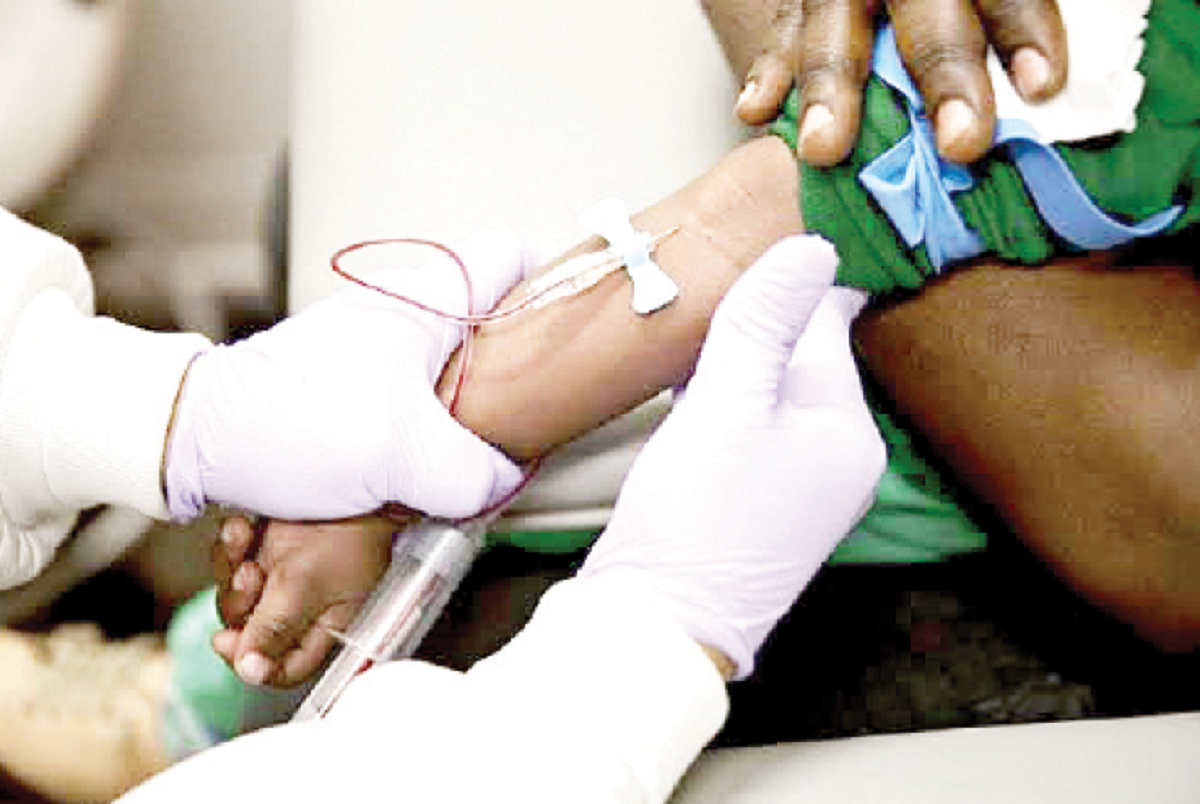
PEOPLE living with sickle cell trait may be at risk of having prediabetes or diabetes missed because a commonly used blood-sugar test can significantly underestimate their glucose levels, a new study by Ghanaian researchers has found.
The study, presented at ADLM 2026 in Anaheim, California, found that immunoturbidimetry, a laboratory method commonly used to measure HbA1c, produced substantially lower results in people with sickle cell trait than high-performance liquid chromatography (HPLC).
The researchers warned that the discrepancy could result in people with sickle cell trait being wrongly classified as having normal blood sugar, potentially leading to missed diagnoses of prediabetes and diabetes.
The finding could have important implications for Nigeria, Ghana and other parts of West Africa, where sickle cell trait is common.
ALSO READ: Jingir defends comment on Muslim-Muslim ticket, says position not about Tinubu
Dr Elikem Kumahor, lead author of the study and a specialist laboratory physician at Korle Bu Teaching Hospital in Accra, said the findings were particularly important for Ghana, where about two percent of newborns have sickle cell disease and an estimated 30 percent of the population carries sickle cell trait.
“However, the influence of haemoglobin variants on HbA1c testing hasn’t been well characterised in our region,” Dr Kumahor said.
HbA1c is widely used to assess average blood-sugar levels over two to three months and to diagnose and monitor diabetes without requiring patients to fast.
However, the Ghanaian researchers found a significant difference between the two laboratory methods among people with sickle cell trait.
The study examined 1,283 HbA1c tests from adults at a tertiary hospital in Accra during January and February 2026.
Researchers initially tested the samples using HPLC, which can detect haemoglobin variants. Samples suspected of containing variants were subsequently tested using immunoturbidimetry, while haemoglobin electrophoresis was used to confirm sickle cell trait.
Of the participants analysed, 198 had sickle cell trait and 1,027 had normal haemoglobin. Another 58 people with other haemoglobin variants were excluded.
Among people with normal haemoglobin, the two testing methods produced broadly similar HbA1c results. The difference, however, was striking among those with sickle cell trait.
Their average HbA1c was 5.1 percent using immunoassay, compared with 5.9 percent using HPLC. So, the difference changed the classification of a substantial number of patients.
Using immunoassay, only 22 of the 198 people with sickle cell trait, or 11.1 per cent, were classified as having prediabetes. With HPLC, however, 68 people, or 34.5 percent, fell into the prediabetes category.
The disparity was even more concerning for diabetes. HPLC identified eight participants, or four percent, as meeting the diabetes threshold, while none were classified as diabetic using immunoassay.
Dr Kumahor said the findings suggest that the laboratory method used to measure HbA1c can have important consequences for diagnosing people who carry the sickle cell gene.
Sickle cell trait is prevalent across much of sub-Saharan Africa, meaning limitations in HbA1c testing could potentially affect diabetes screening in other countries across the region.
WATCH TOP VIDEOS FROM NIGERIAN TRIBUNE TV