


Supplements line the shelves of every health shop and pharmacy. Yet few shoppers know how a capsule or gummy reaches the bottle. The journey from raw ingredient to finished product is longer than most people expect. Learning how it works makes label reading far simpler.
Most brands do not make their own products. They work with a specialist that handles formulation, production, and packaging. Superior Supplement Manufacturing is one such private-label partner based in California. Knowing how these partners operate helps you weigh supplement quality with a clearer eye.
How Does Contract Manufacturing Actually Work?
Private-label manufacturing means one company makes a product that another sells under its own brand. Contract manufacturing is a close cousin. The brand owns the recipe and the label, while the factory builds the product to order. This model keeps costs down and brings new products to market faster.
A good manufacturer offers far more than a production line. Many help with formulation, sourcing, label design, and batch testing. A brand can then focus on its market while experts handle the science. That split of work is common right across the industry. Learning how supplements are made this way explains why two similar bottles can differ so much in price and quality.
What Happens Inside A Supplement Facility?
A modern facility works a little like a food kitchen held to laboratory standards. Raw ingredients arrive and sit in quarantine until tested. Staff check each material for identity, purity, and strength before it is used. Only approved batches move on to blending.
From there, machines mix, measure, and form the final product. Every step is recorded so a batch can be traced later. Cleaning between runs stops one product from contaminating the next. A single batch may pass 10 or more checks before release. These records are the backbone of real quality control.
Good facilities also test the finished product, not just the inputs. A sample from each batch is held back for reference. This lets a maker check any later concern against a real sample.
The Main Delivery Forms
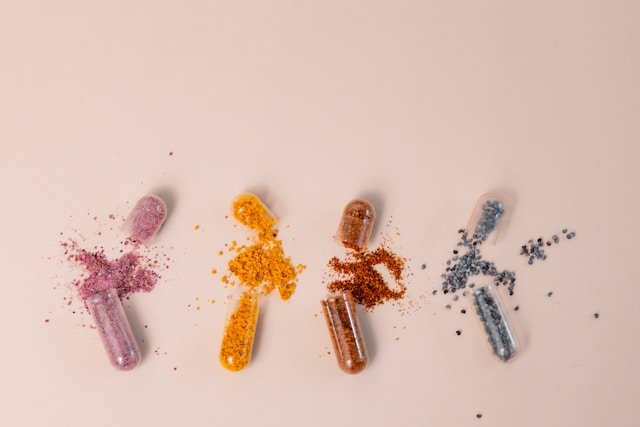
Supplements come in several formats, and the form shapes the experience. Capsules are quick to produce and easy to swallow. Tablets pack more material into a small size and keep well on the shelf. Powders suit larger doses and mix into drinks. Liquids and soft gels round out the common choices.
Alt text: A selection of colourful supplement capsules, tablets, and gummies arranged on a table
Gummies have grown popular for their taste and soft texture. They take more work to make, since flavor, color, and dose must stay consistent. A single product might hold 1 active ingredient or 20. The right format often comes down to the ingredient and the person taking it. Pairing any product with a sustainable healthy diet gives the strongest foundation.
What Do Certifications Signal To A Buyer?
Certifications give shoppers a shortcut to trust. They show that an outside body has checked the product or the plant. This matters because supplements are not approved before sale like medicines. In the United States, federal rules require Good Manufacturing Practices, often shortened to CGMP. You can read the federal manufacturing rules that set this baseline for every maker.
Third-party marks go a step beyond the legal floor. A program such as independent product certification tests that the label matches the contents. Other useful marks include USDA Organic for organic ingredients and TGA registration for the Australian market. Some programs screen for more than 290 substances banned in sport. A seal is not a health claim, yet it does signal a maker that invited scrutiny.
Reading Quality Into A Supplement Label
A label reveals a lot once you know the signals. Look for the full ingredient list with clear amounts. Check for a lot number and an expiry date, which point to batch tracking. An expiry date often sits about 24 months from production. A vague label is a fair reason to pause.
Sourcing and testing carry more weight than marketing words. Terms like natural and clean have no fixed legal meaning. Getting enough nutrients from your diet comes first, with supplements filling the gaps. A trustworthy brand is happy to explain where its ingredients come from.
Price alone is a poor guide to quality. A cheap bottle can still be well made, and a dear one can let you down. Judge the maker and the testing behind the label instead. When in doubt, contact the brand and ask a direct question.
Key Points For Judging Supplement Quality
- Most brands use a private-label or contract manufacturer to make their products.
- A careful facility tests every batch for identity, purity, and strength.
- Capsules, tablets, gummies, and powders each suit different needs.
- CGMP rules set the legal baseline for makers in the United States.
- Third-party marks like NSF and USDA Organic add extra checks.
- A clear label with batch details points to a careful maker.
Choosing Supplements With More Confidence
Quality is built long before a bottle reaches the shelf. It starts with a careful manufacturer and honest testing. Once you know what happens behind the label, the choices feel far less confusing. Look for clear sourcing, recognized certifications, and a maker that answers questions. That knowledge turns a crowded shelf into a manageable decision.
FAQ
What Is the Difference Between Private-Label and Contract Manufacturing?
The two overlap a great deal in practice. Private-label often means an existing formula sold under your own brand. Contract manufacturing usually means a custom recipe built to order. The same facility can often handle either approach. Both let a brand sell products without owning a factory.
Does a Certification Mean a Supplement Is Safe?
Not on its own. A mark shows that a product met a set standard at testing. It does not promise a health result for any one person. Marks also vary in how strict their testing is. Read the label and speak to a pharmacist or doctor if unsure.
How Are Gummy Supplements Made?
Makers blend the active ingredients into a gel base with sweetener and flavor. The mix is poured into molds and left to set. Each batch is checked so the dose and texture stay even. Gummies need careful work to keep the amount accurate.
What Does CGMP Mean On a Label?
CGMP stands for current Good Manufacturing Practices. It is a set of federal rules for making supplements safely. These rules sit in 21 CFR Part 111, a standard finalized in 2007. The rules cover cleanliness, testing, and record keeping. A maker that follows them can trace every batch.