

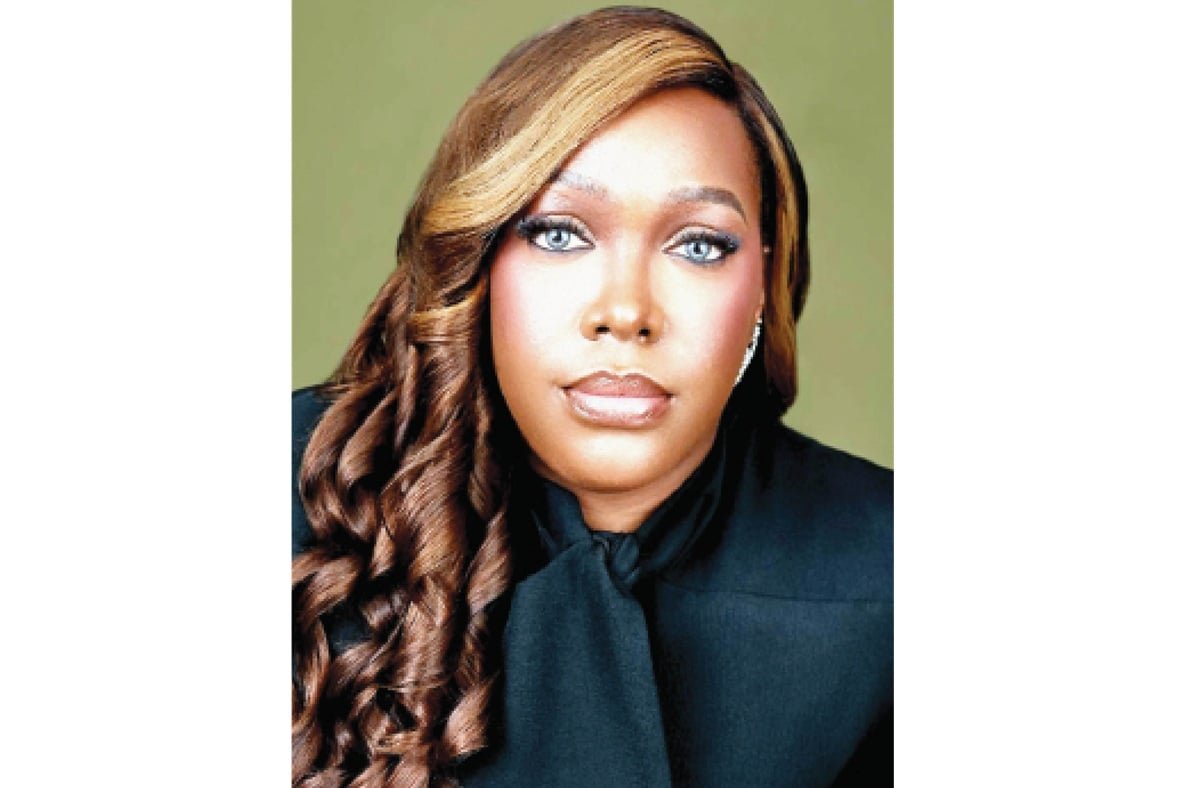
Dr Olayemi Dawodu, laboratory physician and the Chief Executive officer of Cerba-Lancet Laboratories Nigeria, in this interview with Sade Oguntola, says AI, telepathology and government support are key to reaching underserved communities.
DIAGNOSTIC laboratories played a critical role during the COVID-19 pandemic. What lessons has Cerba Lancet Nigeria carried forward from that experience?
As an organisation, Cerba Lancet Nigeria played a significant role in partnering with Nigeria during the COVID-19 pandemic. We were able to do that because of foresight. What do I mean by foresight? Even before the pandemic emerged, we had already invested in building our molecular testing capacity. That decision was driven by our commitment to listening to our customers. We regularly gather customer feedback and reviews, and the insights we receive help shape how we can better serve our clients and the wider community.
Those insights led us to establish our molecular diagnostics capability before the pandemic arrived, which meant we were well prepared. As a result, we were able to leverage that capacity and contribute meaningfully to COVID-19 testing across the country.
For me, one of the most significant lessons was the importance of being prepared. Another was the ability to pivot quickly. In times of crisis, you have to think fast and be innovative. And innovation doesn’t necessarily mean deploying robots to collect blood samples or run tests. Sometimes, it’s the simplest ideas that make the most significant difference.
ALSO READ: FG launches diaspora health programme to strengthen healthcare delivery
For example, instead of setting up a collection centre outside our existing operations, we established one right here, where we were already serving hundreds of thousands of people. That, to me, was innovation in action.
Beyond having the infrastructure to carry out testing, we were prepared to adapt quickly and respond to the emerging needs of the public. It also helped that we had already built a foundation in molecular testing, which we further strengthened during the pandemic. Capacity building for our staff became even more important during that period.
Ultimately, the key lessons were the value of preparedness and having a robust crisis and contingency plan. Even before the pandemic, we had developed such a plan and cascaded it across the organisation so that, should something like a crisis happen, we could continue operating and sustain the business.
Could you elaborate on the practical steps that can be taken to ensure every Nigerian has access to internationally accredited diagnostic services, regardless of location?
When we talk about technology, a major part of that conversation is artificial intelligence and the broader deployment of digital tools. Of course, automation has long been part of diagnostic testing, helping to reduce both turnaround time and manpower requirements. But there is one area I feel particularly passionate about. I believe pathology should be democratised—and it must be democratised. I intend to be at the forefront of making that happen.
What do I mean by that? Every Nigerian, including those in the most remote communities, should have access to high-quality pathology services.
Now, that doesn’t necessarily mean every rural community will have the same sophisticated equipment found in major urban centres. Rather, they should have technology that is appropriate for their setting—technology that has been properly validated, verified and calibrated to produce reliable and accurate results.
I am also a firm believer in using digital and remote solutions. While many people talk about telemedicine, I often speak about telepathology. Through telepathology, we can extend quality diagnostic services to underserved communities by connecting satellite facilities with specialists based in urban centres.
A simple example is cervical cancer screening. Community health workers can be trained to collect Pap smear samples, stain the slides and digitally scan them to a pathologist in an urban centre for reporting. In doing so, someone living in a remote or underserved community gains access to the same level of specialist expertise as someone in a major city.
There is still a great deal we can—and must—do with technology. However, this cannot be the responsibility of the healthcare sector alone. It has to be a multi-sectoral effort. We need to collaborate with the Nigerian Communications Commission, telecommunications providers, the education sector and other stakeholders.
Only through that kind of collaboration can we create the level of impact that technology has the potential to deliver for diagnostics and healthcare in Nigeria.
With emerging diagnostic technologies, what impact do you expect they will have on healthcare in Nigeria over the next 10 years? How can this vision be realised?
Over the next 10 years, I believe it is important for all stakeholders to come together and have a seat at the table to make this vision a reality.
As I mentioned earlier, this cannot be driven by the healthcare sector alone. We need sustained advocacy and engagement with policymakers because, ultimately, they are responsible for creating and implementing the policies that will enable innovation to thrive. It cannot simply be my personal conviction that this is the direction we should take.
We need to engage at the highest levels of government and bring together all relevant stakeholders to develop practical, scalable solutions. One way to start is by establishing more roundtables and think tanks focused on deploying technology to improve healthcare. Encouragingly, this is already happening. Last year, for example, I attended a telemedicine conference where these conversations were taking place.
We already know that Nigeria is facing significant brain drain and a shortage of healthcare professionals. Digital technologies are no longer optional—they are essential if we are to improve access to quality healthcare across the country.
What is your recommendation?
My recommendation is to embrace telemedicine, which naturally includes telepathology—a subject I always champion as a pathologist. The encouraging thing is that these solutions are already proving effective. Several organisations have successfully deployed telemedicine initiatives in different states across Nigeria. Without promoting any particular organisation, I can say that there are credible providers working with local and state governments to deploy solar-powered telemedicine kiosks in underserved communities.
These kiosks do not rely heavily on conventional infrastructure and are designed to operate in multiple local languages, making healthcare more accessible to people who would otherwise struggle to access quality medical services.
I believe this approach can significantly accelerate healthcare delivery to underserved communities. However, these initiatives require strong government support and buy-in to reach their full potential.
We also need comprehensive policies and regulatory frameworks to guide the implementation of telemedicine. While work is already underway in this area, I believe we need to accelerate the development and adoption of these guidelines. Once the right policies are in place, we will be in a much stronger position to scale these solutions across the country.
What would be your last words for young Nigerian women who aspire to lead, particularly in multinational organisations as you do?
First and foremost, believe in yourself. But belief alone is not enough. You must dream, and you must have clarity about where you want to go and what you want to achieve. Once you have that clarity, equip yourself with the skills, knowledge and competencies required to succeed. As I said earlier, it is so important to remain open to learning. Take advantage of every opportunity to grow, continue to upskill yourself, and stay informed about the developments that will help you reach your goals.
Another piece of advice I would give is to find mentors—and sponsors. This is incredibly important. Your mentors do not necessarily have to come from your own industry. I have mentors in healthcare, finance and education, and each of them has contributed to my growth in different ways.
As women, there are still relatively few of us in leadership positions. That is why it is important to intentionally seek out people whose journeys inspire you and whose experience can help guide your own.
Reach out to mentors because they shorten the journey. They help you avoid mistakes that others have already made and provide guidance when you need it most. Sponsors are equally valuable because they advocate for you, speak your name in the right rooms and help create opportunities.
Above all, commit yourself to excellence. Whatever you do, strive to do it exceptionally well. Continue to develop your competence so that there is never any doubt about your ability to deliver. In the end, your results should always speak for themselves.
What advice would you give to young women who face the challenge of balancing their careers with childbearing and other family responsibilities?
Today, we no longer talk so much about work-life balance; we talk about work-life integration. And I think that’s absolutely true. Speaking as a wife, a mother and an executive, I fully appreciate just how demanding those roles can be. But despite those demands, I believe we must continue to pursue our dreams.
You have to do it afraid. What do I mean by that? It wasn’t because I wanted to become a specialist that I decided not to get married. I got married, I had children, and I continued to pursue my career. You simply have to learn how to manage your time as best you can.
The honest truth is that you won’t always feel like you’re excelling in every area of your life at the same time. There will be seasons when your responsibilities at work demand more of your attention. There will also be times when your family needs you more.
That’s why having a supportive partner who believes in your dreams is invaluable. They help carry the load when you need to step up in another area of your life. I can say that confidently from my own experience.
If you are fortunate enough to have a strong support system, whether through trusted domestic help or family members, that also makes a tremendous difference. For those of us whose parents are still with us, they often play an important stabilising role, stepping in when work commitments require us to be away.
So, my advice is this: marry someone who genuinely supports your dreams—someone who is your biggest cheerleader. Build a strong support system around yourself. It also helps to have a great team at work that you can rely on.
At the same time, accept that you won’t always have everything perfectly aligned. There will be days when you feel like you’ve been a wonderful mother because you made it to your child’s school event, and there will be days when work takes priority.
For me, what matters most is that you don’t abandon your dreams simply because you are a wife or a mother. If I had done that, I wouldn’t have become a pathologist, and I certainly wouldn’t have had the opportunity to lead a multinational organisation today. Stay focused. Stay intentional. Keep moving towards your goals, one step at a time.
Q: How have you been able to navigate today’s economic challenges and foreign exchange fluctuations while leading a multinational business?
A: It would be inaccurate to say that the current economic climate hasn’t affected our business. Of course it has. The key, however, is planning, understanding your business, and making informed decisions based on the information available to you.
One advantage we have is our scale. Because of the volume of work we do, we are able to negotiate certain concessions. Being part of a larger multinational group also allows us to benefit from economies of scale.
When you’re negotiating on behalf of just one organisation, your bargaining power is naturally more limited. But when you’re negotiating across 14 entities, you’re often able to secure better pricing and more favourable terms than an individual organisation could achieve on its own.
That certainly helps us manage some of the pressures we face. However, it doesn’t eliminate the broader economic challenges. We still have to maintain strong financial discipline by carefully managing our expenses, optimising our resources and ensuring we get the greatest possible value from everything we do.
Q: Could you tell us about Cerba Lancet Nigeria?
A: Cerba Lancet Nigeria is a multi-award-winning multinational pathology laboratory group providing diagnostic and wellness services across Nigeria. We operate multiple laboratories and collection centres across several states, making quality diagnostic services more accessible to individuals, healthcare providers and organisations.
In December 2024, we officially became Cerba Lancet Nigeria. Before then, we were known as Clina Lancet Laboratories Nigeria. Clina Lancet Laboratories Nigeria was established in 2012 through the merger of Clina-Lancet Laboratories, a leading Nigerian pathology laboratory, and Lancet Laboratories, one of South Africa’s foremost diagnostic providers. That partnership combined strong local expertise with international standards and technical excellence, laying the foundation for the organisation we are today.
As part of the wider Cerba HealthCare Group, we continue to build on that legacy by delivering world-class diagnostic services backed by global expertise, innovation and rigorous quality standards.
Quality remains at the heart of everything we do. Our laboratories operate under internationally recognised quality management systems and hold ISO accreditation, with recognition from SANAS, the Nigeria National Accreditation System (NiNAS) and the Medical Laboratory Science Council of Nigeria (MLSCN). These accreditations reflect our unwavering commitment to delivering accurate, reliable and internationally benchmarked diagnostic services.
Today, we offer a comprehensive range of pathology services, supported by advanced technology, highly trained professionals and a strong culture of continuous improvement. Our goal is simple: to provide every patient and healthcare provider with diagnostic results they can trust, while continually expanding access to high-quality laboratory services across Nigeria.
WATCH TOP VIDEOS FROM NIGERIAN TRIBUNE TV