

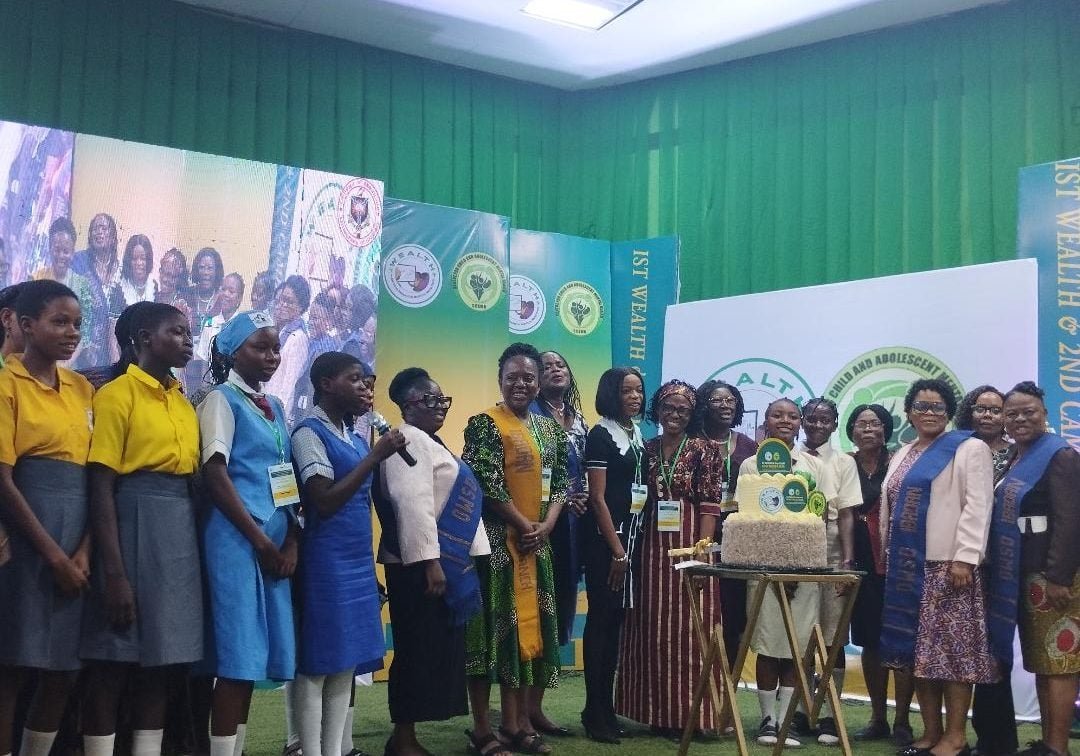
Immediate Past President of the Medical Women’s International Association (MWIA), Dr Eleanor Nwadinobi, has raised the alarm that one billion people worldwide are living with mental health conditions, warning that women and girls bear a disproportionate share of the burden due to violence, discrimination, and deep-rooted social inequalities.
Delivering the keynote address at the 1st Women Derive Mathematical Models for Mental Health (WEALTH) Conference and the 2nd Child and Adolescent Mental Health (CAMH) Conference in Ibadan, Nwadinobi urged governments to shift their focus from treating mental illness to investing in prevention throughout a woman’s life course.
She disclosed that women are 1.5 times more likely than men to experience depression, while one in 10 pregnant women and new mothers suffers from depression or other mental health disorders.
According to her, the true burden is even greater because of the “three S’s”—stigma, shame and silence—which prevent millions from seeking help.
Nwadinobi said violence against women, child marriage, sexual abuse, poverty, workplace harassment, conflict and unequal access to healthcare expose women to multiple layers of vulnerability throughout their lives.
She likened the required response to a soil irrigator that delivers water directly to a tree’s roots, arguing that investments must address the root causes of poor mental health rather than merely treating its consequences.
“We must invest in preventing violence, discrimination and the structural inequities that erode women’s mental well-being from girlhood to old age,” she said.
The don identified early childhood, adolescence, the reproductive years, midlife and old age as critical stages requiring targeted interventions, including safe schools, maternal support, meaningful economic empowerment and stronger community protection systems.
ALSO READ: Just 30 minutes of inactivity may raise cancer death risk — Study
She also challenged policymakers to rethink women’s empowerment programmes, arguing that genuine empowerment should create wealth and leadership opportunities rather than merely equipping women with basic survival skills.
Convener of the WEALTH and CAMH conferences, Professor Olayinka Omigbodun, called for greater inclusion of adolescents in mental health research, stressing that young people should actively participate in shaping policies affecting their lives.
Omigbodun said the Gates Foundation-funded WEALTH project is building a critical mass of women researchers and policymakers with expertise in mathematical and statistical modelling to tackle depression and related mental health conditions among adolescent girls and young women in sub-Saharan Africa.
She noted that depression remains one of the leading causes of illness and disability among adolescents, with girls facing heightened risks due to poverty, gender-based violence, child marriage, discrimination and limited educational opportunities.
Provost of the College of Medicine, University of Ibadan, Professor Temidayo Ogundiran, said addressing Africa’s growing mental health burden requires stronger collaboration between mathematics and the mental health sciences.
He described the WEALTH project as a convergence of data science and psychiatry aimed at developing evidence-based solutions to depression among adolescent girls and young women.
Ogundiran stressed that depression, reportedly three times more common among adolescent girls and young women in sub-Saharan Africa than among males, represents the lost potential of millions of young women whose struggles often remain invisible.
Chief Medical Director of the University College Hospital (UCH), Ibadan, Professor Jesse Otegbayo, called for urgent and coordinated action to tackle the growing burden of mental health disorders among adolescents and young people, particularly adolescent girls and young women.
He said the WEALTH project, which applies statistical and mathematical modelling to develop evidence-based solutions for depression among adolescent girls and young women in sub-Saharan Africa, would strengthen prevention strategies, improve policy formulation, and enhance the quality of life of vulnerable populations.
Oyo State Commissioner for Health, Dr Oluwaserimi Ajetunmobi, said strengthening mental health services requires reliable data, evidence-based policymaking, and closer collaboration among governments, researchers and healthcare institutions.
Declaring the conference open, she described mental health as a critical public health and development issue, noting that one in eight people globally lives with a mental disorder and that nearly half of all mental health conditions begin before age 14.
Ajetunmobi, however, said inadequate mental health data remains a major challenge and appealed to researchers, hospitals and development partners to share data that will guide policy formulation, planning, and resource allocation.
WATCH TOP VIDEOS FROM NIGERIAN TRIBUNE TV