

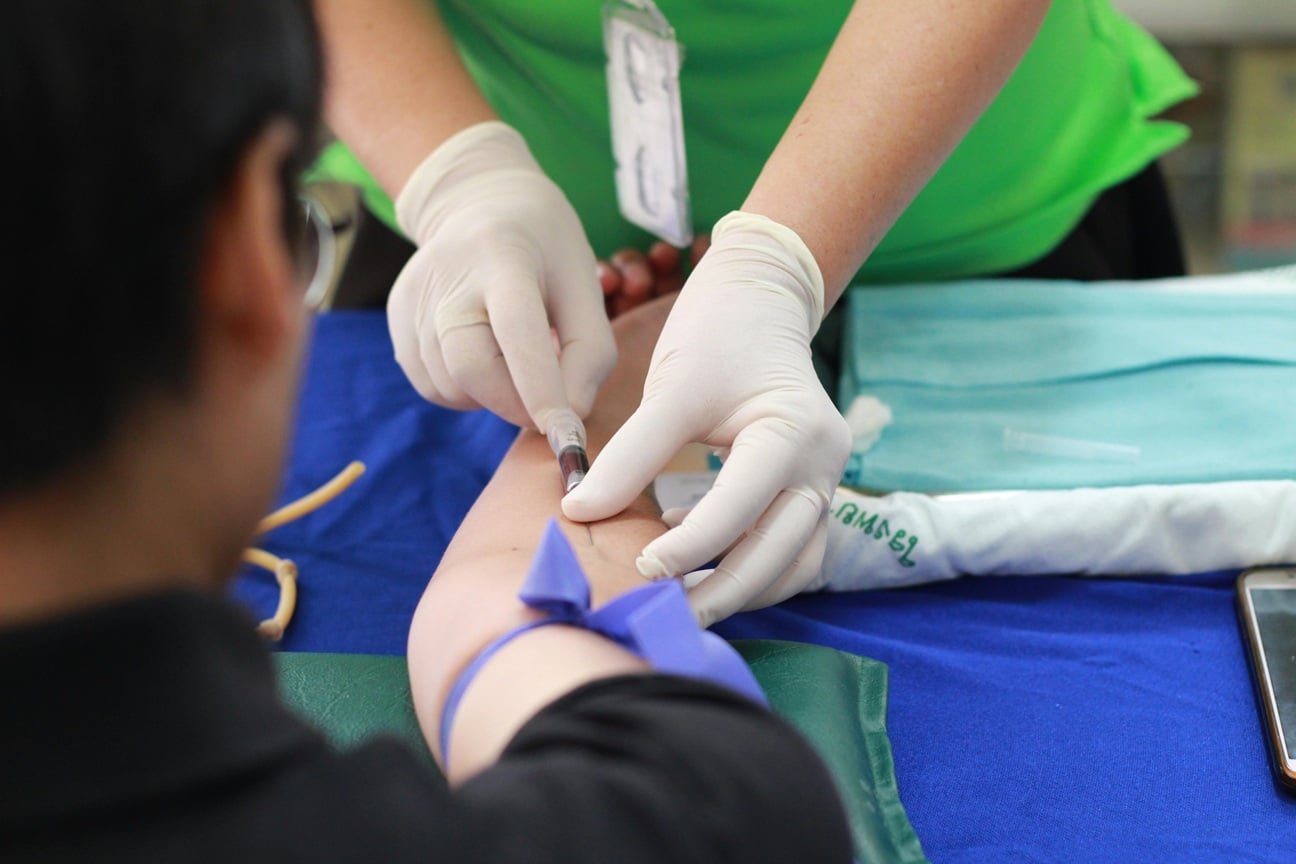
A new blood-based screening test could significantly improve the detection of aggressive prostate cancer compared with the widely used prostate-specific antigen (PSA) test, according to a new study.
Researchers found that the Stockholm3 test detected 90 percent of clinically significant prostate cancers, compared with 74 percent identified through PSA testing alone, while maintaining a similar rate of false-positive results.
The findings, published in the Annals of Internal Medicine, suggested that the risk-based screening tool could help identify men who need treatment earlier, while reducing unnecessary biopsies.
Prostate cancer is the second most common cancer among men globally.
Although, PSA testing has been the standard screening method for decades, experts explained that elevated PSA levels can also result from non-cancerous conditions such as an enlarged prostate or inflammation, leading to unnecessary scans, biopsies and anxiety.
The Stockholm3 test combines PSA measurements with genetic markers, blood protein biomarkers and clinical information, including age and family history, to provide a more accurate assessment of an individual’s risk of developing clinically significant prostate cancer.
The researchers, led by scientists at Sweden’s Karolinska Institutet, analysed data from more than 12,600 men aged between 50 and 74 years, who participated in the STHLM3-MRI randomised screening trial.
Participants underwent both PSA and Stockholm3 testing and were followed for two years through Sweden’s national cancer registry.
Lead author of the study, Dr. Thorgerdur Palsdottir, said Stockholm3 identified 400 of the 443 clinically significant prostate cancers diagnosed during follow-up, compared with 327 cases detected using the standard PSA screening threshold.
“The most important finding is that Stockholm3 detected substantially more clinically significant prostate cancers than PSA at comparable false-positive rates,” Palsdottir said.
He explained that while PSA testing missed about one in four aggressive cancers, Stockholm3 missed only one in 10.
The researchers also assessed the commonly used PSA threshold of 4 nanograms per millilitre, which detected just 52 per cent of clinically significant cancers, leaving nearly half of aggressive cases undetected during initial screening.
WATCH TOP VIDEOS FROM NIGERIAN TRIBUNE TV