

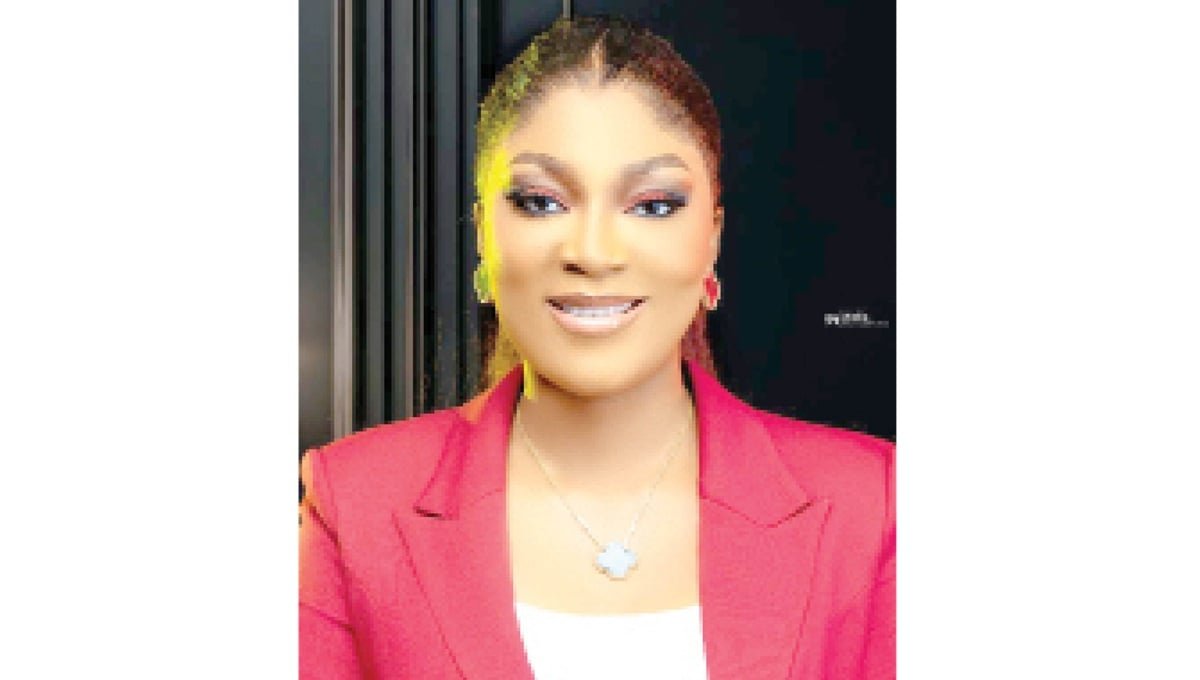
As Nigeria joins the world to celebrate the International Widows Day, Mrs. Comfort Adedayo, the CEO of Comfort and Grace Women Initiative, in this interview with Sade Oguntola, highlights the plights of widows, including their silent grief and hidden mental health struggles in the face of weak legal protection in Nigeria. Excerpts:
We celebrate Mother’s Day loudly; we celebrate Father’s Day loudly. Even Children’s Day gets attention and joy across communities. But when it comes to International Widows Day, it feels quieter, almost invisible. Why is that so? Is it because widows don’t have issues or because society is comfortable ignoring their struggles?
In fact, I really appreciate it because it goes straight to the heart of the matter. If you look at our society today, you’ll notice something very clear. Just yesterday, for example, we were celebrating Father’s Day. People were posting, sharing memories, praising fathers and husbands. Some weeks before that, we had Mother’s Day, and it was the same celebration everywhere. Even Children’s Day is widely recognized. But when it comes to widows, there is silence. And that silence is very telling.
Widows exist in every community. I am very sure there is hardly any family in Nigeria that does not have a widow, whether in the immediate or extended family. Yet their experiences are rarely acknowledged. Their struggles are often invisible.
Part of the reason is that widowhood is associated with grief but also with poverty and social stigma. So people tend to avoid the topic. It becomes something society is uncomfortable addressing openly. But silence does not mean absence. Just because we do not talk about widows loudly does not mean their challenges do not exist.
So I would say it is not that widows do not matter. It is that society has not given them enough attention. We need to change that. Just like we celebrate other international days, we should also recognize widows—not because they are celebrating loss, but because they deserve encouragement, dignity, and visibility.
We must be able to say, “There is a widow beside me, and she is still part of the community.” Her life matters. Her voice matters. That is why advocacy like this is very important.
Do we actually know how many widows there are in Nigeria? And what are their biggest challenges?
To be honest, Nigeria does not yet have a comprehensive national database specifically focused on widows. The last major census data we rely on is quite old, and it does not give a detailed breakdown of widows as a group.
However, estimates suggest that there are about 10 to 15 million widows in Nigeria. That is a significant number. It represents a large portion of women who are living with unique challenges.
But beyond numbers, the reality is in the lived experiences. Their challenges are many, but the top issues include poverty, property grabbing, harmful traditional practices, lack of opportunities, social isolation, and mental health struggles such as grief and trauma.
Poverty is often the biggest immediate challenge. When a husband dies, what was previously shared becomes the responsibility of one person. Even if the husband were not the main breadwinner, the structure of support would change completely. Suddenly, everything becomes heavier.
Then you also see cases of property being taken away from widows by in-laws or extended family members. This is what we refer to as property grabbing.
On top of that, harmful cultural practices still exist in some communities. And because of stigma, widows are sometimes isolated socially. People withdraw from them, not necessarily because they have done anything wrong, but because of cultural beliefs around widowhood. All of these combine to make their situation very difficult.
Widowhood, as you mentioned, comes with harmful traditional practices in many communities. What role can traditional rulers, religious leaders, and women’s groups play in ending these practices?
They actually have a very powerful role to play. In many communities, traditional rulers and religious leaders are highly respected. Whatever they say often carries weight. People listen to them and follow their guidance. This means they can either help to sustain harmful practices or help to end them.
If traditional rulers begin to speak openly against harmful widowhood practices, it will make a huge difference. If religious leaders begin to preach dignity, compassion, and fairness toward widows, communities will slowly begin to change their attitudes.
Women’s groups are also very important because they often understand these struggles more deeply. They can advocate, support widows directly, and push for community change. Real change happens faster when it comes from within the community, not when it is forced from outside. That is why collaboration is key.
Mental health and grief seem to be major issues among widows. What is the situation like? Do widows in Nigeria receive enough psychological or emotional support?
There is still a very large gap in mental health support, especially for widows. Many widows suffer in silence. They are grieving, but they do not always have access to counseling or emotional support systems. In many cases, people expect them to “move on” quickly, but grief does not work that way. Support groups, counseling services, faith-based organizations, and community engagement are extremely important. Sometimes, something as simple as having someone who listens can make a huge difference.
I can speak personally as well. My mother became a widow at a very young age, around 36. So I have seen firsthand how important support systems are. Without them, the emotional toll can be overwhelming. When widows lack support, it does not only affect them. It affects their children too. It affects education, stability, and even long-term well-being.
So yes, mental health challenges are very common among widows, and many are living with them quietly.
Widows are often stigmatized as “bad luck” in some communities. How are you working to change that narrative?
We work mainly through advocacy and continuous community engagement. We collaborate with government institutions, especially the Nigerian Ministry of Women Affairs and local government structures. We also engage with traditional leaders and religious leaders regularly.
The goal is to consistently challenge harmful narratives and replace them with more informed and compassionate perspectives. We also encourage widows themselves to speak, share experiences, and support each other. We have what we call “older widows” who have lived through these experiences longer. They help new widows understand that they are not alone.
This peer support is very powerful. Over time, we are seeing gradual change. The narrative is shifting, but slowly.
Have you encountered specific harmful traditional practices in your work with widows that stand out to you?
Yes, unfortunately, we have seen several distressing cases. In some communities, widows are made to undergo very harsh mourning rituals. For example, some are required to shave their heads completely. Others are asked to drink water used to wash their late husband’s body or belongings as a so-called test of innocence. There are also cases where widows are told they cannot remarry unless they undergo certain humiliating rituals.
These practices can be deeply traumatic. They come at a time when the woman is already grieving. So instead of support, she is placed under more emotional and psychological pressure.
This is why continuous sensitization is important. We work with traditional and religious leaders to discourage such practices and promote dignity instead.
Widowhood funding and advocacy do not always attract as much attention as maternal or child health issues. How do you keep people engaged beyond International Widows Day?
That is a real challenge, but we try to remain consistent. We do not limit our engagement to specific days like June 23, which is International Widows Day. Instead, we work throughout the year. We maintain relationships with community leaders, continue visits, and share real-life impact stories.
When people see actual transformation, they become more engaged. We also remind communities that widowhood is not a one-day issue. It is a lifelong reality for many women. So consistency is key.
There are laws like the Violence Against Persons (Prohibition) Act, as well as state-level laws addressing harmful widowhood practices. Are these laws being enforced? Do widows get justice?
The laws exist, and in many cases, they do provide a pathway to justice. Institutions such as the Nigerian Ministry of Justice also play a role in enforcement. However, the reality is that enforcement is inconsistent.
Some widows are able to access justice, especially when they understand their rights and follow the proper channels. But many do not even know where to begin. Some go to the wrong places, while others simply give up due to pressure, delay, or lack of information. This is why legal awareness is so important. Even when laws are strong, they are not effective if people cannot access them.
Beyond legal protection and charity, what kind of long-term empowerment do widows need to become self-sustaining?
Empowerment is very important. We focus on skills training, small business support, and access to credit facilities. Some widows are trained in soap making, tailoring, and agricultural activities. We also connect them to small loans and trading support so they can start or rebuild livelihoods. The idea is not just to give handouts but to give tools for independence. When a widow is economically stable, she is better able to care for her children and rebuild her life with dignity.
ALSO READ: IGP bans Police officers from TikTok, Facebook, others
In the last 12 months, how many widows have you directly supported?
We have supported a little above 200 widows in the past year. This includes financial assistance, skills training, counseling, and small business support. Some of them are already doing well and becoming more independent.
Finally, can you share one story that reflects the impact of your work?
Yes, I can. We worked with a young widow who lost her husband unexpectedly. She was deeply depressed and felt completely isolated. Financially, she struggled, and emotionally, she had lost confidence. Through our support programme, she received counseling, skills training, and small business support. Gradually, she began to rebuild her life.
Today, she is more confident, financially stable, and actively involved in her community again. She is raising her children well and has regained her sense of dignity. For us, that is what true impact looks like. It is not only financial recovery. It is emotional healing, social reintegration, and restoration of hope.
WATCH TOP VIDEOS FROM NIGERIAN TRIBUNE TV