

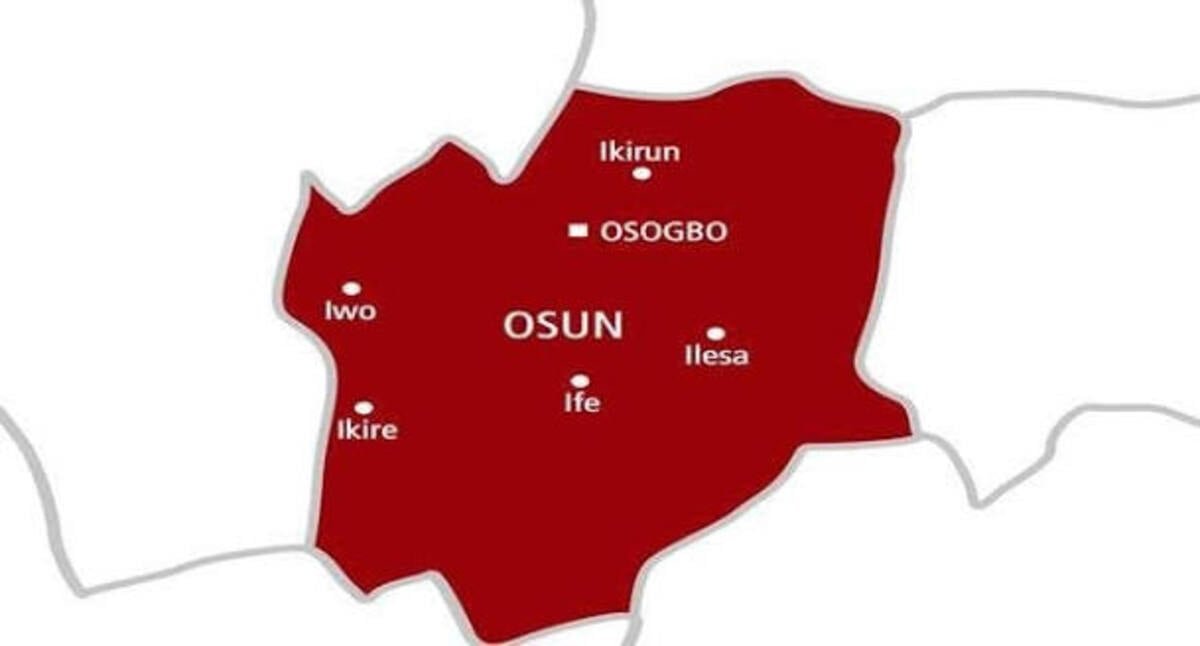
A group of Yoruba traditional rulers have met in Osogbo, the Osun State capital to renew their quest to boost awareness and increase their political participation in the general election coming up in January and February 2027.
Speaking at the launch of the Small Towns and Rural Kings programme and commencement of Pre-Election Voters Awareness Campaign in Yorubaland (PEVACIYO), Governor Ademola Adeleke of Osun State expressed joy at the event and encouraged royal fathers to use their proximity to the grassroots to help the government to achieve their goals and implement its policies.
Governor Adeleke, who was represented by the Chairman of the state’s Teaching Service Commission, Mr. Temitope Adeyemi, said: “I urge you to use your position to promote unity, discourage hostility and encourage you subjects to embrace peaceful participation in the electoral process. Political differences should never be allowed to destroy the bonds of family, friendship and community that unite us.”
The traditional rulers, in collaboration with the Centre for Rural Affairs and Community Development, said they were enthusiastic with the PEVACIYO project, and expressed readiness to play more active role in the pre-election voter awareness campaign with a view to recording better turnout at elections as against what obtained in previous exercises.
Chairman of the event and a former Commissioner, Public Complaints Commission in charge of Osun State, Professor Rasaq Abubakre, said the reasons for the assembly were “to launch the Rural Kings Programme and to flag off the Pre-Election Voter Awareness Campaign in Yorubaland and the diaspora.”
Abubakre said the two purposes were like a set of twins inside a womb, saying small towns and communities were indispensable to numerical success recorded at every election, and reminded the government and the electoral body that charity must begin at home.
ALSO READ: Yoruba didn’t start Nollywood, Osuofia clarifies home-video history
He said: “In a nutshell, the renewed hope agenda which task is to maximise votes for the re-election of President Bola Ahmed Tinubu should treat this sector as a focal point. From this point, the president should beam his light to focus more than hitherto on Yorubaland Council of Traditional Leaders of Small Towns Inner Cities and Rural Areas which is being inaugurated today.
“This will prevent a repeat by the local governments of what the state governments do which concentrates on big towns and cities to the neglect of this significant structure.”
The host of the event and the Eburu of Iba, Oba Adekunle Adeogun Okunoye, explained that the Small Towns and Rural Kings for Continuity, Renewed Hope, National Unity and Stability Programme and the PEVACIYO Project were important to their success in the elections.
Oba Okunoye said the initiatives speak directly to the future of grassroots people, and affirmed that traditional rulers of small towns and communities are custodians of culture, values and community identity.
“We are close to our people and understand their concerns, aspirations and everyday challenges. By engaging traditional institutions in development initiatives, we can help ensure that information, opportunities and empowerment reach the grassroots — not only the major urban centers. This program is therefore a call to recognise rural communities as essential partners in national progress.
“When small towns and rural communities are supported, the benefits extend beyond their boundaries and contribute to the strength and stability of the nation as a whole,” he said, adding “no community should be left behind in the pursuit of national development.”
He commended a former Osun State Commissioner of Information, Chief Sunday Akere and the Renewed Hope Ambassadors for taking the message of the Renewed Hope Agenda to communities across the country and urged others to push further the hope of practical improvements in their lives.
According to him, development should reach the inner cities and rural settlements as well as the larger urban centers, saying “our collective responsibility is to keep the needs of underserved communities in view and to build constructive partnerships between traditional institutions, public authorities, civil society and the people. Such cooperation can help ensure that the dividends of democracy are more widely shared.”
WATCH TOP VIDEOS FROM NIGERIAN TRIBUNE TV