

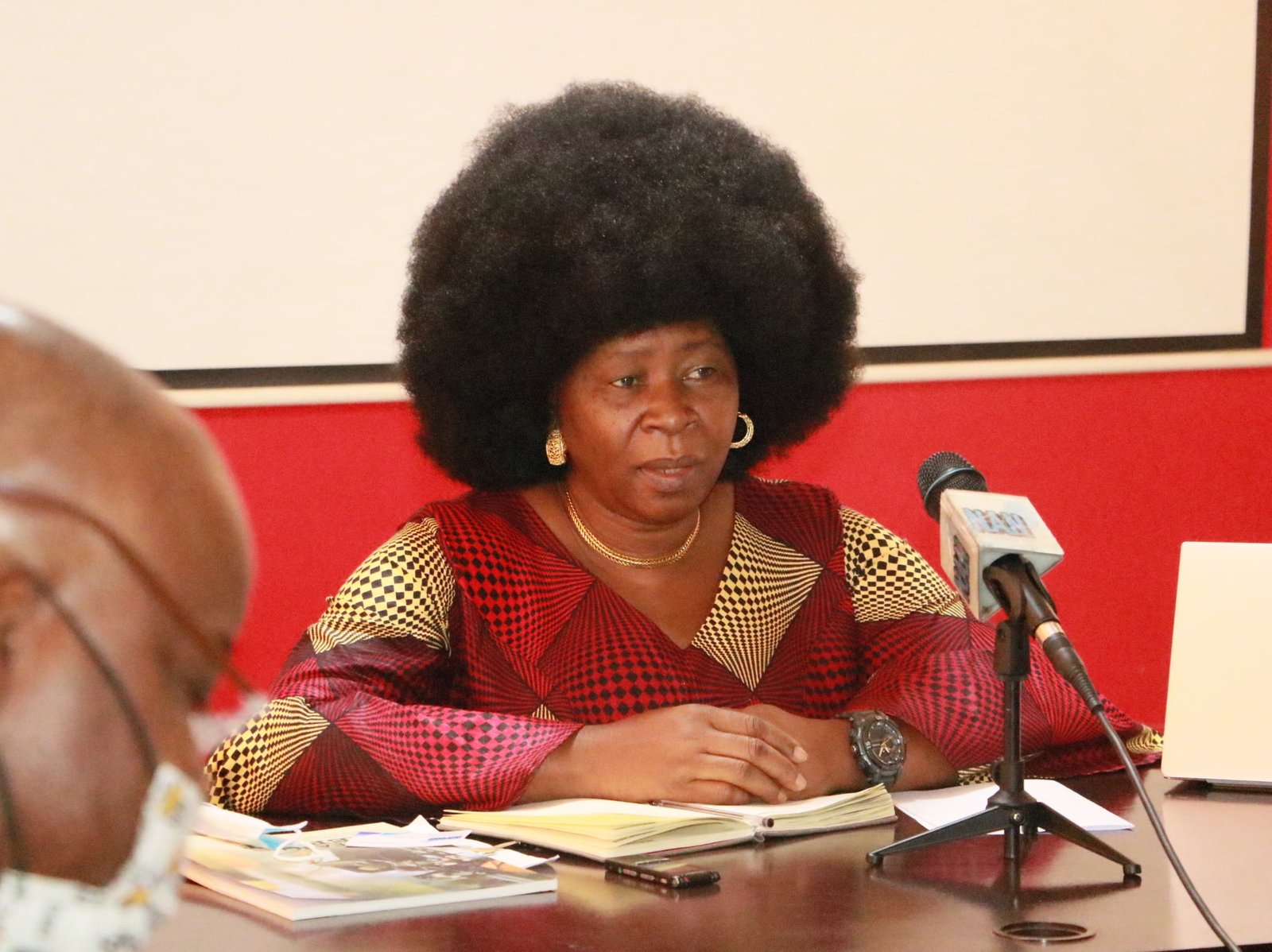
“It shows the quality of the people in politics, that the kind of people that we have as leaders. This is because many of the governors have made promises that they will deliver their state, and to do so they are creating stringent environments to make sure that they do what they have promised their, is it their godfather?” she said.
Obi wondered how governors could confidently promise the President as many as 2.5 million votes when the number of people who voted them into office was significantly lower.
“Why would somebody who the population that brought you on board as governor is not even up to a million, and you are promising the President that you get 2.5 million for him?” she queried.
She argued that if the ruling party was genuinely confident of its electoral strength, there would be no reason for governors and political leaders to allegedly resort to intimidating opposition parties and restricting their political activities.
Obi also questioned the need for such political desperation, particularly given claims by the ruling party that it had secured the support of more than 30 states.
“If you say you have about more than 30 states, that’s the ruling party now. If you say you have more than 30 states you have captured already. That’s enough for winning,” she said.
“So why not go home and rest? Why not go home and sleep?”
Her comments come amid growing concerns over political intimidation, violence and alleged attempts by some state governments and political actors to frustrate opposition activities ahead of the 2027 general elections.
Several opposition figures and political organisations have raised allegations of threats, restrictions on access to public facilities, attacks on political supporters and attempts to prevent opposition parties from holding rallies.
The concerns have also revived memories of previous controversial statements by political leaders regarding the treatment of opposition parties and their supporters.
In Rivers State, the political crisis between supporters of Governor Siminalayi Fubara and the camp of his predecessor, Nyesom Wike, has generated concerns over political hostility and the freedom of opposition groups to operate.
Similarly, opposition parties have repeatedly accused some state governments of using their control of public institutions and security structures to frustrate their political activities.
Obi, however, maintained that despite the alleged efforts to weaken opposition parties, Nigerian voters would ultimately determine the outcome of the elections.
She said attention should be directed towards the Independent National Electoral Commission (INEC), insisting that the electoral body must demonstrate independence, credibility and transparency.
“No matter how you try to pull down the opposition or those who are in the different political parties, the people will make up their minds,” she said.
Obi stressed that civil society organisations and Nigerians must remain vigilant to ensure that INEC performs its constitutional responsibilities without interference.
She added that the focus ahead of the 2027 elections should be on ensuring that the electoral commission lives up to its mandate and protects the people’s right to freely choose their leaders.
“Our focus in this election will be on INEC because the citizens are watching,” she said.
“Let us focus and make sure that INEC answers its name.”