

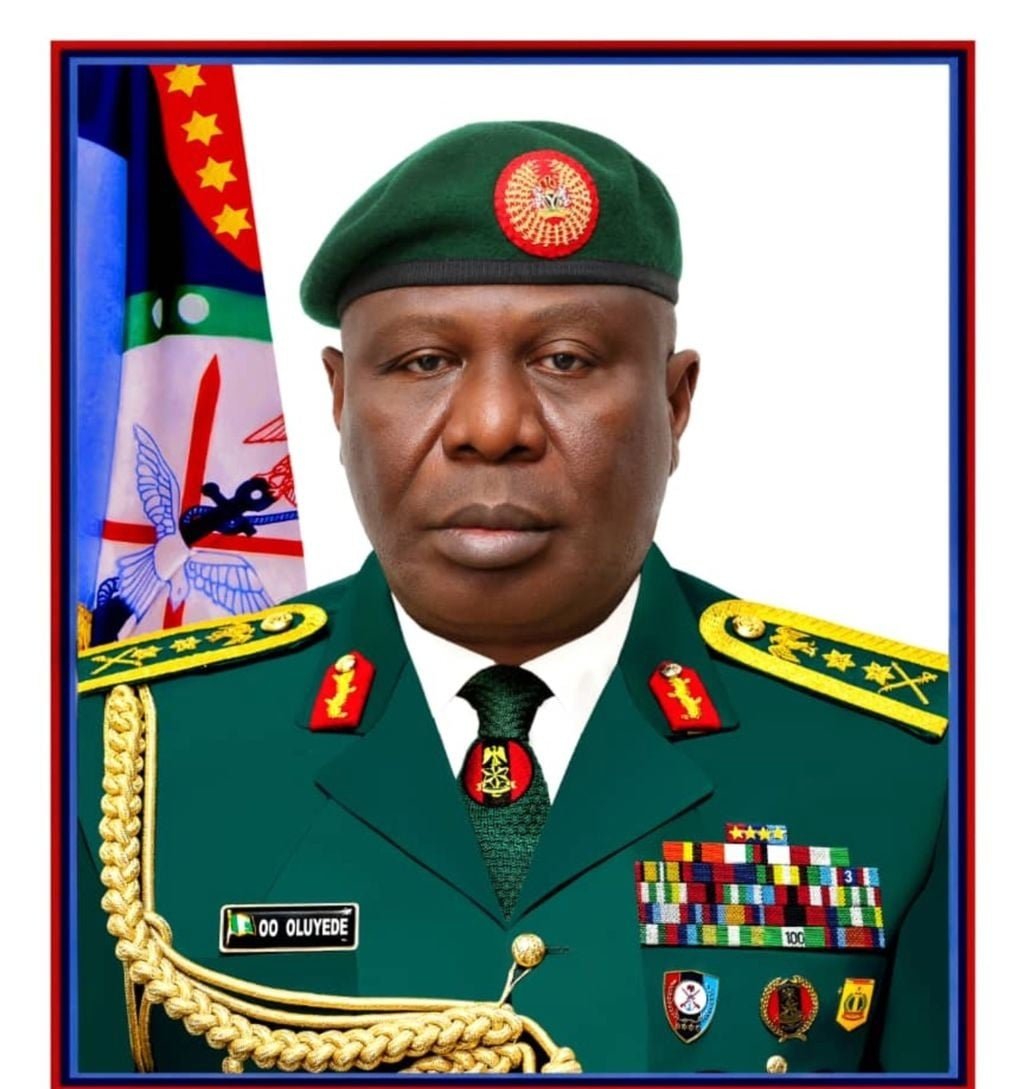
The Chief of Defence Staff (CDS), General Olufemi Oluyede, on Tuesday advocated stronger collaboration between the military and the media to promote national security, build public confidence and counter the spread of misinformation.
Gen. Oluyede made the call while speaking in Abuja at the opening of the Defence Headquarters Strategic Communication Workshop 2026, themed “Enhancing strategic collaboration between spokespersons of security agencies and media stakeholders for accurate and responsible reportage towards improved national security”.
The CDS described the media as a critical line of operation in modern security engagements, noting that contemporary warfare had evolved beyond conventional battlefield operations to include physical, informational and cognitive dimensions.
According to him, the ability to communicate effectively, shape public perceptions and sustain public confidence had become as important as military capabilities in achieving national security objectives.
He said the information domain had become an indispensable instrument for countering threats, addressing false narratives and providing the public with accurate information about military operations.
Gen. Oluyede expressed concern over the growing spread of misinformation and manipulated content, particularly through Nigeria’s expanding media landscape and increased access to information.
He noted that old videos and photographs were sometimes presented as recent incidents, creating unnecessary fear and undermining public confidence.
The CDS also identified artificial intelligence as an emerging challenge, explaining that fabricated images, audio recordings, videos and other artificially generated content could appear authentic to unsuspecting audiences.
Gen. Oluyede therefore urged media practitioners and military communication professionals to strengthen their capacity to identify and verify synthetic content before publication or dissemination. He cautioned against allowing the speed of information dissemination and sensationalism to take precedence over accuracy, credibility and responsible journalism.
He stressed the need for commanders to ensure that information released to the media was accurate, factual and credible, adding that timely and responsible reporting would help the public understand the rationale behind military operations and strengthen trust in the Armed Forces.
However, he emphasised that media engagement and transparency must be balanced with operational security.
According to him, indiscriminate disclosure of troop movements, operational locations, military capabilities and other sensitive information could endanger personnel and compromise ongoing operations.
He maintained that operational security remained a fundamental component of national security and must be respected by all stakeholders.
While reaffirming his support for transparency, access to information and constructive engagement, Oluyede called for sustained interaction, stronger communication structures and specialised training to improve the capacity of military communication professionals and strengthen relations with the media.
The CDS also expressed appreciation to President Bola Ahmed Tinubu, the Commander-in-Chief of the Armed Forces, for providing an enabling environment for the military to discharge its constitutional responsibilities.
He commended the Directorate of Defence Information for organising the workshop, describing it as an important platform for meaningful engagement and the exchange of ideas.
Gen. Oluyede expressed confidence that the knowledge and experiences shared at the workshop would contribute to strengthening cooperation between the security community and the media in advancing Nigeria’s national security objectives.
In his remarks, the Minister of Information, Mohammed Idris, represented by the Director-General of Voice of Nigeria, Mallam Jibrin Baba Ndace, said national security depended not only on operational capacity but also on the quality, accuracy and credibility of information available to the public.
He noted that although the military and the media had different responsibilities, their duties were not in conflict, adding that mutual respect, professionalism and regular communication were necessary for effective collaboration.
The minister urged security agencies to provide timely and credible information, while advising journalists to verify facts, provide appropriate context and avoid reports capable of endangering lives or compromising ongoing operations.
He stressed that responsible journalism should not be mistaken for censorship or an attempt to shield security institutions from legitimate scrutiny.
The minister observed that Nigeria’s security challenges, including terrorism, banditry, kidnapping, organised crime, cyber threats and misinformation, required coordinated responses from all stakeholders.
He warned that silence or delayed communication during major security incidents could create information vacuums that misinformation and speculation would quickly fill.
He disclosed that an official operational update for the first half of 2026 showed that the Armed Forces conducted 14,221 operations between January and June, rescuing 1,516 kidnapped victims.
He urged journalists covering the defence and security sectors to report operational gains alongside existing challenges, noting that balanced reporting was necessary to give the public a comprehensive understanding of the country’s security situation.
Idris also highlighted the Federal Government’s efforts to strengthen media and information literacy, citing the launch of the International Media and Information Literacy Institute, a UNESCO Category 2 institution established in Abuja in April 2026.
According to him, the initiative was designed to promote research, capacity development and international cooperation in tackling misinformation and disinformation.
The minister called on participants at the workshop to develop practical recommendations, including effective communication channels, prompt correction of inaccurate reports and improved understanding of the operational realities confronting both the military and the media.
He maintained that the Armed Forces and the media must work together in the interest of the country, stressing the importance of striking a balance between the public’s right to information and the protection of legitimate security operations.
The workshop brought together senior military officers, serving and retired intelligence officials, defence correspondents, media executives, editors, online publishers and other stakeholders in the security and information sectors.
The speakers expressed optimism that the deliberations would strengthen professional relationships, improve strategic communication and enhance public confidence in Nigeria’s security institutions.
WATCH TOP VIDEOS FROM NIGERIAN TRIBUNE TV