

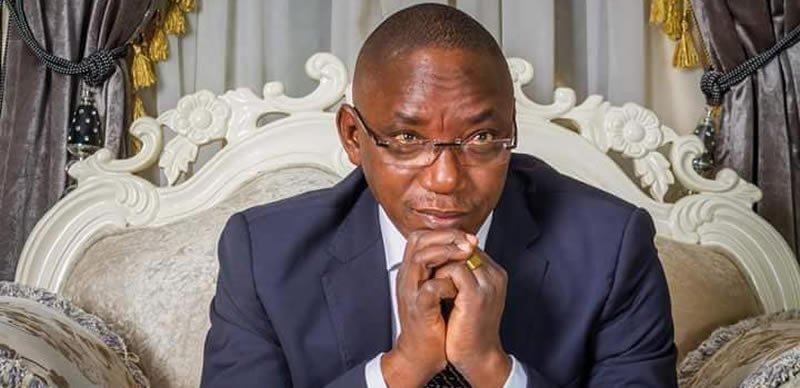
Former Minister of Youth and Sports Development, Solomon Dalung, has questioned the credibility of some Nigerian social media activists following revelations by Abdul Turaki about how he was introduced to Seyi Tinubu.
Dalung raised concerns over what he described as possible contradictions between the public activism of some social media personalities and their alleged political relationships behind the scenes.
In a statement, the former minister said Turaki’s account of how Dan Bello and Sharafadeen introduced him to Seyi Tinubu and encouraged his movement towards the All Progressives Congress, APC, raised questions about the nature of political engagements among online activists.
He noted that Turaki had maintained that he remained a member of the Tinubu Must Go movement despite his reported political engagement with the ruling party.
Dalung also drew attention to Turaki’s comment about individuals who allegedly collected packages, suggesting that whatever they received might have been exhausted by now.
The former minister questioned how individuals could establish themselves as outspoken critics of an administration while allegedly facilitating political connections with the same government.
He said, “How does someone build a public reputation as an uncompromising critic of a government and, at the same time, allegedly facilitate political recruitment into that same government?”
Dalung further questioned whether some social media personalities presented as independent voices were operating with political interests unknown to their followers.
He said the situation raised broader concerns about whether online activism was driven by genuine convictions or negotiations for political relevance, access and personal benefits.
The former minister observed that social media activists had acquired considerable influence over public opinion, particularly among Nigerians frustrated by economic hardship, insecurity, unemployment and other challenges.
He argued that many followers trusted such personalities because they believed their interventions were motivated by public interest rather than private political arrangements.
Dalung said, “If Abdul Turaki’s account is accurate, Dan Bello and Sharafadeen owe their followers an explanation.”
He, however, clarified that the concern was not necessarily their meeting with Seyi Tinubu but the need for transparency regarding political relationships that might exist alongside their public activism.
He urged Nigerians to exercise independent political judgment rather than surrendering their opinions to social media personalities because of their ability to project themselves as representatives of ordinary citizens.
Dalung concluded that the struggle for accountability should not become a commercial enterprise for individuals who claim to be speaking on behalf of the people.