

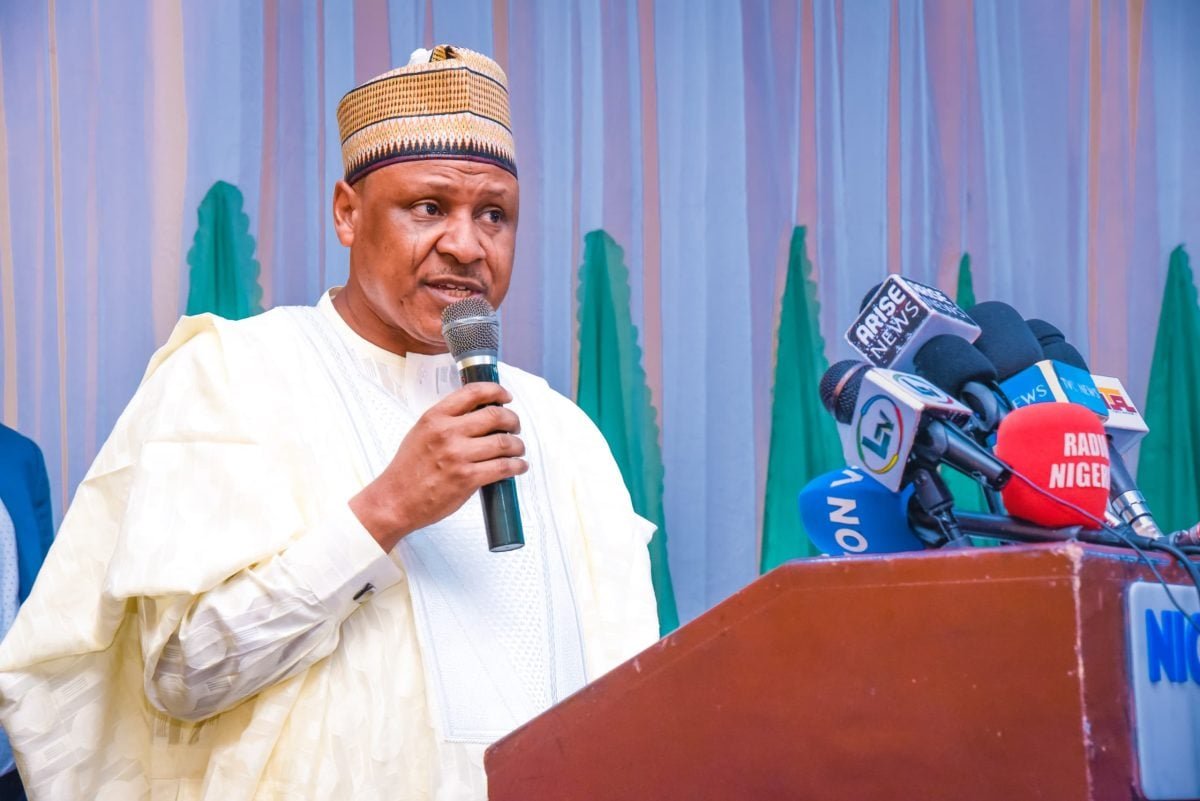
African Ministers of Information have called for a coordinated continental communication framework to combat misinformation, strengthen public trust in government and improve the projection of Africa’s narratives globally.
The call was made at a high-level roundtable on responsible communication held in Abuja during the World Public Relations Forum (WPRF), where ministers and other stakeholders advocated stronger institutional collaboration, professional capacity building and regular consultations among African governments.
Nigeria’s Minister of Information and National Orientation, Mohammed Idris, said the growing influence of digital platforms and artificial intelligence had made credible, transparent and responsible communication increasingly critical to governance and public confidence.
Idris, who cited Nigeria’s experience with manipulated videos and misinformation, warned that false narratives could distort public events, trigger unnecessary panic and undermine citizens’ confidence in government.
“Technology has come to stay. AI is here to help us if we use it properly. The challenge is to ensure that what we communicate is credible and honest,” he said.
The minister called for the revival of structured cooperation among African information managers, noting that the continent previously maintained platforms for collective engagement and policy coordination.
He proposed the revival of the Annual Conference of African Ministers of Information to provide a platform for regular dialogue, policy harmonisation and the development of a common continental position on issues affecting Africa.
“Collectively, we are stronger if we are united. There is a need to establish a robust system that enables us to look at Africa as one and speak with one voice once again,” he said.
Idris also urged African countries to support Nigeria’s UNESCO Category 2 International Media and Information Literacy Institute in Abuja, describing it as a continental resource for promoting responsible information consumption, particularly among young people.
“The Media and Information Literacy Institute is not just a Nigerian institution; it is a global opportunity. We should support it as part of a broader continental effort to promote media literacy, particularly among our young people,” he stated.
He further advocated stronger collaboration among African public media organisations, including Voice of Nigeria (VON), Nigerian Television Authority (NTA), Federal Radio Corporation of Nigeria (FRCN) and News Agency of Nigeria (NAN), through content exchange and the promotion of African perspectives.
Kenya’s Cabinet Secretary for Information, Communications and Digital Economy, William Kabogo Gitau, highlighted his country’s National Communication Policy, adopted in August 2026, as part of efforts to improve government communication and strengthen public engagement.
Kabogo disclosed that Kenya was also planning to establish a National Communication Centre to provide verified government information and create an effective channel for citizens’ feedback.
He advocated professional regulation of public relations practice and stronger cross-border collaboration among African countries to address misinformation.
“Trust between a state and its citizens is built through ordinary interactions: a question answered accurately, a service delivered as promised, and the same message from every part of the country. One government, one message, consistent,” he said.
Similarly, the Minister of Communication and Media and Government Spokesperson of the Republic of the Congo, Thierry Lézin Moungalla, called for a continental framework to institutionalise ministerial consultations, professional training, public-private media partnerships and joint content production.
Moungalla argued that government communication should no longer be treated as a peripheral public relations activity but integrated into the core administrative and strategic operations of government.
“Government communication is no longer simply a public relations function. It must be strategic and structural, embedded in the framework of government administration,” he said.
Zimbabwe’s Deputy Minister of Information, Publicity and Broadcasting Services, Dr Omphile Marupi, stressed the importance of grassroots communication structures in ensuring that government information reaches citizens across communities.
He cited Zimbabwe’s 16 community radio stations as important platforms for inclusive communication, while calling for stronger media literacy, ethical journalism and greater African ownership of the continent’s narratives.
“We must communicate not simply to be heard, but to be understood. We must not only disseminate information, but also listen, engage and respond to the concerns of our people,” Marupi said.
The Chairman of the Information and Communications Committee of Ghana’s Parliament and Member of Parliament representing Bunkpurugu Constituency, Dr Abed-Nego Lamangin Bandim, called for increased investment in government communication, expanded rural connectivity and improved welfare for journalists.
Bandim disclosed that Ghana had earmarked 10 million Ghana cedis in its 2027 budget for journalists’ training, professional development and welfare.
He said adequate funding and improved working conditions for media professionals were critical to strengthening credible journalism and ensuring citizens’ access to reliable information.
“We cannot succeed with inadequate budgetary allocations for government communication. We must also ensure that journalists are properly supported and remunerated if we expect them to produce credible and independent information for our people,” he said.
Nigeria also indicated its readiness to host the next meeting of African Ministers of Information to sustain the discussions and translate the proposals into concrete continental initiatives.
The roundtable ended with participants committing to deepen cooperation among African governments and communication institutions, strengthen professional standards and develop coordinated responses to misinformation and disinformation.
The proposed framework is expected to provide a platform for knowledge sharing, policy coordination, media literacy promotion and the development of credible African narratives amid an increasingly complex global information environment.
WATCH TOP VIDEOS FROM NIGERIAN TRIBUNE TV