

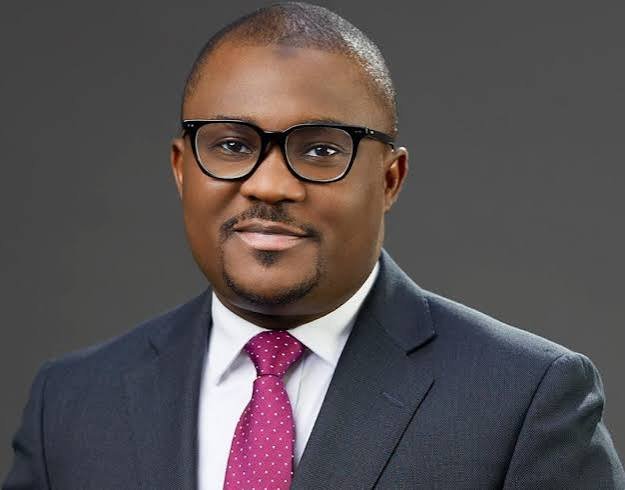
The Executive Secretary and Chief Executive Officer of the Financial Reporting Council of Nigeria (FRC), Dr. Rabiu Olowo, says Africa is losing out on global climate finance because the continent has not been able to properly measure and report its sustainability efforts.
Speaking on “Bridging The Gap Between Climate Commitments and Delivery in Antalya, Türkiye”, Olowo said the core problem facing the world is not a lack of climate promises but a failure to deliver on them and follow up on them.
“Promises are not the problem. Implementation is the problem. Follow-up is the problem,” he said.
“And from a financial reporting and regulatory perspective, how do we ensure that organisations don’t just make sustainable promises, but they actually deliver on them?”
Olowo said climate change affects every aspect of life, including public infrastructure, food security, health and economics. He said countries gather every year at COP to review, negotiate, and advance global efforts to combat climate change.
“It affects every phase of our life—from public infrastructure to food security to health and even economics.”
ALSO READ: Tinubu approves establishment of inland dry port in Kebbi
He disclosed that less than 4% of global climate finance comes to Africa, despite the continent bearing a significant impact of climate change.
According to him, the reason is that Africa does not yet speak the language of sustainability and does not know how to account for its climate-related disclosures and practices.
“We don’t know how to speak the language of sustainability. We don’t know how to account for our climate-related disclosures and practices. So at the Financial Reporting Council, we are spearheading this.”
He said the FRC is spearheading the mainstreaming of the adoption of the International Sustainability Standards Board (ISSB) sustainability disclosure standards in Nigeria to ensure companies can measure and report their climate and sustainability-related risks and opportunities.
“At the end of the day, you have to be able to measure it, and you have to be able to report it. And that’s where we come in.”
Olowo explained that the FRC has developed a roadmap for adoption of the standards, starting with a voluntary phase for Public Interest Entities — companies whose activities significantly affect issues such as erosion, flooding, air pollution and climate.
He said four companies have already come forward as early adopters, including MTN, which was one of the first to commit to measuring its sustainability footprint.
He said the FRC is providing advocacy, training and capacity building to help organisations understand the standards.
“We are providing the necessary advocacy that is needed for everyone to understand this important topic. A lot of training, a lot of capacity building.”
He said the roadmap will move to a mandatory phase by 2028, when the FRC, as regulator, will hold companies accountable for reporting and disclosing their climate-related and sustainability-related risks and opportunities so that stakeholders, especially investors, can make informed decisions.
“That is where we, as a regulator, hold every company accountable for reporting, for ensuring that they disclose their climate-related risks and opportunities and sustainability-related risks and opportunities so that at the end of the day, their stakeholders, especially investors, can make informed decisions.”
He said the Council is taking a strong stance against greenwashing to prevent organisations from making false sustainability claims.
“We are pulling a very, very big stick on preventing greenwashing within this space.”
On the challenge of Nigeria’s reliance on fossil fuels, Olowo said the transition must be managed in a way that recognises the country’s economic realities while pushing toward sustainable practices and clean energy, with COP31 expected to help African countries manage that transition.
He said the focus of the FRC is to ensure that companies and local communities are able to focus every aspect of their livelihood on sustainable practices.
“We are focusing on ensuring that companies and local communities are able to focus every aspect of their livelihood on sustainable practices.”
WATCH TOP VIDEOS FROM NIGERIAN TRIBUNE TV