

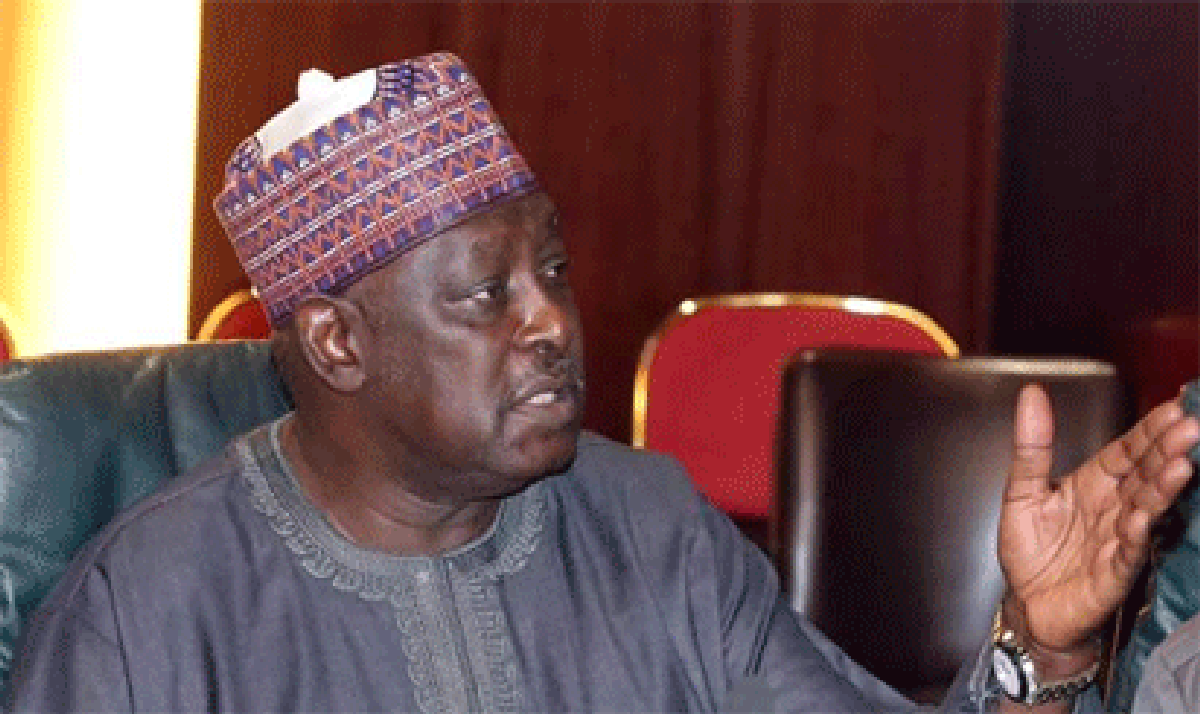
According to the former Secretary to the Government of the Federation, political parties should be understood as large organisations where individuals have different expectations, interests and motivations.
He explained that while some people enter politics to contribute to society, others are primarily motivated by personal benefits, making defections inevitable when their expectations are not met.
“Nigeria is like a big company. You’re running a big company, political parties, and you have people. People come in there with their own different ideas of what they can get out of it, or what they can put into it.
“I like to say that the majority of Nigerians join politics to get something out. A number, another category, join politics to put something into it.”
Lawal maintained that individuals who join political movements expecting appointments, financial benefits or other opportunities may eventually leave when those expectations are not fulfilled.
“Now, if you are the getting-out type, and you go in, and you don’t get anything, it’s only natural you move,” he said.
He illustrated his argument with the experience of workers changing employers in search of better opportunities, stressing that political loyalty should not be expected to remain permanent when individual interests change.
“When we started work as engineers, we started on level eight. We change companies. We go to where they give us level 12. We change companies where they give us level two. That is life. You cannot be static.”
Beyond individual ambitions, Lawal identified the financial limitations of the Obi-Kwankwaso movement as another possible explanation for the departure of some of its prominent members.
He admitted that the movement does not have the financial resources associated with some established political platforms, arguing that individuals who joined with expectations of financial support could become frustrated.
“Now, that is number one. Number two, I must confess that around the Obedient system, it is not awash with money and people have families to feed, they have bills to pay, and if they join the Obedient system, hoping to get the resources to settle these, they will be disappointed. So they have their reasons for it.”
The NDC chieftain also questioned the tendency of political actors to exaggerate their personal contributions to electoral victories, insisting that no individual should have the exclusive right to determine how valuable their contribution was to a political movement.
Drawing from his experience as Secretary to the Government of the Federation, Lawal recalled encounters with individuals who claimed to have played decisive roles in President Muhammadu Buhari’s electoral victories.
He said some would arrive with claims that they had financed campaigns, organised meetings or mobilised supporters, each presenting their contribution as indispensable.
Lawal recalled, “Somebody will just walk into the office or with a paper and say, ‘I worked for Buhari. Without my vote, Buhari would not have won one vote.’ Somebody says, ‘I spent one billion naira on Buhari.'”
He said such claims often overlooked the sacrifices of ordinary supporters who contributed to the success of political campaigns without demanding recognition or rewards.
According to him, political leaders must be allowed to independently assess the contributions of individuals rather than surrendering that responsibility to those seeking recognition.
“So why do I give such people? So the person himself, the candidate himself, should be given the liberty to assess your input into the system. He must be given that right to decide.”
He further compared political leadership to corporate management, arguing that allowing every individual to determine their own value would produce unrealistic assessments.
“It’s like every chief executive, not every worker. If you give every worker assessment of him to assess himself, they come back with 100%.”
Lawal’s comments offer a different perspective on the growing debate surrounding defections from Obi’s political camp, particularly as the movement faces questions about its ability to retain influential figures and maintain its political momentum.
While he acknowledged the financial challenges confronting the movement, he maintained that political departures should be understood within the broader realities of Nigeria’s political environment rather than treated as automatic evidence of organisational failure.