

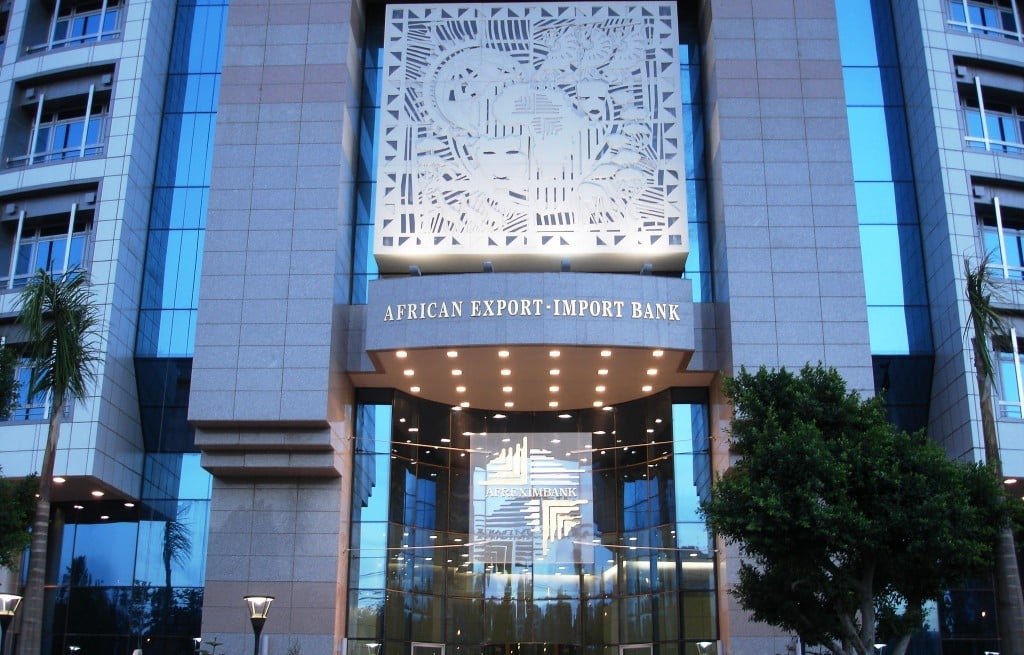
African Export-Import Bank (Afreximbank) has unveiled a $2 billion financing facility for bankable projects across African states and local governments, assuring sub-national authorities that funding will no longer be a major constraint to economic development.
The bank disclosed this at the opening of the sixth African Sub-Sovereign Conference Network (AFSNET) in Calabar, Cross River State, on Thursday.
The three-day conference, holding from November 12 to 14, has attracted governors, premiers, and other sub-national leaders, policymakers and investors from across Africa.
ALSO READ: Food insecurity worsens child malnutrition in North-East – UNICEF
Speaking at a pre-conference briefing, Afreximbank’s Director of Trade Facilitation and Investment Promotion, Dr Gainmore Zanamwe, said the facility was designed to support projects capable of promoting trade, investment, industrialisation and export development at the sub-national level.
He explained that AFSNET was established in 2021 after the bank recognised the need to extend its engagement beyond national governments and major business organisations to states, provinces, counties and other grassroots administrative structures.
According to him, sub-national governments control critical resources, including land, infrastructure and natural assets, which can be harnessed to boost production, processing and the export of value-added products.
Zanamwe said the initiative would also help states understand and take advantage of the African Continental Free Trade Area (AfCFTA) agreement by developing their capacity to produce and export goods across African markets.
He urged state governments to identify viable projects and take advantage of the $2 billion facility, stressing that the funding was available to eligible states across the continent.
“Some people say funding is a problem; from Afreximbank, we say no. The $2 billion is there. Go and tell your people that money is there,” he said.
On Cross River State, Zanamwe said the bank was impressed by the state’s agricultural potential, particularly its capacity for palm oil production and other agricultural commodities.
He identified agriculture, tourism, culture and the creative industry, including the annual Calabar Carnival, as viable sectors capable of attracting investment and benefiting from the bank’s intervention.
He said the conference would provide participating states with practical guidance on identifying priority sectors, developing bankable projects and preparing investment proposals capable of attracting financing.
Zanamwe disclosed that November 12 would feature training sessions on project identification, investment promotion and the preparation of pitch decks, while governors would present their investment opportunities at the opening ceremony on November 13.
The final day’s sessions on November 14 would focus on developing a pipeline of bankable projects and creating an enabling environment for investment.
He also advocated greater intra-African investment, describing the concept as Africa Direct Investment, where African investors are encouraged to invest across the continent and enjoy incentives comparable to those extended to investors from Europe and America.
He said investors from other African countries should be accorded favourable treatment, noting that their familiarity with the continent’s business environment, culture and markets could strengthen regional economic integration.
The Afreximbank official further disclosed that AFSNET had facilitated investment opportunities worth more than $3 billion over the past five years, trained over 2,000 people in investment promotion and engaged approximately 21 African countries.
He commended Governor Bassey Otu for his efforts in bringing the conference to Calabar and supporting preparations for the event.
Also speaking, Cross River State Commissioner for Information Pastor Ekpenyong Cobham said the state government was pursuing a deliberate economic development strategy aimed at building a self-sustaining sub-national economy.
Cobham said the administration was prioritising the processing of the state’s agricultural and natural resources to meet international standards and improve their competitiveness in regional and global markets.
He said the conference presented an opportunity for Cross River to attract investors, strengthen partnerships, and reposition its economy through value addition, industrialisation and sustainable investment.
The commissioner urged journalists and participants to take advantage of the conference to engage stakeholders, build partnerships, and explore investment opportunities in the state.
WATCH TOP VIDEOS FROM NIGERIAN TRIBUNE TV