

The Confederation of African Fashion (CAFA) is targeting the growth of Africa’s estimated $30 billion fashion industry into a $500 billion economy through a comprehensive development roadmap to be unveiled at the CANEX Weekend 2026 in Lagos State.
The initiative, which seeks to reposition Africa’s fashion industry as a major driver of economic growth, trade and employment, will be presented at a joint exhibition stand established by CAFA and the Federal Ministry of Art, Culture, Tourism and the Creative Economy on 5 November 2026.
The unveiling, scheduled to coincide with CAFA’s first anniversary, will take place at the Wole Soyinka Centre for Culture and the Creative Arts, formerly known as the National Arts Theatre, Lagos, with the organisation inviting fashion stakeholders, investors, policymakers and international partners to explore opportunities within the proposed framework.
CAFA President, Aare Lai Labode, said the organisation was working with African governments to harmonise policies on sourcing, production, trade and intellectual property to ensure that the continent derives greater economic benefits from its creative industries.
He explained that the initiative was designed to move African fashion beyond creativity and cultural expression towards a structured industrial economy capable of generating wealth, creating employment and strengthening the continent’s participation in international trade.
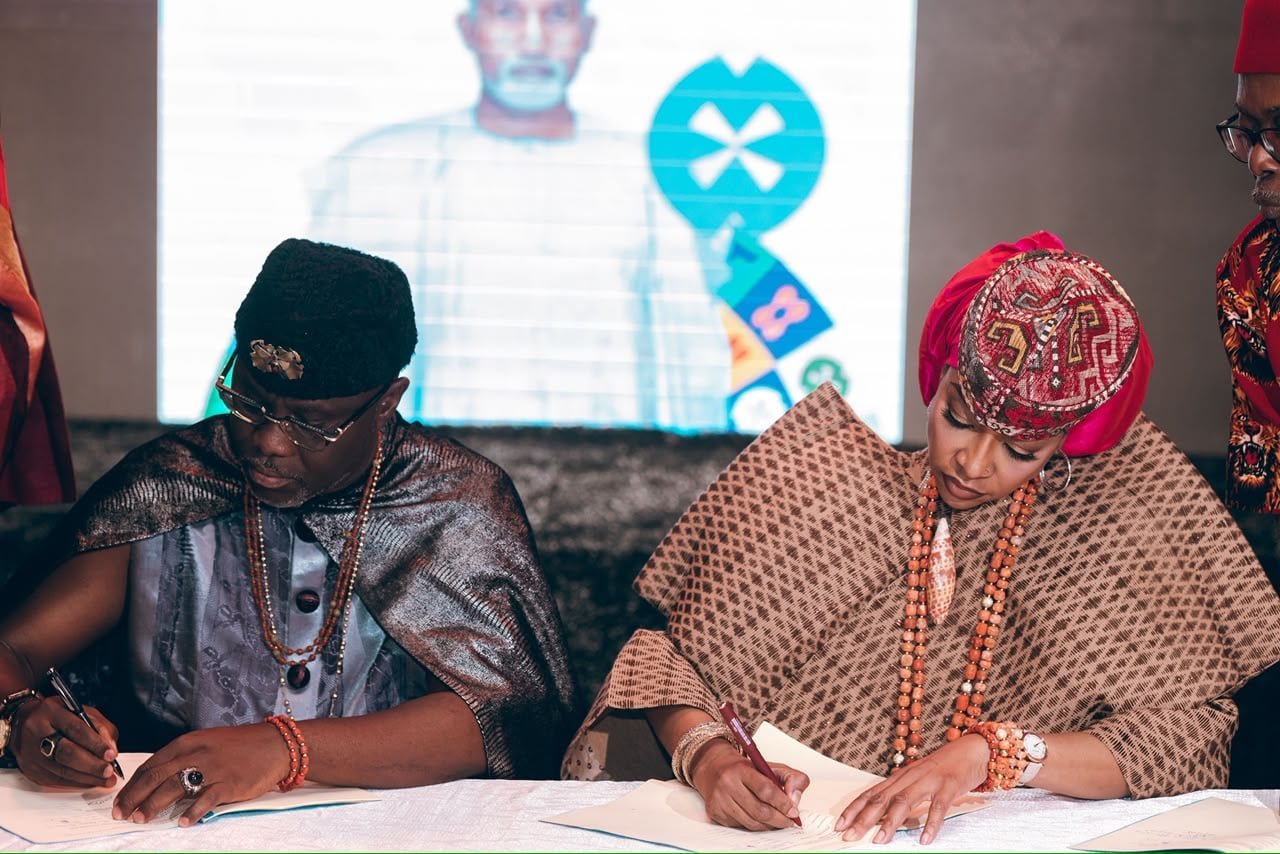
Nigeria became the first country to sign the African Fashion Industry Growth Charter on 5 November 2025, when the Minister of Art, Culture, Tourism and the Creative Economy, Barr Hannatu Musa Musawa, signed the document on behalf of the Federal Government.
Speaking ahead of the unveiling, Musawa said the initiative, known as Afroliganza, was aimed at establishing a sustainable fashion economy anchored on African heritage and driven by indigenous institutions.
“Afroliganza seeks to build a structured, values-driven fashion economy rooted in African heritage, led by African institutions, and positioned for global impact,” she said.
The Minister further stressed that strategic investments in the fashion industry could generate millions of employment opportunities, particularly for women and young people, while strengthening local manufacturing and expanding the economic contributions of the creative sector.
Registered in Rwanda, with its headquarters in Kigali and a desk at the Federal Ministry of Art, Culture, Tourism and the Creative Economy, CAFA is also collaborating with Nigeria’s Ministry of Foreign Affairs to secure the African Union’s adoption of the Charter. Rwanda is equally progressing towards becoming the second participating country and the first in East Africa.
Within its first year, the organisation brought together 50 nations at the Egbaliganza-Lisabi Festival in Abeokuta and signed a memorandum of understanding with Türkiye’s ASRIAD.
As part of its industrial development strategy, CAFA is promoting the local processing of African raw materials into finished fashion products, while its “Own What We Create” initiative seeks to strengthen intellectual property protection.
The organisation is also introducing the CAFA Certified Seal and CAFA Heritage Mark to promote quality standards and authenticity, alongside the establishment of African Global Fashion Houses in international markets.
Another major component of the roadmap is the African Global Fashion Games, scheduled to debut in Nigeria in 2028.
The competition, which will hold every three years and alternate between African and international host countries, will bring designers together under their respective national colours, combining creative competitions with investor engagements, business deals and policy discussions. Its Instant Craft event will challenge competing countries to produce designs using identical materials within a fixed period, placing emphasis on craftsmanship and technical skills.
Labode urged African governments to support the adoption of the Charter and encourage participation in the Games Register by establishing national teams, stressing that the continent must begin to translate its creative resources into measurable economic value.
“Fashion has always told the world who Africa is. Now Africa will decide what fashion pays,” he said.
CAFA consequently called on fashion designers, artisans, creatives, diplomats, economists, investors and policymakers to visit its exhibition stand throughout the four-day CANEX Weekend, scheduled to hold from 5 to 8 November, to explore the roadmap and identify opportunities in design, manufacturing, investment, research, trade and international partnerships.
WATCH TOP VIDEOS FROM NIGERIAN TRIBUNE TV