

The National Blood Service Agency (NBSA) has raised the alarm over Nigeria’s inadequate blood supply, disclosing that its centres collected only between 24,000 and 25,000 units of blood in 2025, far below the quantity required to meet the needs of a population of over 200 million.
- ALSO READ: Blood test errors: 4 warning signs Nigerians should not ignore
- ALSO READ: Ultimate local diet guide to managing high blood pressure naturally
The agency said the shortfall underscored the urgent need to increase voluntary, non-remunerated blood donation, noting that Nigeria required at least two per cent of its population to donate blood to improve availability and ensure timely access to transfusion services.
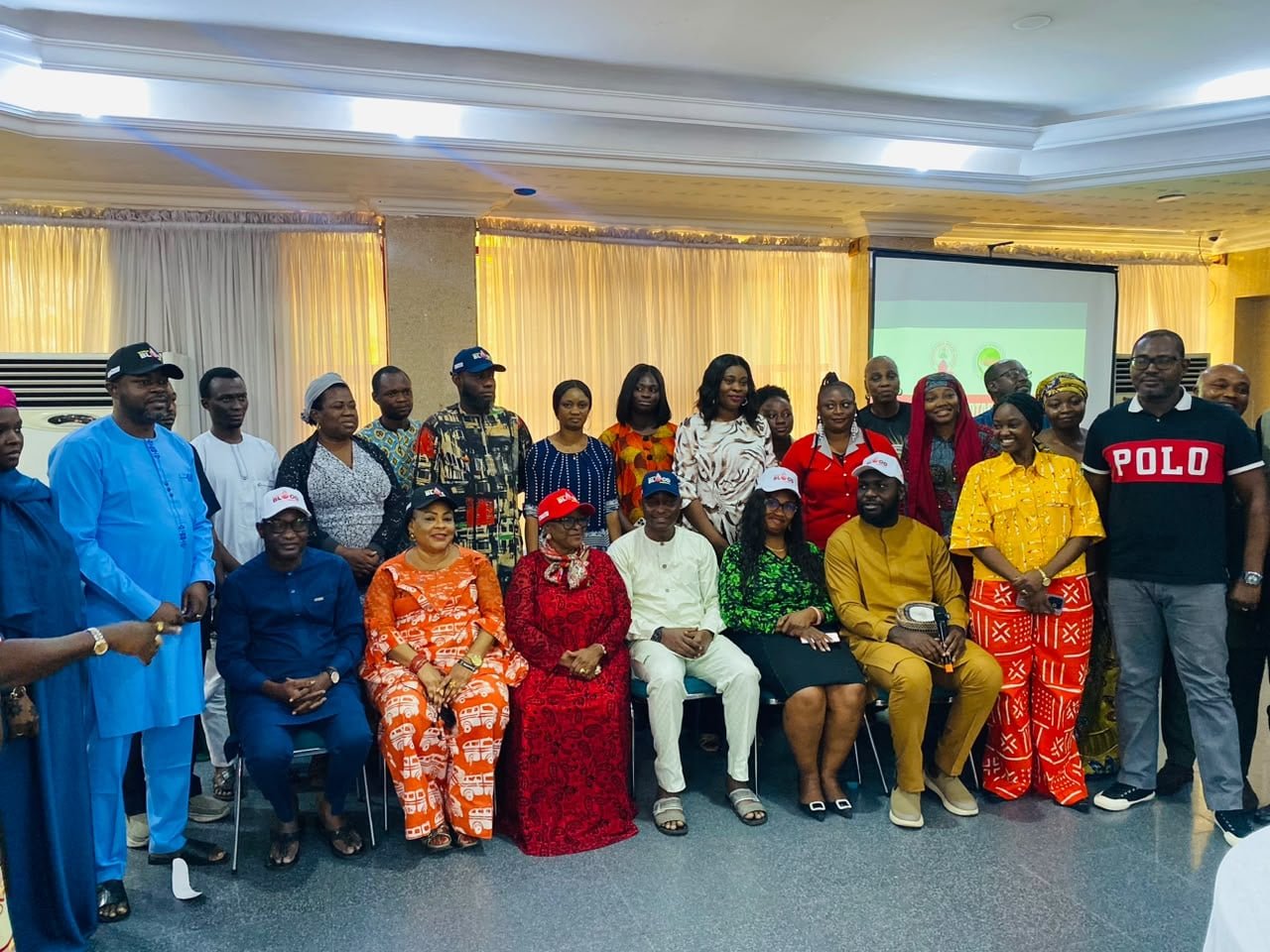
The Director-General of the NBSA, Prof. Saleh Yuguda, who was represented by the Head of Operations Centre, Dr Aliyu Dahiru Waziri, disclosed this at a media roundtable on voluntary blood donation organised by the agency in collaboration with the International Society of Media in Public Health (ISMPH).
ALSO READ: Blood test errors: 4 warning signs Nigerians should not ignore
Yuguda said despite the agency’s efforts to improve blood collection and strengthen transfusion services, inadequate voluntary donations remained a major obstacle to achieving sufficient national blood reserves.
He said, “Although the agency has been doing quite a lot in the past few years to make sure this mandate is being met, we still have some challenges when it comes to the total units of blood we are able to generate.
“As of last year, if we only take the census in the National Blood Service, we will only be talking about 24,000 or 25,000 units of blood generally. But when having a population of more than 200 million people, we should be talking about at least two per cent of our population giving blood. So there is a huge gap that we need to fill.”
Waziri said the agency was strengthening its regulatory and monitoring framework to improve the safety, quality and traceability of blood collected and distributed across the country.
He disclosed that the NBSA was introducing a digital platform, the National Blood Management System, to monitor the collection, processing, distribution and use of donated blood.
According to him, the electronic system would make it possible to trace every unit of blood from the donor to the recipient and identify the source of any complications arising from transfusion.
“One, we are trying to digitalise the process of collection, monitoring and even ensuring the safety of the blood through the programme that we call the National Blood Management System. It is an electronic system that will be able to track every unit from the donor to the person who receives the blood. And should there be a problem, we will be able to track that unit back to the person that donated the blood,” he said.
ALSO READ: Ultimate local diet guide to managing high blood pressure naturally
He added that the agency was strengthening the registration and regulation of public and private blood banks, stressing that hospitals and blood transfusion establishments must register with the NBSA to ensure compliance with approved standards.
Waziri also said the agency was expanding its hospital linkage programme to improve blood distribution and prevent improper transportation and storage.
He explained that individuals collecting blood from NBSA centres in ordinary coolers without adequate arrangements for maintaining the required temperature could compromise its quality and safety.
“What we are trying to avoid now is for individuals to come on their own to the National Blood Service Centres with coolers to say they are going to collect blood. It is not right,” he said.
Under the hospital linkage arrangement, registered health facilities would communicate their blood requirements to the agency to enable it to forecast demand and organise distribution more effectively.
Waziri also called for government intervention to make blood available free of charge, arguing that removing financial barriers would improve access for patients requiring transfusion and encourage a stronger culture of voluntary donation.
On capacity development, he disclosed that the agency, in collaboration with international partners, had trained personnel from 30 institutions on safe blood donation procedures and clinical transfusion practices.
He said the programme also included training auditors to assess blood transfusion practices in hospitals and ensure compliance with established safety standards.
The NBSA official further announced plans to establish stem cell and blood banking services, including a database of potential stem cell donors to support patients requiring stem cell transplantation.
He said the initiative would also explore cord blood banking, which involves preserving stem cells collected from umbilical cord blood after childbirth for possible medical applications.
He urged journalists to help address cultural misconceptions surrounding cord blood collection and related medical procedures, noting that public education would be essential to the success of the initiative.
Earlier, veteran journalist and health communication advocate, Moji Makanjuola, urged media organisations to intensify advocacy for voluntary blood donation, describing public enlightenment as critical to addressing the country’s blood shortage.
Makanjuola said journalists should consistently educate Nigerians on the importance of blood donation, eligibility requirements, approved donation centres and the need to donate voluntarily without expecting financial rewards.
She identified misinformation and cultural misconceptions as major barriers to voluntary donation, noting that some Nigerians wrongly believed that donating blood caused weakness, infertility, illness or permanent loss of blood.
She urged journalists to counter such beliefs with accurate information from healthcare professionals and blood transfusion experts, while educating the public on donor screening and the prevention of transfusion-transmissible infections.
Makanjuola also called for improved healthcare infrastructure, particularly at the primary healthcare level, where inadequate electricity and blood storage facilities could undermine the availability of safe blood.
She urged journalists to investigate conditions in healthcare facilities and hold policymakers accountable for ensuring that hospitals had functional blood banks and appropriate equipment.
The health communication advocate further stressed the need for sustained blood donation campaigns throughout the year rather than relying on emergency appeals when patients urgently require transfusion.
“Journalists should encourage people to become regular voluntary blood donors rather than donating only during emergencies. This helps to maintain a stable supply of safe blood in hospitals and blood banks,” she said.
Also speaking, Isah said Nigeria faced a 40 per cent shortfall in its required national blood reserves, identifying dependence on family replacement donations as one of the challenges affecting access to blood.
He said the campaign was aimed at changing the practice whereby patients’ relatives were often compelled to search for donors when blood was urgently required in hospitals.
Isah identified misinformation, cultural beliefs and fear as major obstacles to voluntary blood donation, citing misconceptions that women should not donate blood and that blood banks sold donated blood or that donated blood could be used for rituals.
He said the campaign would deploy radio dramas, jingles, infographics, television programmes and social media content, alongside translations into local languages, to reach wider audiences.
He described voluntary blood donation as a safe and selfless act capable of saving lives, urging Nigerians to donate regularly rather than waiting for emergencies.
Similarly, the President of the Association of Nigerian Health Journalists (ANHEJ), Joseph Kadiri, described voluntary blood donation as a humanitarian responsibility that transcended religious, ethnic and political differences.
Kadiri said the availability of blood during medical emergencies should take priority over differences in religion, political affiliation or geographical background.
He reaffirmed the association’s commitment to public education on blood donation, disclosing that the issue would feature at its annual health conference scheduled for November 26.
In her contribution, the Chairperson of the Nigeria Association of Women Journalists (NAWOJ), Anita Obasi, urged journalists to move beyond reporting events and intensify human-interest reporting to encourage voluntary blood donation.
Obasi said journalists must amplify accurate information, challenge harmful misconceptions and promote a culture of regular, unpaid blood donation.
She pledged the commitment of women journalists under NAWOJ to supporting the campaign, calling for sustained collaboration among media organisations and other stakeholders to make voluntary blood donation a national culture.
image
WATCH TOP VIDEOS FROM NIGERIAN TRIBUNE TV