

The Federal Government has reported a 17 per cent decline in Nigeria’s under-five mortality rate between 2018 and 2024 but said neonatal mortality, covering deaths within the first 28 days of life, increased by five per cent over the same period.
The under-five mortality rate fell from 132 deaths per 1,000 live births in 2018 to 110 in 2024, while neonatal mortality rose from 39 to 41 deaths per 1,000 live births, highlighting persistent challenges in newborn survival and access to quality healthcare.
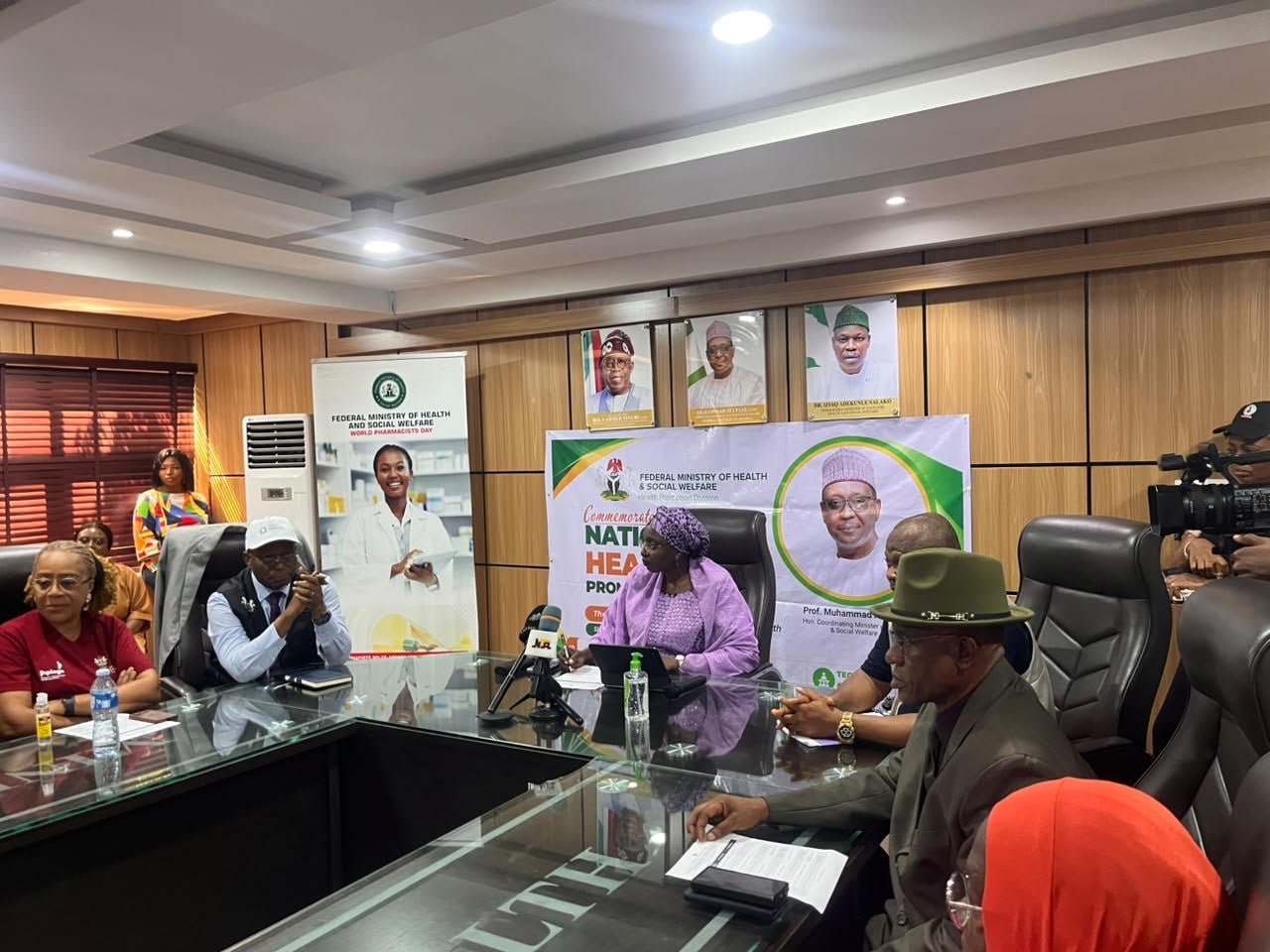
The Permanent Secretary of the Federal Ministry of Health and Social Welfare, Daju Kachollom S., disclosed this on Thursday in Abuja while representing the Coordinating Minister of Health and Social Welfare, Prof. Muhammad Ali Pate, at the 2026 National Health Promotion Day ministerial press briefing.
The event, themed “Health Promotion: Owning My Health,” focused on encouraging Nigerians to take responsibility for their health and embrace preventive healthcare practices.
Presenting the minister’s address, Kachollom said the figures reflected progress in reducing deaths among children under five but underscored the need to intensify efforts to improve newborn survival.
“The 2024 Nigeria Demographic and Health Survey recorded a decline in under-five mortality from 132 deaths per 1,000 live births in 2018 to 110 in 2024,” she said.
“Neonatal mortality remains stubbornly high, at 41 deaths per 1,000 live births compared to 39 in 2018. These figures reflect progress in some areas and persistent challenges in others.”
She said the statistics reinforced the need to accelerate preventive healthcare, promote early diagnosis and ensure timely access to quality medical services.
According to her, Nigeria’s healthy life expectancy at birth stood at 54.1 years in 2023, based on estimates from the World Health Organisation (WHO).
“Health promotion must therefore be understood as a strategic investment in our health system, not merely an awareness campaign,” she said.
Kachollom explained that health promotion empowers individuals and communities to make informed decisions, address health risks and tackle the social, economic and environmental factors that influence their well-being.
She said the Federal Government’s health sector renewal investment initiative prioritised maternal and child health, stronger primary healthcare, expanded immunisation, and the prevention and control of non-communicable diseases.
The initiative also targets reductions in HIV, tuberculosis and malaria, with health promotion expected to encourage early diagnosis and appropriate health-seeking behaviour.
Kachollom added that the ministry and its partners were advancing preventive interventions, including hypertension detection, hepatitis elimination, cervical cancer screening, improved nutrition and immunisation.
However, she stressed that public awareness campaigns would have limited impact without accessible and affordable healthcare services.
“A person who understands the importance of screening must be able to access it. A patient diagnosed early must be able to obtain appropriate treatment. And everyone who enters a health facility must receive safe, respectful and quality care,” she said.
She maintained that health promotion must complement patient care to reduce the physical, mental and financial burdens of illness on individuals and families.
“Our commitment to universal health coverage also requires us to recognise that knowledge alone is insufficient,” she added.
The permanent secretary called for stronger collaboration among government institutions, healthcare workers, families, schools, traditional and religious leaders, the media, civil society organisations and the private sector to improve public health outcomes.
She urged Nigerians to know their health status, participate in recommended screening and immunisation programmes, maintain healthy diets and seek medical attention promptly when necessary.
“Take charge by seeking factual health information, knowing your health risks, participating in recommended screening and immunisation, and seeking medical attention promptly when necessary,” she said.
Earlier, the Director of the Health Promotion Division of the ministry, Mr John Uruakpa, disclosed that more than 20 million Nigerians had been reached with health promotion messages through radio, social media and community outreach.
Uruakpa said Nigeria began commemorating National Health Promotion Day on 29 October 2024, following approval by the 64th National Council on Health.
He described the annual event as an opportunity to strengthen public awareness and encourage healthier choices across the country.
“Health begins with each one of us. When individuals and families know their numbers, make healthy choices and succeed, the whole nation is better off,” he said.
He added that the ministry had strengthened partnerships with stakeholders, trained health educators and community organisers, and introduced initiatives to promote healthier schools and communities.
According to him, the ministry was also working with stakeholders to extend health promotion activities to states, schools, communities and primary healthcare centres, where preventive practices could be integrated into everyday life.
Uruakpa urged Nigerians to embrace the theme of the 2026 commemoration by taking greater responsibility for their health.
The Federal Government said sustained investment in health promotion, stronger primary healthcare and improved access to preventive services would be essential to reducing avoidable deaths and improving health outcomes nationwide.
WATCH TOP VIDEOS FROM NIGERIAN TRIBUNE TV