

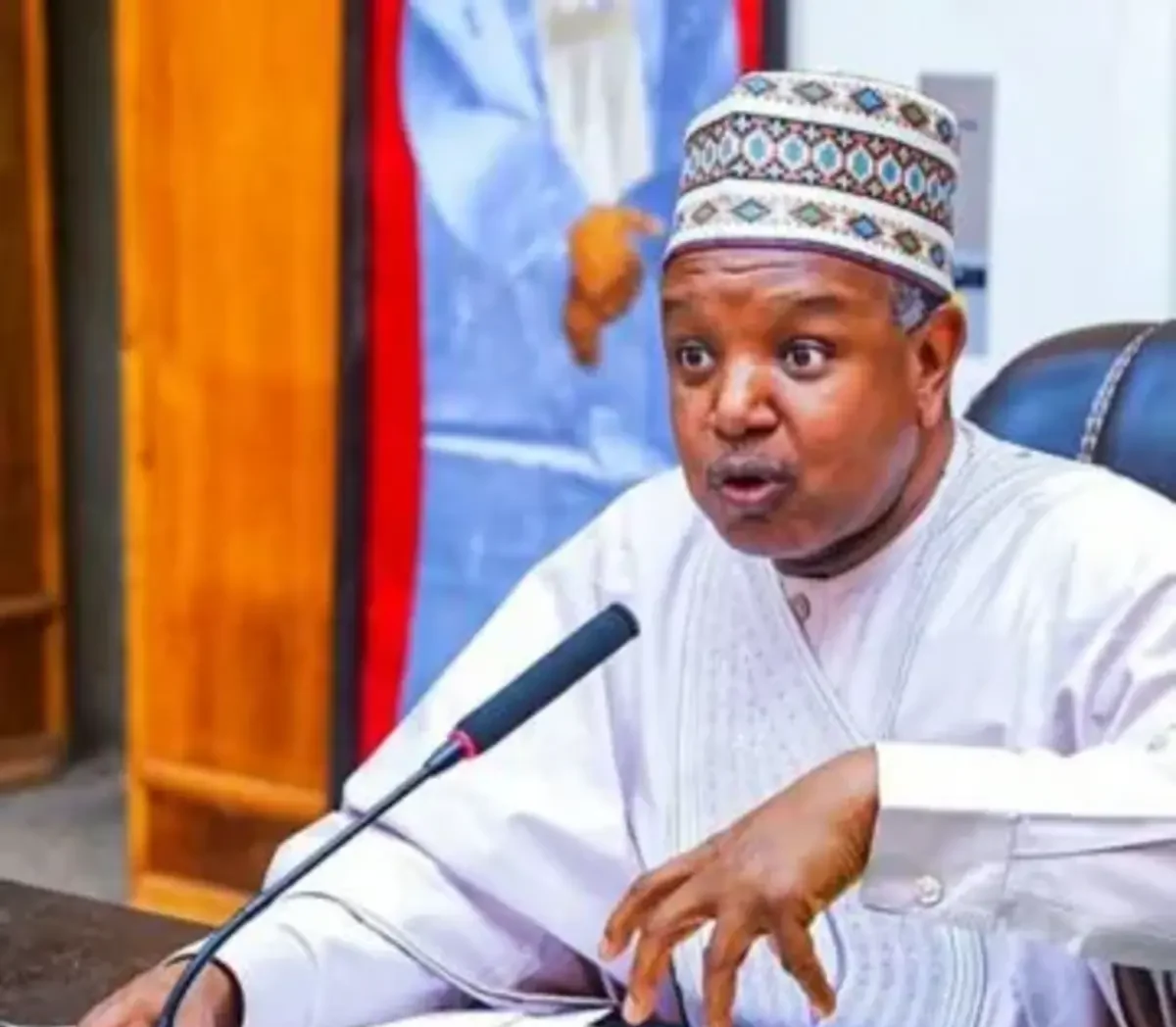
The Minister of Budget and Economic Planning, Senator Abubakar Bagudu, has reaffirmed President Bola Tinubu’s commitment to sustaining Nigeria’s economic reform programme, stating that the administration remains determined to maintain the reform trajectory, improve implementation and address the challenges facing households and businesses.
Speaking at the 32nd Nigerian Economic Summit (NES#32), which began on Monday in Abuja under the theme “Growth That Works: Delivering Jobs, Productivity and Shared Prosperity”, Bagudu emphasised the need to sustain economic reforms.
He recalled that the President had taken deliberate steps to ensure the continuity of the reforms, noting that at a National Economic Council meeting in October 2025, Tinubu presented a memorandum on their sustainability.
According to a statement by the ministry, the minister acknowledged differing opinions on the reforms and the need for a framework to ensure their continuity.
Bagudu stressed that sustaining the reforms would not preclude necessary policy adjustments to respond to prevailing economic realities and improve implementation.
He reiterated the administration’s position, saying, “There will be no return to the fuel subsidy and the economic distortions associated with the previous system.”
He explained that the priority was to consolidate the progress made, tackle the challenges facing Nigerians and ensure that the benefits of economic growth were more widely shared.
“The task before us is to sustain progress, improve implementation, address the challenges facing households and businesses, and ensure that economic growth translates into jobs, productivity and shared prosperity for Nigerians,” he said.
The minister reaffirmed that the Tinubu administration was investing in agriculture, manufacturing, infrastructure, digital technology and human capital to achieve inclusive and sustainable economic growth.
Bagudu also commended the Nigerian Economic Summit Group (NESG) for sustaining a platform for constructive engagement among the government, the private sector, organised labour, academia, civil society and development partners. He noted that the summit offered an important opportunity to examine the country’s economic challenges, assess ongoing reforms and develop practical recommendations to accelerate national development.
The statement further explained that the minister said the Renewed Hope Agenda aimed to reposition the Nigerian economy for sustainable growth by addressing longstanding structural distortions, strengthening the foundations for investment and expanding productive activities.
He emphasised that the ultimate objective was to build a resilient economy that created opportunities, improved livelihoods and delivered tangible benefits to Nigerians.
Bagudu also highlighted improvements in key macroeconomic indicators and increased revenue accruing to the federal, state and local governments. He noted that the additional resources available to subnational governments presented an opportunity to expand infrastructure, improve public services and advance development priorities.
He stated that the distribution of increased revenue across the federation reflected President Tinubu’s commitment to fiscal federalism and the effective functioning of the three tiers of government.
On grassroots economic development, Bagudu highlighted the Renewed Hope Ward Development Plan, which aims to identify and unlock productive opportunities across Nigeria’s 8,809 wards.
He explained that the initiative sought to identify the distinctive economic strengths of communities and develop targeted interventions to stimulate local production, increase household incomes and create employment. Communities with potential in agriculture, fishing, livestock, textiles and other productive activities, he said, required support tailored to their specific needs, resources and opportunities.
According to the minister, unlocking economic potential at the ward level would broaden the foundations of national growth, strengthen local economies and ensure that development opportunities extended beyond major urban centres to communities across the country.
He stressed that a more inclusive growth strategy must recognise local communities’ productive capacity and create pathways for them to participate meaningfully in the national economy.
WATCH TOP VIDEOS FROM NIGERIAN TRIBUNE TV