

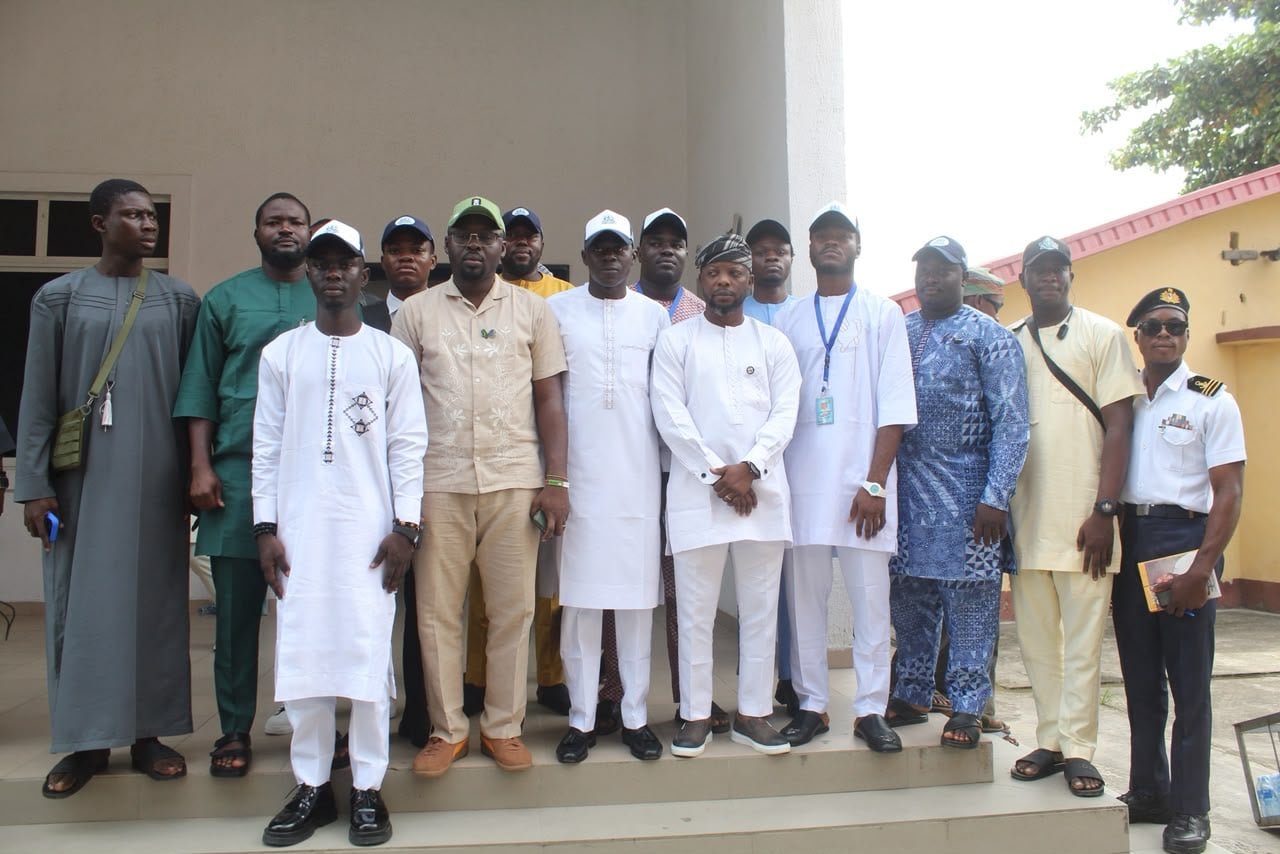
Maritime Students for Tinubu and Hamzat Movement (MSTM) have made a case for regulatory empathy from the Nigerian Maritime Administration and Safety Agency (NIMASA) regarding its recent circular on merchant shipping certifications.
Convener, Omotayo Temitope, made the appeal during the official inauguration of the students’ body in Lagos.
While affirming that the movement fully supports high academic standards, strict compliance, and global integrity within the maritime industry, the Convener stressed that regulatory transitions must not place unfair financial or administrative strain on young seafarers and students who were already progressing under previous training frameworks.
Addressing regulatory executives and industry stakeholders, the Convener highlighted the difficulties created by the new certification requirements and called on NIMASA to establish clear implementation guidelines, provide subsidised access to compulsory new courses, and introduce a structured transitional arrangement. In the same presentation, the Convener expressed a formal vote of confidence in the Special Adviser on Blue Economy to the Lagos State Governor, praising key state initiatives like the Omi EKO Project for unlocking the broader economic potential of local waterways.
He urged the state leadership to deepen partnerships with maritime academies so that students, cadets, and young people from riverine communities can gain direct access to practical sea-time berths and employment opportunities.
Building on the advocacy framework, the National Coordinator of MSTM, Oyewale Elijah Omokoyejo, delivered a comprehensive address appealing directly to the Lagos State Government to consider establishing a dedicated Ministry of Marine and Blue Economy.
ALSO READ: NELFUND: Atiku will grant you debt forgiveness, ADC Campaign DG tells students
The National Coordinator argued that given the state’s vast coastline, busy ports, inland waterways, and fishing communities, creating a specialized ministry would provide a permanent administrative engine to coordinate maritime security, water transport, marine tourism, fisheries, and technical education under one unified mandate.
The National Coordinator emphasised that while MSTM identifies with the political vision of President Bola Ahmed Tinubu and Lagos State Deputy Governor Dr. Kadri Obafemi Hamzat, its ultimate responsibility is to build a lasting institution that serves maritime youth long after election seasons pass. To turn this vision into practical policy, he announced the launch of an intensive three-month engagement campaign across campuses, technical institutions, and riverine communities in Lagos State to gather real-world data from cadets and underserved youth. The findings from this statewide consultation will be compiled into the Maritime Students Agenda, a strategic document to guide future engagements with government agencies and private sector employers.
Concluding their joint declaration, Convener Omotayo Temitope and National Coordinator Oyewale Elijah Omokoyejo insisted that empowering maritime students through fair regulation, dedicated state ministries, and structured career pathways remains essential to building a competitive and resilient national maritime economy. Convener, Omotayo Temitope, made a strong case for regulatory empathy from the Nigerian Maritime Administration and Safety Agency (NIMASA) regarding its recent circular on merchant shipping certifications.
While affirming that the movement fully supports high academic standards, strict compliance, and global integrity within the maritime industry, the Convener stressed that regulatory transitions must not place unfair financial or administrative strain on young seafarers and students who were already progressing under previous training frameworks.
Addressing regulatory executives and industry stakeholders, the Convener highlighted the difficulties created by the new certification requirements and called on NIMASA to establish clear implementation guidelines, provide subsidised access to compulsory new courses, and introduce a structured transitional arrangement.
In the same presentation, the Convener expressed a formal vote of confidence in the Special Adviser on Blue Economy to the Lagos State Governor, praising key state initiatives like the Omi EKO Project for unlocking the broader economic potential of local waterways.
He urged the state leadership to deepen partnerships with maritime academies so that students, cadets, and young people from riverine communities can gain direct access to practical sea-time berths and employment opportunities.
Building on the advocacy framework, the National Coordinator of MSTM, Oyewale Elijah Omokoyejo, delivered a comprehensive address appealing directly to the Lagos State Government to consider establishing a dedicated Ministry of Marine and Blue Economy. The National Coordinator argued that given the state’s vast coastline, busy ports, inland waterways, and fishing communities, creating a specialised ministry would provide a permanent administrative engine to coordinate maritime security, water transport, marine tourism, fisheries, and technical education under one unified mandate.
The National Coordinator emphasised that while MSTM identifies with the political vision of President Bola Ahmed Tinubu and Lagos State Deputy Governor Dr. Kadri Obafemi Hamzat, its ultimate responsibility is to build a lasting institution that serves maritime youth long after election seasons pass.
To turn this vision into practical policy, he announced the launch of an intensive three-month engagement campaign across campuses, technical institutions, and riverine communities in Lagos State to gather real-world data from cadets and underserved youth.
The findings from this statewide consultation will be compiled into the Maritime Students Agenda, a strategic document to guide future engagements with government agencies and private sector employers.
Concluding their joint declaration, Convener Omotayo Temitope and National Coordinator Oyewale Elijah Omokoyejo insisted that empowering maritime students through fair regulation, dedicated state ministries, and structured career pathways remains essential to building a competitive and resilient national maritime economy.
WATCH TOP VIDEOS FROM NIGERIAN TRIBUNE TV