

The Lagos State AIDS Control Agency has warned that stigma, discrimination, gender-based violence and denial of essential services could frustrate efforts to prevent and control HIV in the state.
The agency consequently called for stronger legal and rights-protection mechanisms for people living with HIV and survivors of gender-based violence.
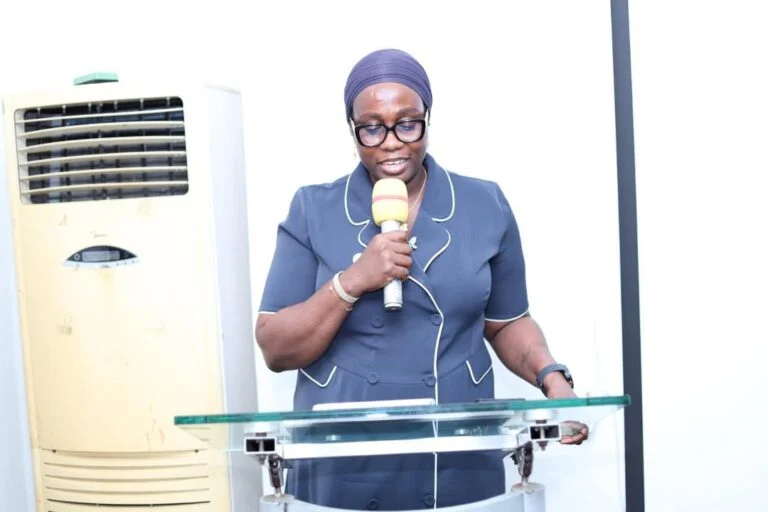
The Chief Executive Officer of LSACA, Folakemi Animashaun, made the call on Thursday at the end of a two-day Legal and Rights Protection Training for GBV focal persons, service providers and linkage officers at the Lagos State Chamber of Commerce and Industry.
In a statement obtained by The PUNCH on Thursday, Animashaun said the overlap between GBV, HIV-related stigma and discrimination required coordinated intervention by government institutions, law enforcement agencies, healthcare providers, community organisations and other stakeholders.
She said although Lagos had institutions specifically mandated to respond to domestic and sexual violence, LSACA also had a responsibility to intervene where GBV, stigma or discrimination was linked to HIV.
According to her, experiences of abuse, discrimination, denial of services and other rights violations could deter people from seeking HIV testing, treatment, care and support.
She said, “Experiences of discrimination, abuse, denial of services and other rights violations could discourage people from seeking HIV testing, treatment, care and support, thereby affecting efforts to achieve better HIV outcomes.”
Animashaun urged stakeholders to strengthen the connection between health services and social protection systems, saying affected persons should be directed promptly to appropriate legal, psychosocial and healthcare support.
She also called for improved case documentation, referral and follow-up procedures to ensure that people requiring assistance were not lost within the system.
A facilitator at the training, Ochibili Chioma, stressed the need for strict confidentiality in handling information disclosed by people living with HIV and survivors of GBV.
Chioma said clients often shared sensitive personal details with service providers and should therefore be assured that such information would be handled responsibly and in accordance with their rights.
She urged the institutions represented at the training to accept shared responsibility for protecting the dignity and rights of people living with or affected by HIV, while ensuring that GBV survivors received coordinated and timely support.
The training, which began on Wednesday and ended on Thursday, was designed to strengthen the capacity of frontline workers to identify rights violations, understand referral pathways and improve access to legal, health and psychosocial services for vulnerable people.