

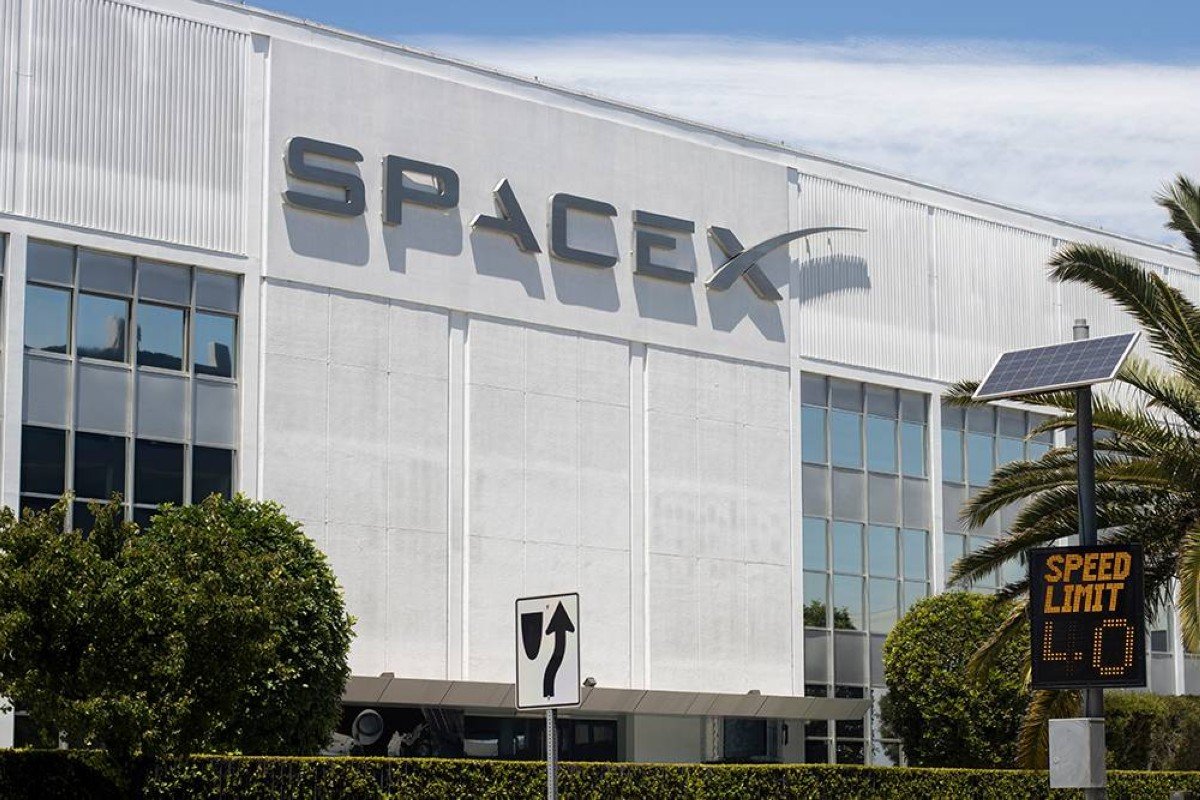
SpaceX has made history with the world’s largest initial public offering (IPO), raising $75 billion in a landmark stock market debut that values Elon Musk’s space and satellite company at approximately $1.8 trillion.
The company priced 555.6 million Class A shares at $135 each ahead of its June 12 debut on the Nasdaq Global Select Market and Nasdaq Texas under the ticker symbol, SPCX, surpassing every previous IPO in terms of capital raised.
The offering marks a moment for the commercial space industry by opening one of the world’s most closely watched private companies to public investors after more than two decades of remaining privately held.
Investor appetite proved strong, with reports indicating demand exceeded $250 billion, which is approxately more than three times the size of the offering as institutional investors rushed to secure allocations.
SpaceX subsequently increased the size of the deal after underwriters exercised their full overallotment option, bringing total gross proceeds to approximately $85.7 billion from the sale of 638.9 million shares.
Founded in 2002 by Elon Musk, SpaceX has transformed the global space industry through reusable rockets, commercial satellite launches and its Starlink satellite internet network.
The company has become a critical launch provider for NASA, the U.S. Department of Defense and commercial customers while expanding broadband access globally through Starlink.
The IPO provides SpaceX with fresh capital to improve development of its next-generation Starship rocket programme, expand its Starlink constellation and invest in future technologies aimed at enabling interplanetary travel.
At its IPO valuation, SpaceX joins the ranks of the world’s most valuable publicly traded technology companies despite remaining unprofitable. The company generated roughly $19 billion in revenue last year, driven largely by Starlink subscriptions and launch services, according to its public filings.
The listing is also expected to increase Musk’s wealth, reinforcing his position among the world’s richest individuals.
A consortium of major investment banks led by Goldman Sachs, Morgan Stanley, BofA Securities, Citigroup and JPMorgan managed the offering. The transaction has already boosted underwriting revenues across Wall Street, with Goldman Sachs reporting a sharp increase in equity underwriting fees following the blockbuster listing.
Since its market debut, however, SpaceX shares have experienced heightened volatility as investors reassess the company’s premium valuation, future profitability and growing competition in the commercial space sector.
The stock has retreated significantly from its post-IPO highs amid concerns over valuation and the potential increase in tradable shares after lock-up periods expire.

Get Newsletter Updates
Enjoying our column?
Subscribe to our specialised **Tech Pulse** feed to receive fresh reports and analyses directly in your inbox.

