

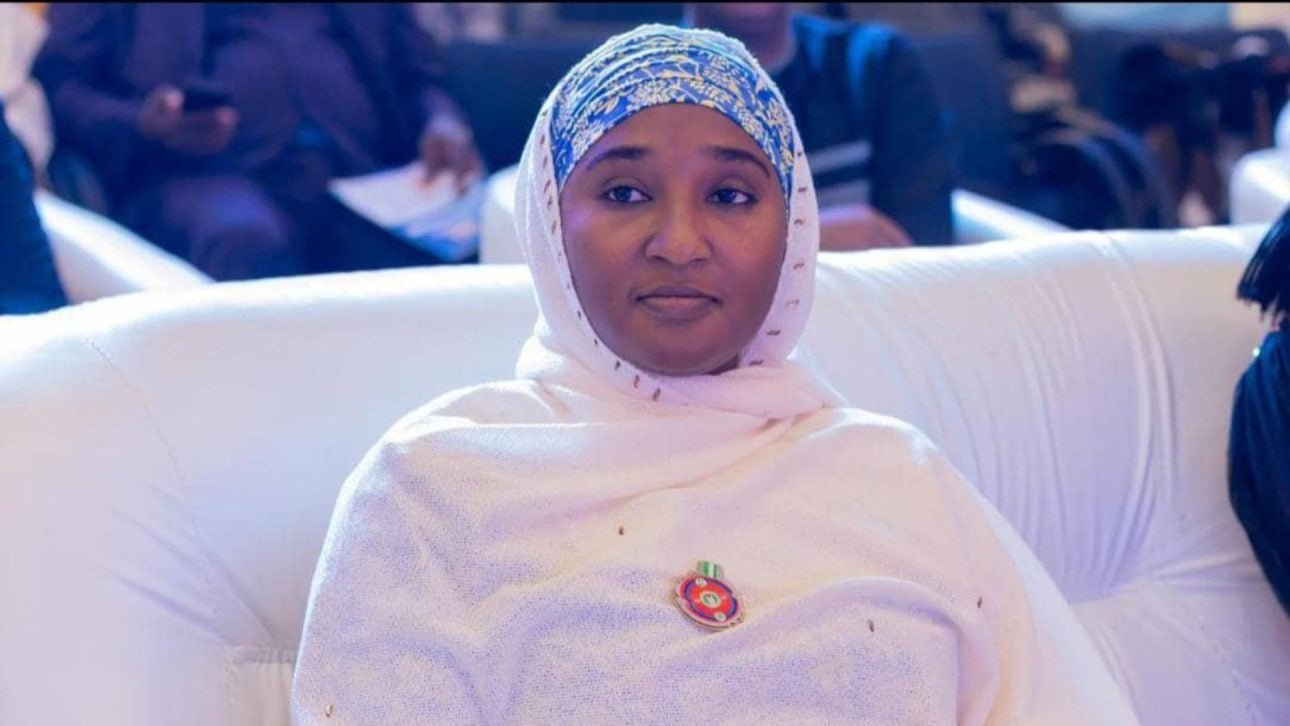
The Minister of State for Education, Professor Suwaiba Ahmad, has said the outcome of the ongoing 2026 National Learning Assessment (NLA) will shape future education policies and interventions aimed at improving learning outcomes across Nigeria.
Speaking during an inspection of schools participating in the assessment in Ringim Local Government Area of Jigawa State, the minister said the exercise, being conducted as part of National Learning Assessment Week, is designed to provide the Federal Government with credible data on students’ academic performance at critical stages of their education.
She explained that the assessment is the first unified national learning evaluation coordinated by the Federal Ministry of Education, covering Primary Five, Junior Secondary School Two (JS2) and Senior Secondary School Two (SS2) in both public and private schools nationwide.
According to her, the Federal Government initiated the exercise to establish a comprehensive benchmark for measuring learning achievement and to guide evidence-based planning in the education sector.
Professor Suwaiba, who inspected three schools—two secondary schools and one basic education school—expressed satisfaction with the conduct of the exercise.
“The examination commenced on schedule, students were orderly and the conduct has been smooth in all the schools visited. This gives us confidence that the assessment will produce credible results that will enable government to make informed decisions on improving the quality of education,” she said.
She noted that the findings from the assessment would help identify learning gaps and guide targeted interventions to ensure that pupils and students acquire the competencies required to progress successfully through the education system.
The minister also addressed the challenge of out-of-school children, describing it as one of the Federal Government’s top education priorities, particularly in Northern Nigeria.
She disclosed that a new intervention programme will soon be launched in Jigawa State to reintegrate about 5,000 out-of-school children into formal education.
Under the initiative, she explained, beneficiaries would undergo remedial learning before being admitted into conventional classrooms alongside their peers.
Professor Suwaiba said the programme forms part of a broader multi-agency strategy by the Federal Government to reduce the number of out-of-school children across the country.
She also commended the Jigawa State Government for increasing its budgetary allocation to education, stressing that stronger collaboration between the federal and state governments is essential to expanding access to quality education.
“We are committed to ensuring that every Nigerian child has access to inclusive and quality education, regardless of where they live,” she said.
Clarifying the scope of the assessment, the minister dismissed the notion that the exercise was limited to public schools, explaining that both public and private schools were selected through a nationally approved sampling framework.
“The schools visited today are public institutions, but private schools are equally participating in the assessment across the country. The exercise is designed to reflect learning outcomes in both sectors,” she added.
WATCH TOP VIDEOS FROM NIGERIAN TRIBUNE TV