

It’s people-centric, effieciency-driven —Government • A job well-done —Alaje
- Relief for businesses —Olugbenro
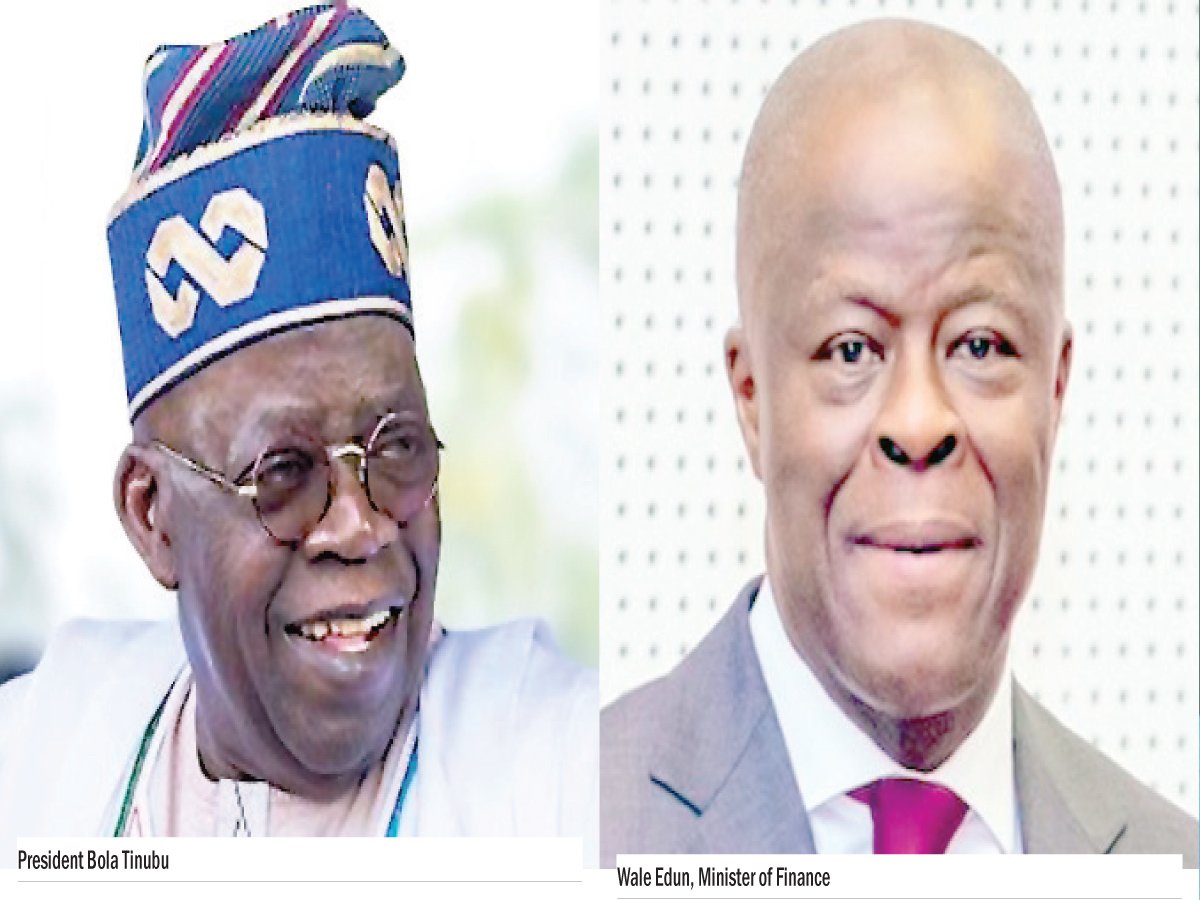
PRESIDENT Bola Tinubu, no doubt, made history last week when he appended his signature to the new tax bill, and signed the tax document that would begin to regulate the nation’s tax processes and procedures as from January 1, 2026, into law.
Expressing the delight of his committee for seeing the tax bill through, the Chairman of the Presidential Committee on Fiscal Policy and Tax Reforms, Mr. Taiwo Oyedele, explained that the focus of the law is people-centric, efficiency, growth and competitiveness.
He described the president’s decision to append his signature to the document as a demonstration of his political will.
Oyedele assured that when fully functional, about one-third of workers, both in private and public sectors will be exempted from Personal Income Tax.
He also explained that essential consumptions, such as food, education and healthcare will no longer attract Value Added Tax.
“What this simply means is that there will be more money in the pockets of Nigerians, and we expect prices of items in these categories mentioned to come down,” he stated.
Interestingly, an economist, Dr Paul Alaje, also shares in Oyedele’s sentiments.
Describing the tax law as a job well done, the Chief Economist and Partner, SPM Professionals, agreed with Oyedele that the reform is people-centric, efficiency-driven and growth-focused.
He expressed the delight that the document contains several inputs of stakeholders, thereby addressing their fears and concerns.
“Most Nigerians were allowed to put in their opinions. The good thing is that some of the things that we advocated for were fully reflected in this new Act,” he stated.
Breaking the new law down, Alaje noted that with the new law, the extremely poor have been exempted from taxes, especially those whose income falls below N800,000 per year.
“Under Personal Income Tax, household earnings, less than N250,000, will also be exempted, while we have also noticed that small businesses which is less than N25 million have also been exempted from taxes. The middle class will also have some level of relief, while it is the extremely rich that will now pay more,” he stated.
Alaje also noted that one of the highlights of the new law is the removal of some of the draconian laws of the colonial masters which had been in the tax book for a long time.
He commended the Oyedele-led committee for hearkening to the voice of the people by shelving the idea of putting 12.5% VAT in the document, adding that including such would have worsened the level of inflation in the country, especially at a time the economy is still having some inflation concerns at over 23 percent.
Alaje also throws his weight behind the January 1, 2026 date for the commencement of the implementation of the new tax regime, adding that an immediate commencement of its implementation could have put governments at the sub-national under severe stress.
“Commencing implementation immediately will put many state and local governments under intense pressure, because of lack of readiness. The old FIRS (Federal Inland Revenue Service) which is now the Nigerian Revenue Service (NRS), will need time to work with respective sub-nationals with respect to how to make this happen. Interestingly , this new tax bill recognised the place of state and local governments, and the part they will be playing in our fiscal life,” he stated.
Also commenting on the new tax law, a tax expert, Yomi Olugbenro, believed the new tax law takes care of every area of complaint that Tax payer and business people have had with the old tax document.
Some of these, the Tax Leader at Deloitte West Africa, identified as: fragmented taxes, tax laws in different legislations, different amendments, and different regulations.
All those, he said, had made it difficult for individuals and investors to know what exactly they needed to pay, at what point, and the agency such was supposed to be paid to.
He, therefore, sees the bill as a huge relief to businesses, since it is now possible for a businessman to go to the Nigerian Tax Act and ascertain issues relating to tax administration and payments in the country.
“With what we have now, from a business perspective, the certainty and the consolidation that the harmonization will bring is a huge relief to businesses.
“It means you can go to the Nigerian Tax Act and know everything you need to know as a taxpayer. This is very important to a businessman, an investor, whether local or international.
“The elimination of the multiplicity of agencies that we now consolidated in Nigeria Revenue Service is also a huge relief. Now taxpayers know the authority to remit taxes to,” he added.
READ ALSO: Tinubu’s tax reform laws major win for citizens — Women Affairs Minister